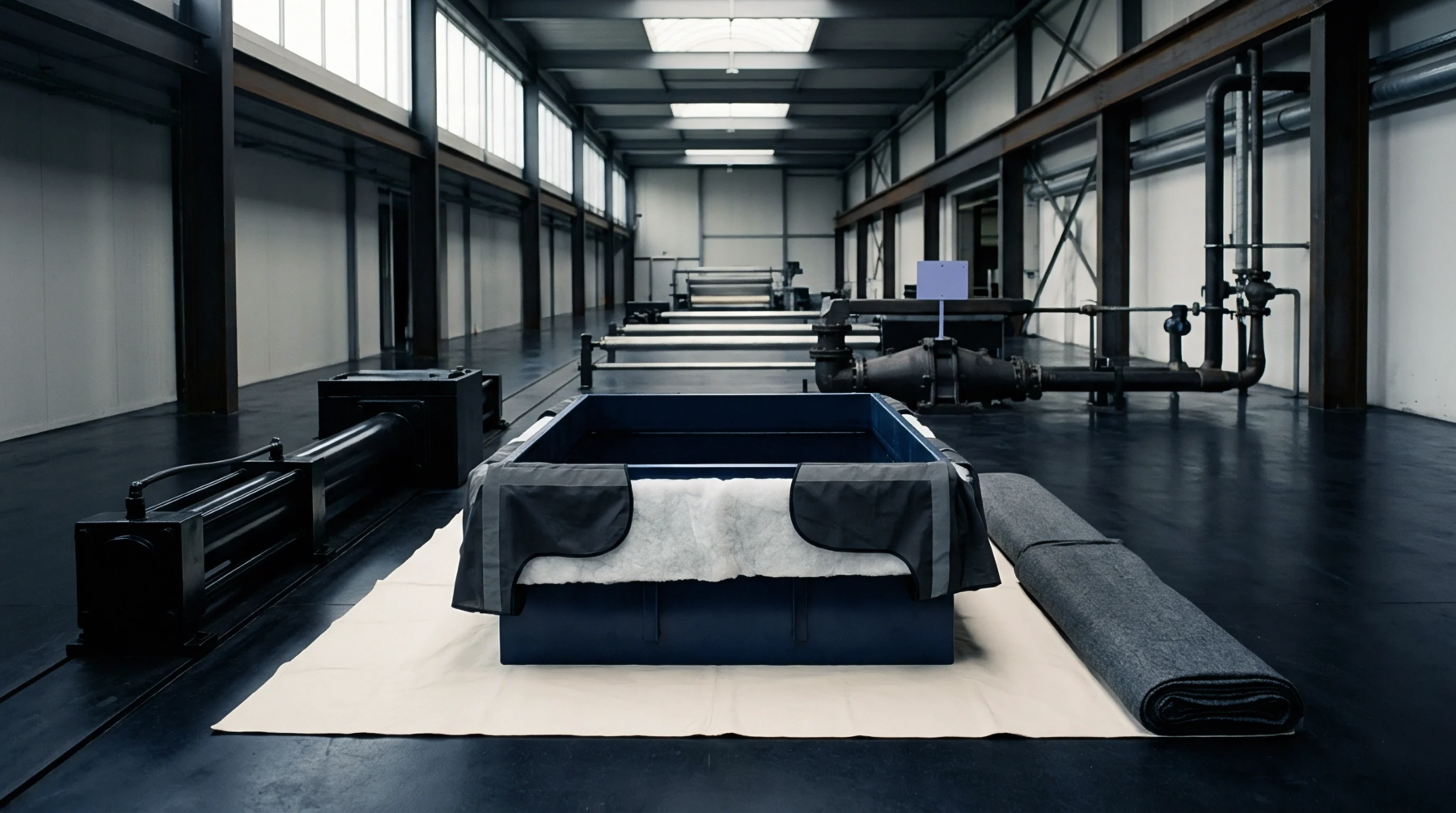
Polymer Crosslink Degradation in Cellulosic Fabric Wet Processing
Polymer crosslinks in cellulosic fabric wet processing degrade via acid-catalyzed glycosidic cleavage during high-temp baking and wet post-reprocessing cycles.
Polymer crosslinks in cellulosic fabric wet processing degrade via acid-catalyzed glycosidic cleavage during high-temp baking and wet post-reprocessing cycles.

Dense duck dyeing demands progressive salt dosing to suppress surface strike, allowing complete cross-sectional penetration before alkali fixation.
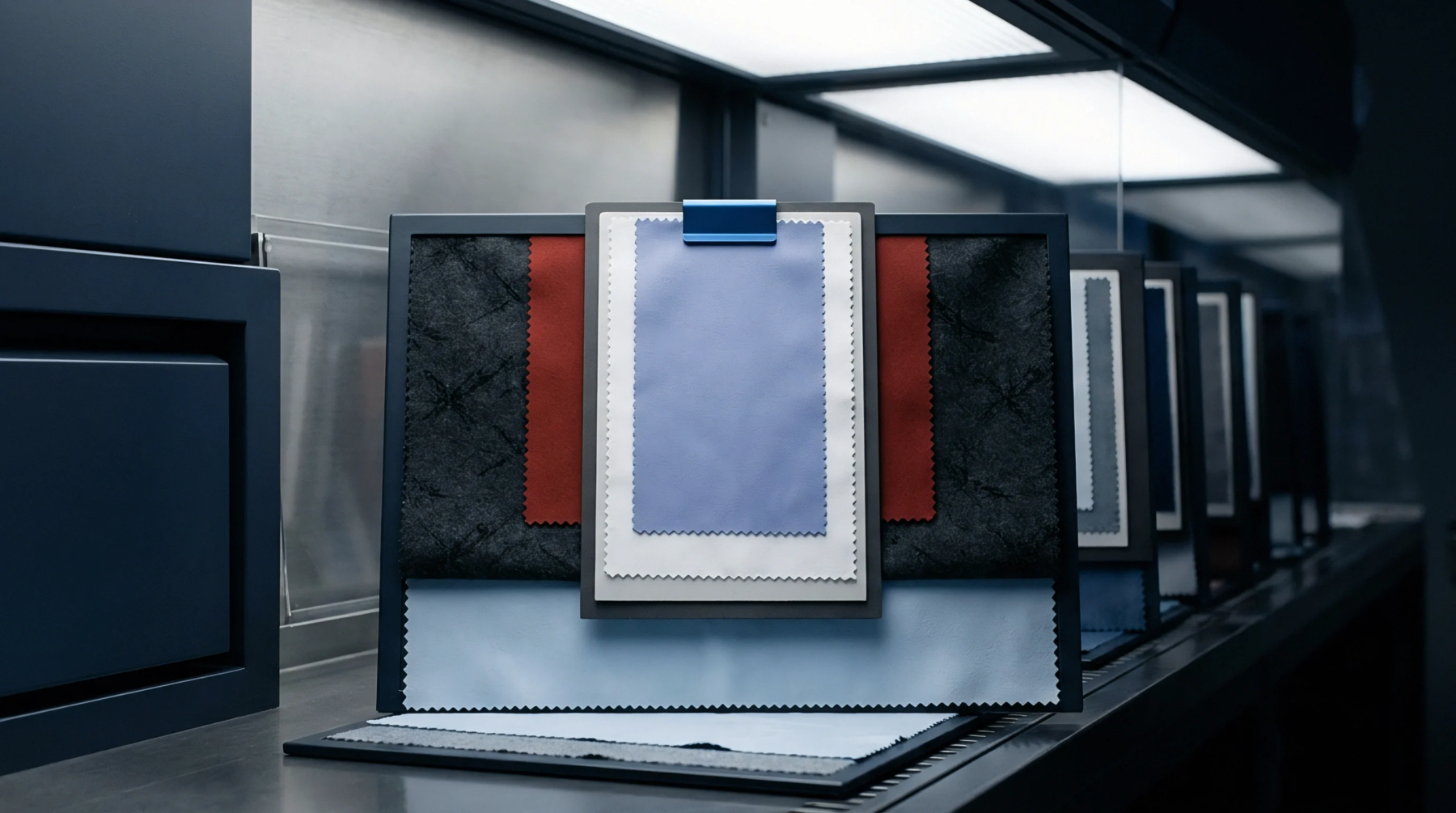
Mid-season PFAS spec changes require re-engineering fabric density, adjusting curing parameters, and holding lot-traceable total fluorine CIC test evidence.
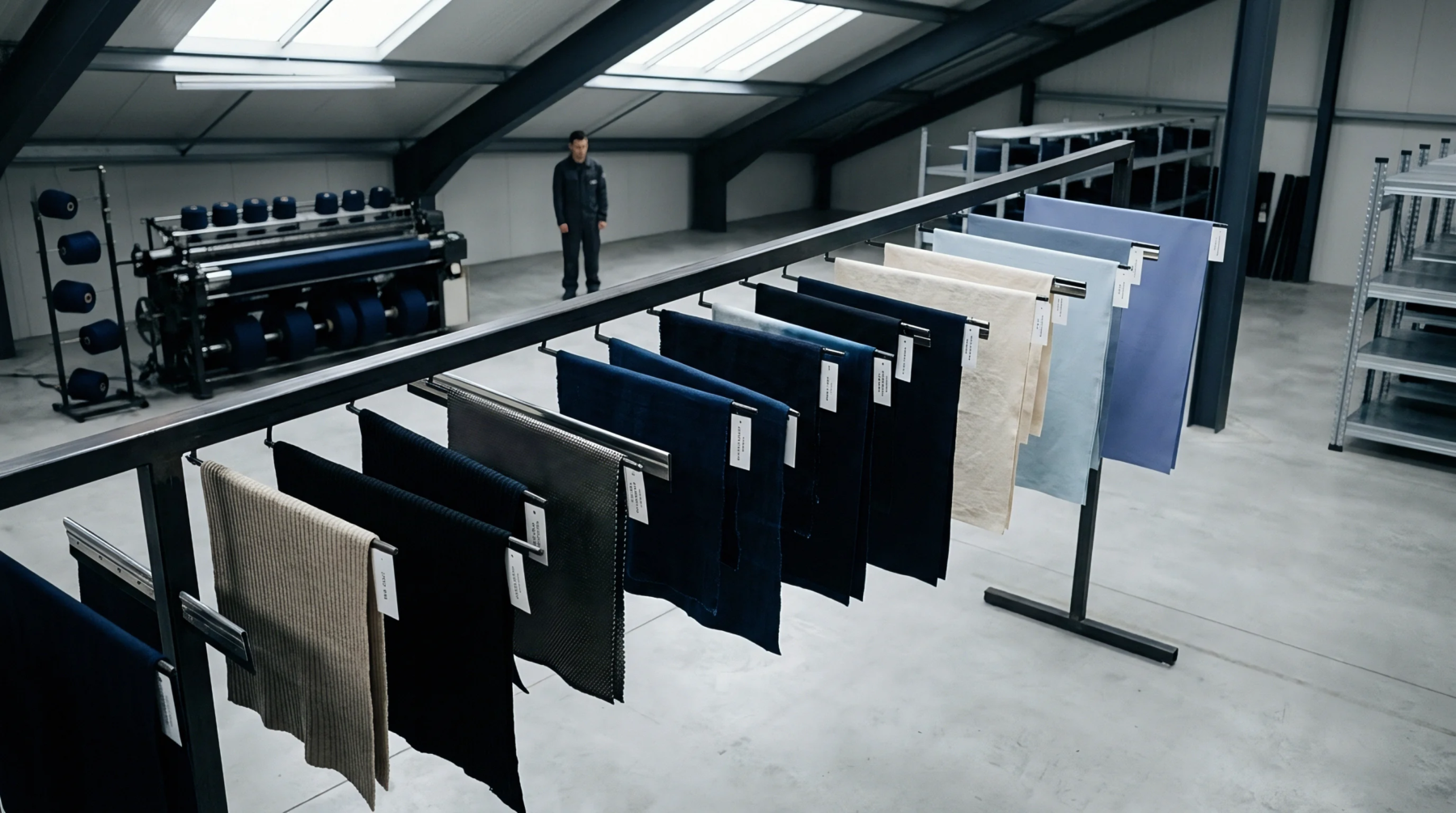
Single jersey curl stems from unbalanced yarn torque and asymmetrical loop tension; durable flat performance demands structural yarn balancing rather than temporary resin finishes.
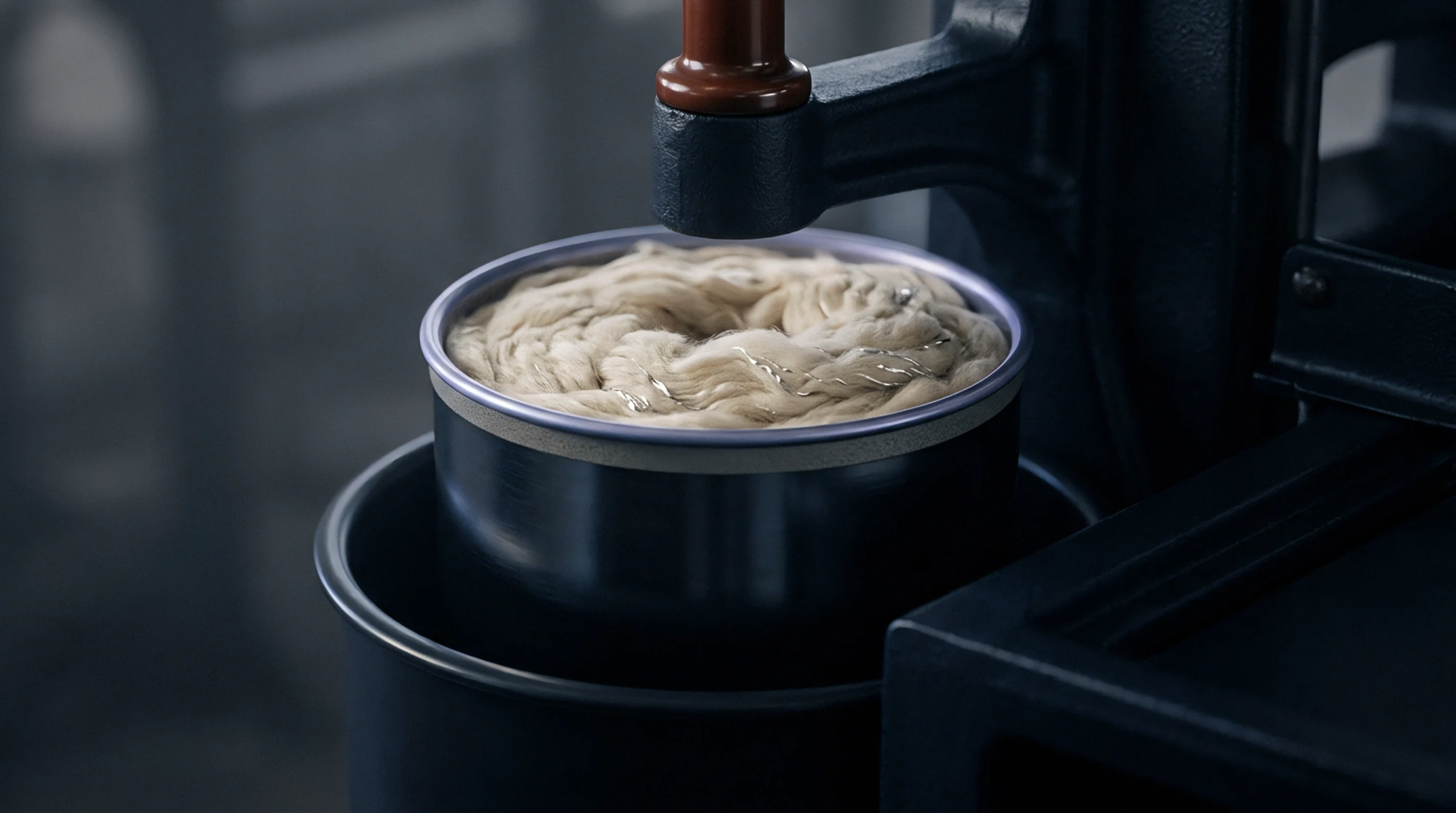
Direct linear density determination in staple yarns requires standard atmospheric conditioning, reel tension calibration, and commercial regain adjustments to verify contractual Tex accuracy.
Expertise is a utility, not a secret. sentiention™ publishes its working knowledge as open reference: intelligence layer covering the materials it sources, the markets it enters, and the reference that serves both.