Fibre Equilibrium
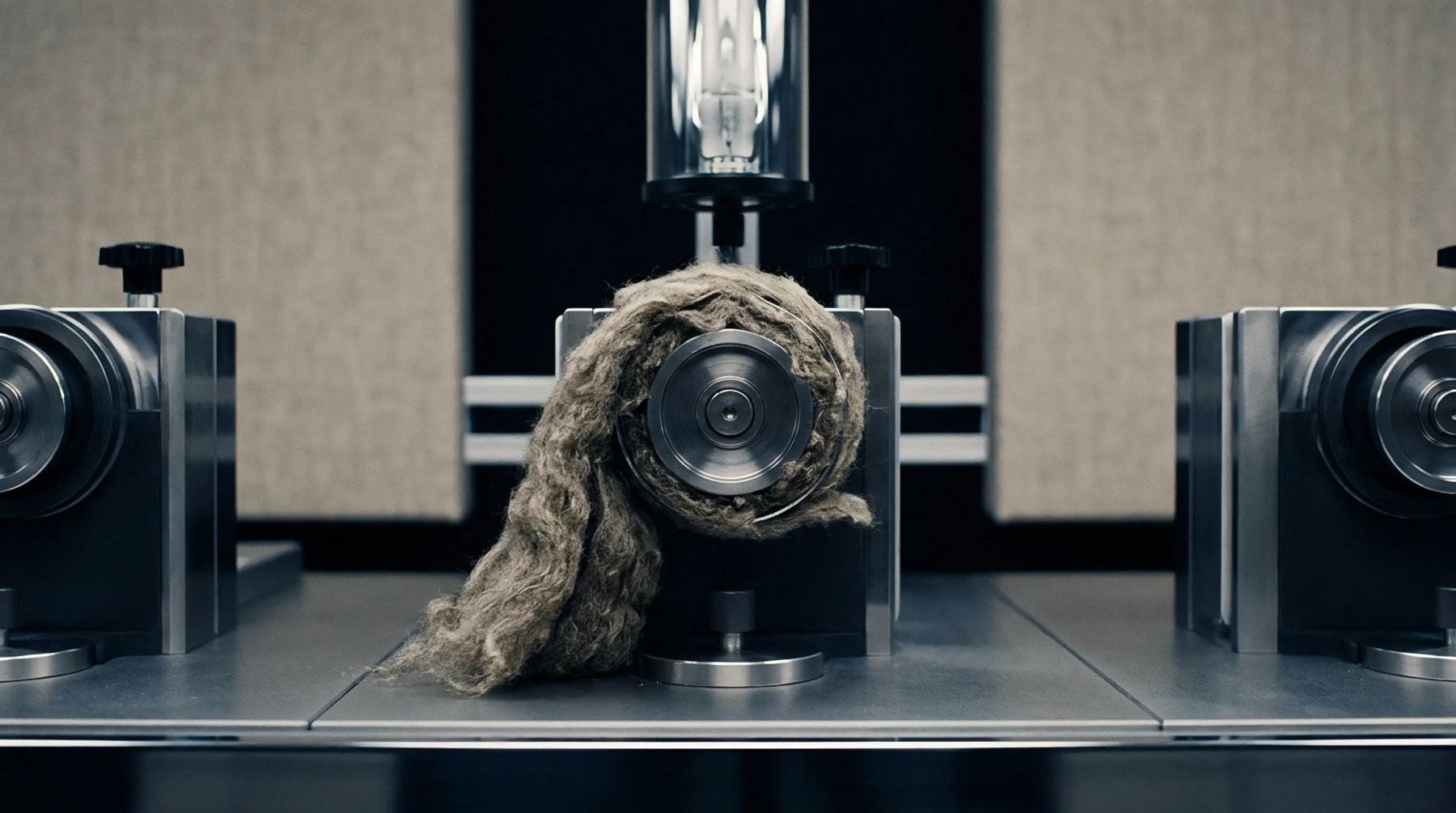
Mass percentage calculation for atmospheric water absorption represents a baseline calculation for natural filaments held under standard atmospheric conditions. Commercial trading relies upon moisture regain to price raw cotton and wool accurately prior to spinning operations. Hydrophilic polymer chains attract water molecules from surrounding air until vapour pressure balances the internal chemical structure of the material.
Excess ambient humidity shifts this balance upward, adding weight without increasing dry substance. Buyers purchasing organic staples demand strict adherence to certified bone dry weight standards established by international testing houses. Commercial transactions convert wet delivery weights into clean dry masses using standardized multipliers for every specific fibre category.
Commercial mills adjust invoicing values to remove water weight before processing raw bales on carding machinery. Laboratories measure bone dry weights by placing conditioned samples inside forced air ovens until mass stabilization occurs under strict thermal protocols. Unprocessed plant and animal harvests absorb ambient humidity differently depending on surface wax removal and natural pectin content.
Pure cellulose attracts water molecules into amorphous regions while crystalline zones resist molecular penetration entirely. Chemical processing alters these internal pathways during scouring and bleaching treatments.
Commercial Checkpoint
Conditioning routines occur inside temperature regulated testing laboratories before yarn spinning batches receive commercial clearance. Technicians maintain strict environmental controls during standard atmospheric testing protocols to prevent atmospheric fluctuations from skewing dry weight calculations. Commercial specifications mandate bone dry mass determination for every incoming lot of raw wool or raw cotton.
Spinning mills verify conditioned weights against contracted delivery limits to prevent financial losses from excessive water mass. Certified testing houses issue official certificates detailing exact moisture regain percentages for commercial billing verification. Contract disputes over excessive water weight vanish when independent laboratories test conditioned samples under standard atmospheric testing protocols.
Raw material pricing models convert wet delivery masses into clean dry totals using established industry multipliers. Production planning depends upon accurate mass calculations because water content alters yarn linear density measurements significantly. Processing machinery operates efficiently when raw material humidity matches workshop conditions.
Hygroscopic Mechanics
Hydrophilic polymer chains attract water molecules from surrounding air until vapour pressure balances the internal chemical structure of the material. Hydrogen bonding sites along cellulose and protein chains capture atmospheric moisture and hold molecules within amorphous regions. Ambient humidity shifts this balance upward, adding weight without increasing dry substance.
Crystallinity within the polymer matrix limits water absorption by restricting molecular entryways. Scouring removes natural waxes, increasing absorption capacity during subsequent wet processing stages. Temperature rises reduce absorption capacity, driving bound water molecules back into the surrounding atmosphere.
Standard testing atmospheres maintain constant temperature and relative humidity to ensure repeatable laboratory results. Calibration checks verify balance accuracy before technicians weigh conditioned specimens.
Mass Variance
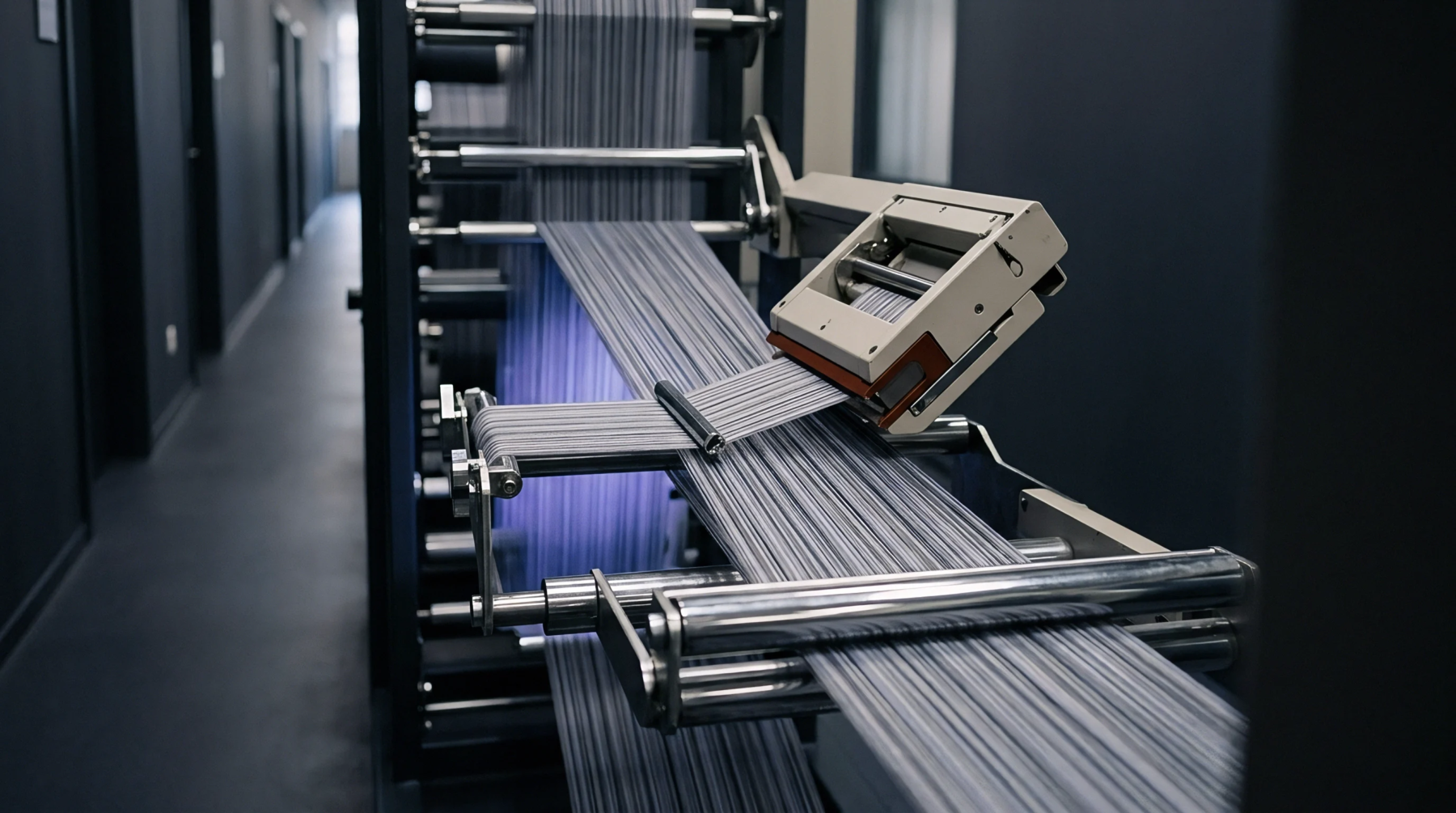
Weight fluctuations alter downstream yarn linear density values and disrupt tension settings on ring spinning frames. Weaving mills experience broken warp ends when loom room humidity drops below established operational limits. Fabric sizing recipes require precise dry mass inputs to achieve target pick counts per inch accurately.
Dyehouse laboratories adjust chemical concentrations to compensate for residual water mass in incoming greige goods. Finished garments achieve dimensional stability only after finishing plants control final drying temperatures. Production managers monitor ambient humidity constantly to prevent static electricity build up during carding and drawing operations.
Quality auditors inspect finished lots against strict commercial tolerances before authorizing shipment to retail distribution centres. Accurate mass verification protects commercial margins across every manufacturing stage.