
Standard Laboratory Procedures for Textile Moisture Determination
Textile moisture determination requires gravimetric oven drying at 105°C or Karl Fischer titration to calculate commercial weight and prevent invoice mass errors.
Textile moisture determination requires gravimetric oven drying at 105°C or Karl Fischer titration to calculate commercial weight and prevent invoice mass errors.

Gravimetric oven drying determines accurate polymeric fibre regain by measuring dry mass after removing volatile moisture at specified temperatures.

Coupled aerodynamic and tribological modeling prevents binary staple segregation during pneumatic convey, securing blend accuracy and avoiding tariff reclassification.
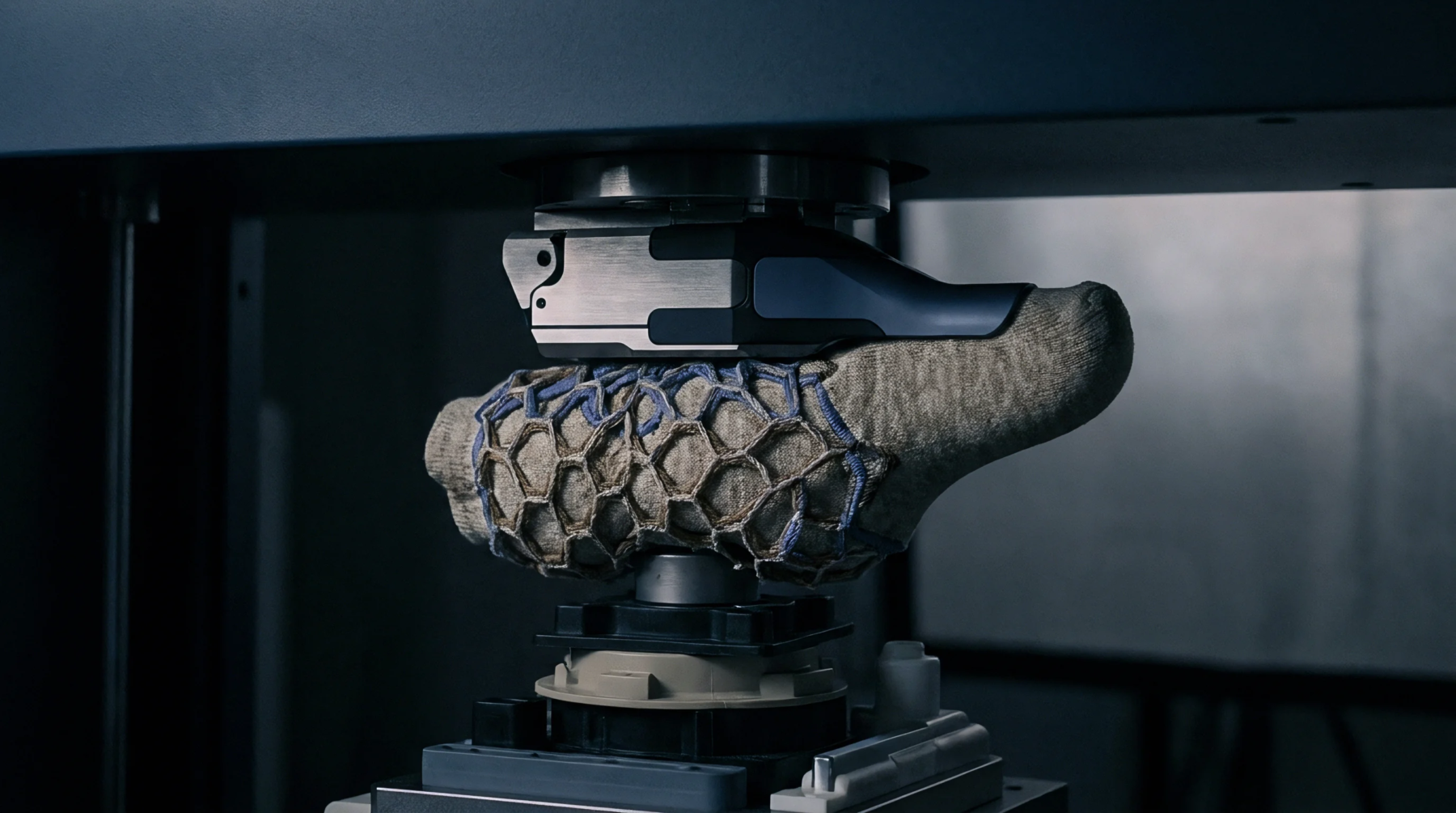
Solvent degreasing of oriented yarns demands strict bath temperature control below depressed glass transition thresholds to prevent chain relaxation and tenacity decay.

Unextracted coning oils add false mass to insoluble fiber fractions during quantitative chemical dissolution, distorting declared viscose blend percentages.

Sustaining a 1.8 percent ester lubricant film on elastane cores prevents elastomeric rupture when jet nozzle pressure exceeds 2.2 bar.

Reconciling yarn extrusion transaction certificates requires adjusting gross output weight for spin finish oils and moisture against real extruder purge loss.
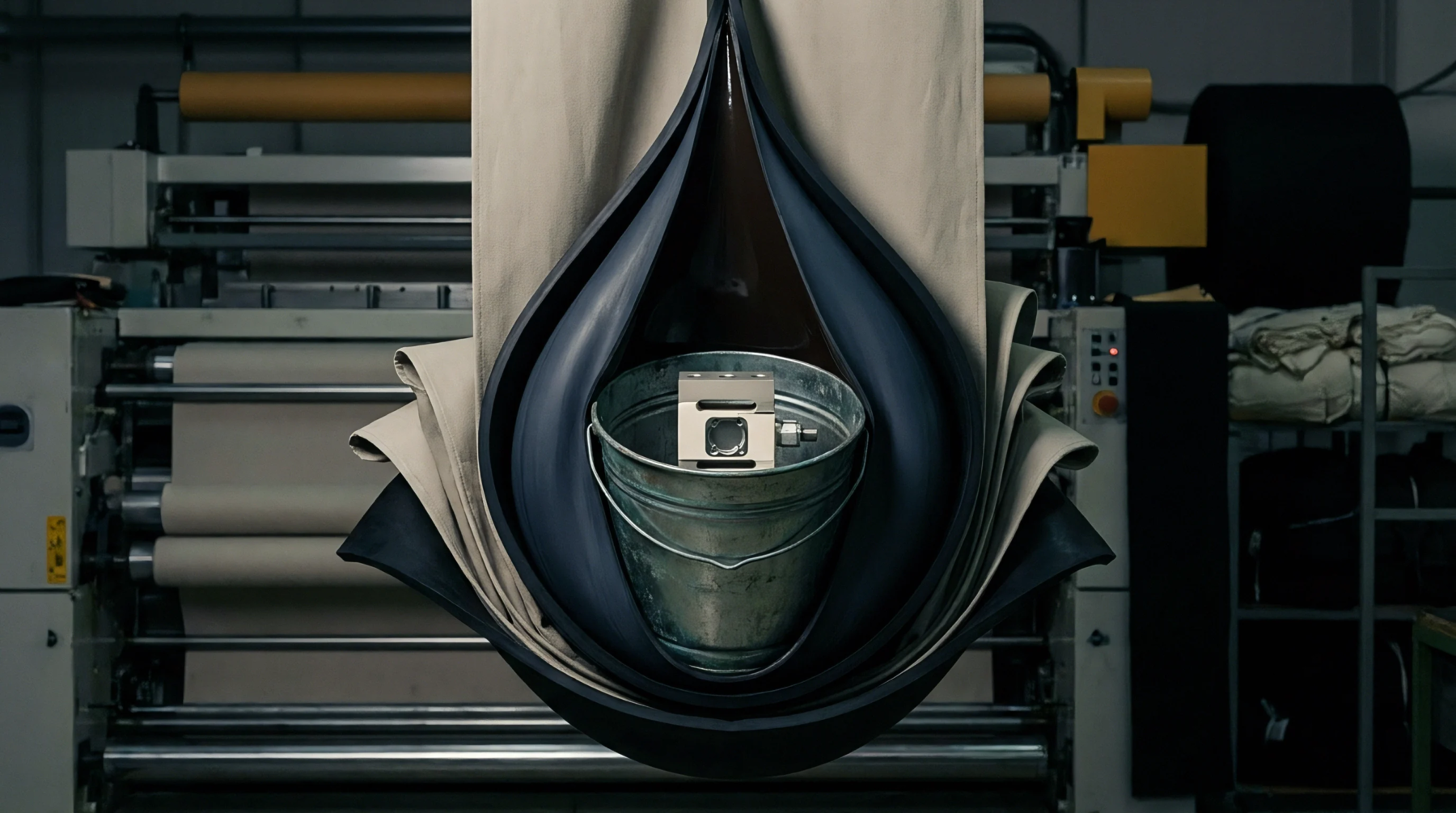
Verify coating weight stability and crosslinker kinetics to ensure peel strength exceeds ten Newtons per fifty millimetres after repeated washing cycles.
Expertise is a utility, not a secret. sentiention™ publishes its working knowledge as open reference: intelligence layer covering the materials it sources, the markets it enters, and the reference that serves both.