Standard Framework
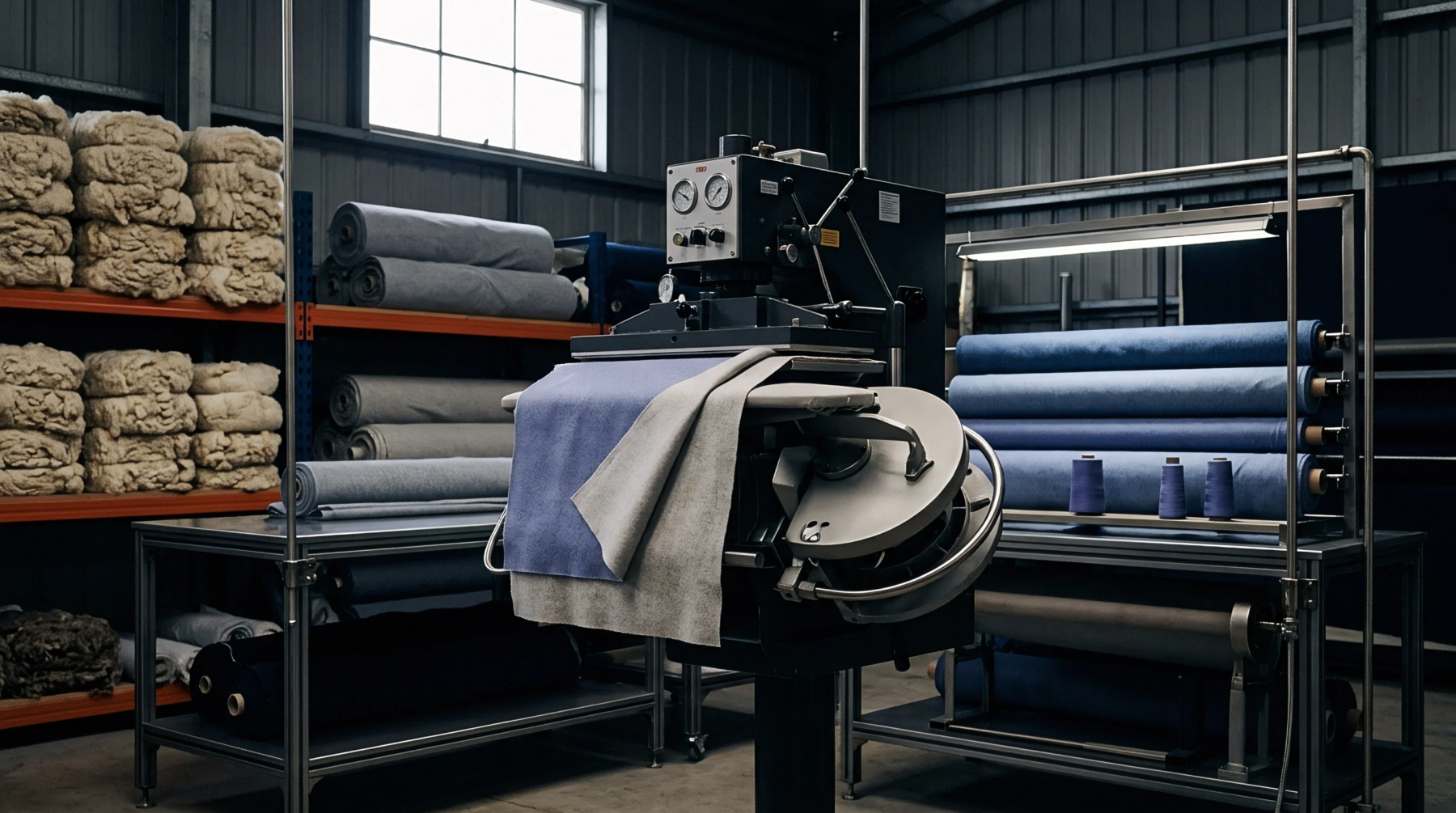
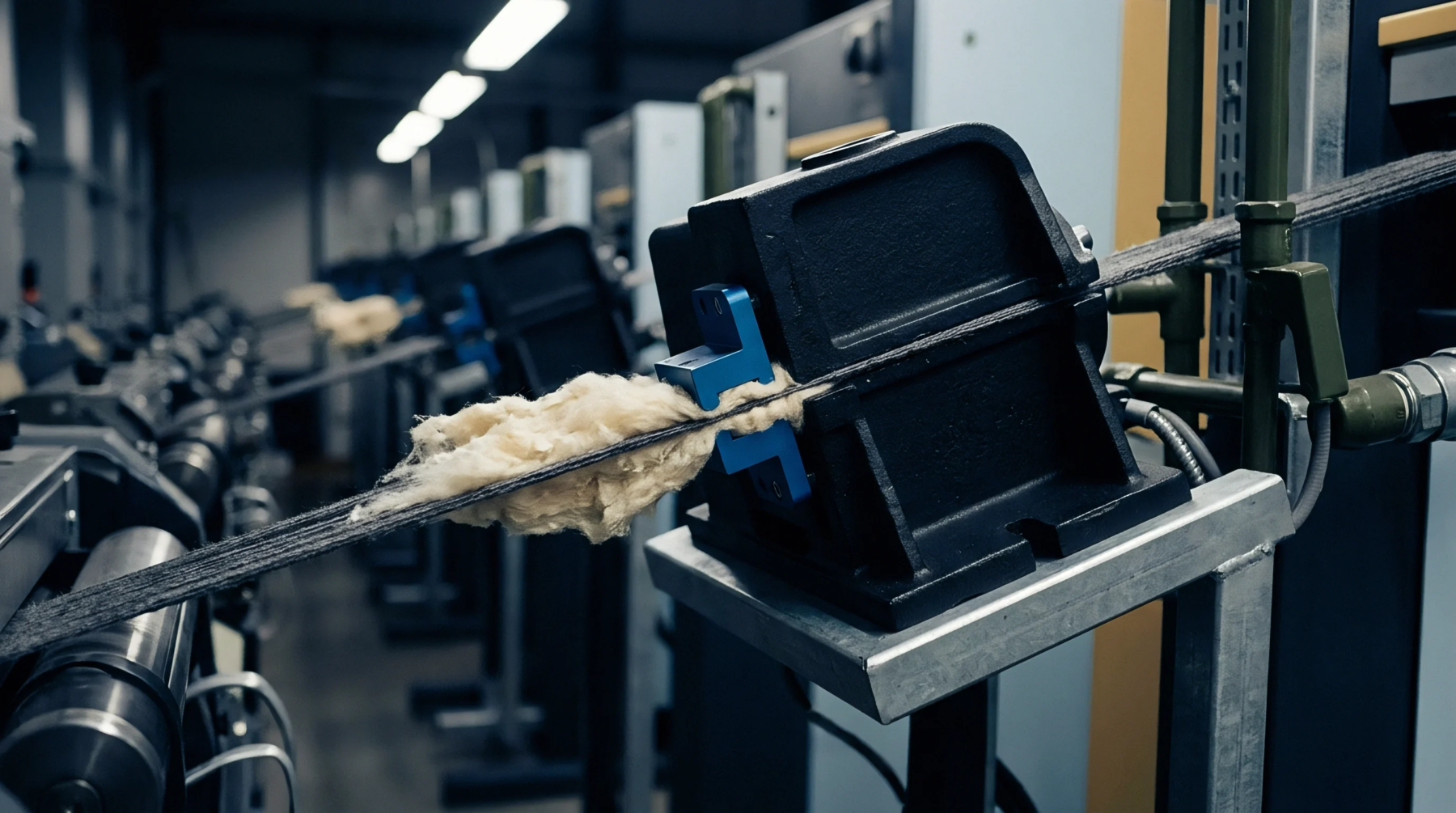
Standardized laboratory test procedures quantify the stretch, growth, and recovery characteristics of woven fabrics produced from stretch yarns. Under astm d3107, specified static loads apply to fabric strips to measure maximum extension under load alongside unrecovered growth after tension release. The method applies strictly to woven textiles containing elastomeric or textured yarns, excluding knitted structures governed by separate standards.
Tension Load
Hanging weight mechanisms deliver constant tension across prepared fabric specimens to isolate structural elongation. During testing under astm d3107, static loads equal to four pounds or designated buyer values deform the specimen for specified intervals prior to manual measurement. Measuring rules record extension under tension, immediate recovery upon weight removal, and permanent growth following a three-hour relaxation period in standard atmosphere.
Precise bench mark markings drawn on the fabric ensure accurate distance calculations without edge fraying interference.
Hysteresis Loss
Incomplete elastic recovery leaves residual elongation that alters finished garment shape. Repeated extension cycles under astm d3107 expose elastomeric core decay within core-spun yarns.
Allowance Limit
Commercial quality contracts establish clear thresholds for permissible fabric growth and minimum stretch percentage. Buyers reference astm d3107 data in technical specification sheets to approve mill production lots before apparel cutting begins. Unacceptable test failures prompt mill re-finishing or lot rejection at the factory gate.