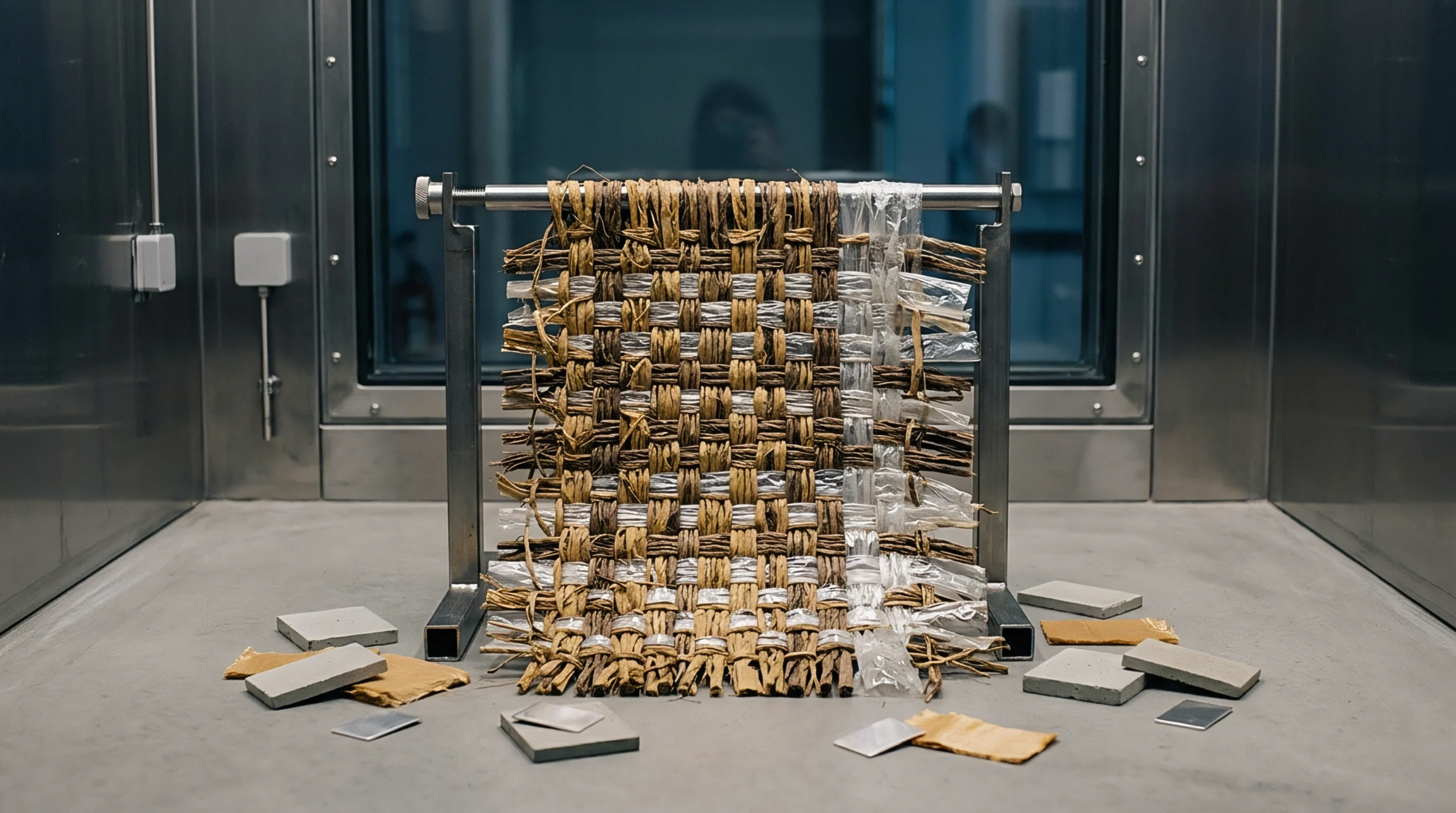
Resolving PFAS Total Organic Fluorine Discrepancies in Recycled Synthetic Fabrics
Resolving total organic fluorine discrepancies requires washing inorganic fluorides and isolating organofluorine dyes before running combustion chromatography.
Resolving total organic fluorine discrepancies requires washing inorganic fluorides and isolating organofluorine dyes before running combustion chromatography.
Global textile clearance mandates matching chemical laboratory extraction limits to batch-specific transaction certificates before containers arrive at border entry.
Non-fluorinated DWR wet processing requires bath pH 4.0-5.5, WPU control, and core cure temperatures of 150-170°C with crosslinkers to pass 10 ppm fluorine limits.

Fluorochemical compliance disputes demand standardized extraction solvents, split-sample protocols, and pre-allocated retest liabilities in purchase orders.
Resolving transpacific fluorinated residue disputes requires combining total organic fluorine screening with targeted mass spectrometry pre-washed tests.
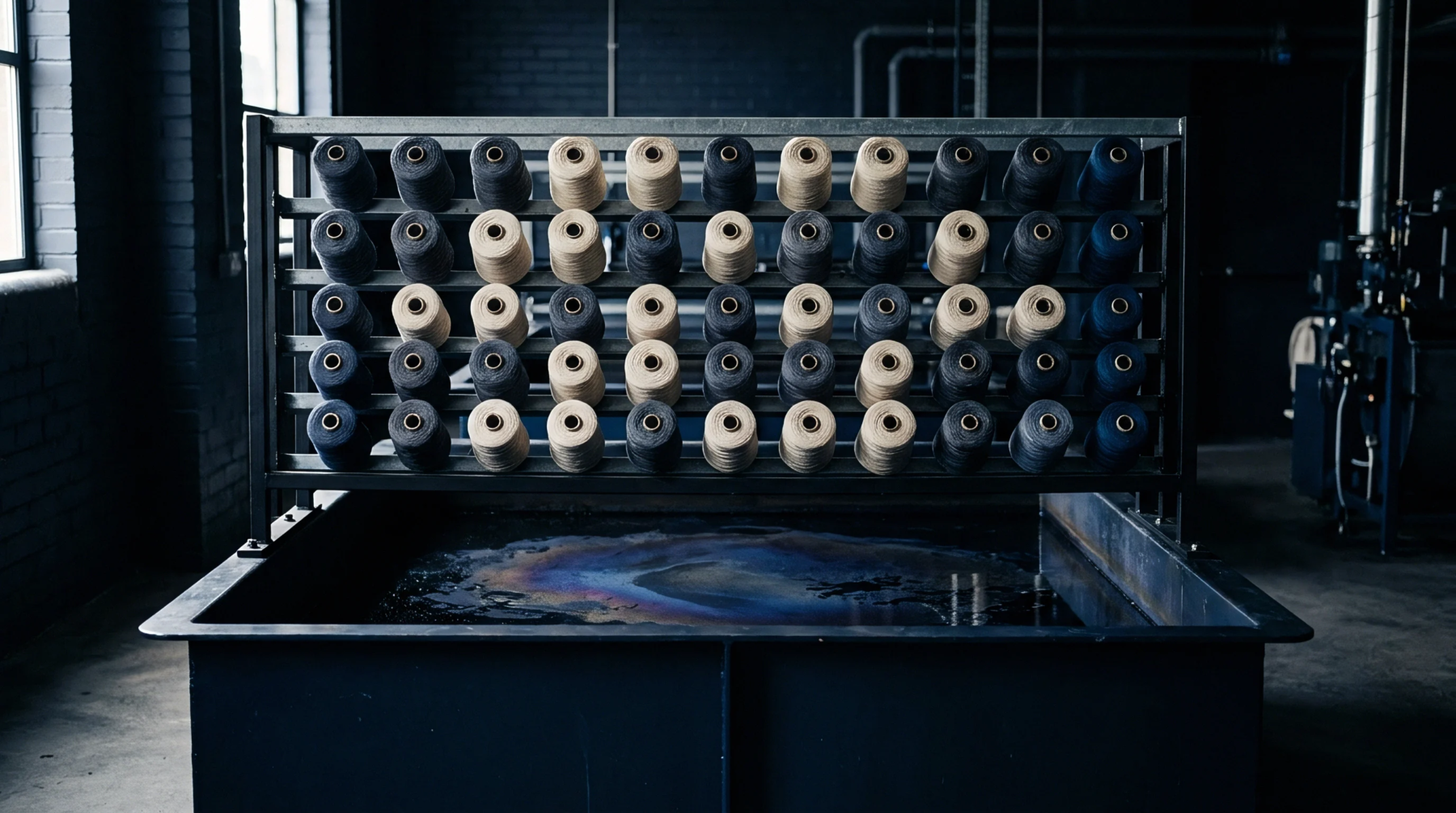
Assembling valid textile customs clearance files requires aligning invoice line weights with transaction certificate sequences and accredited laboratory test reports.
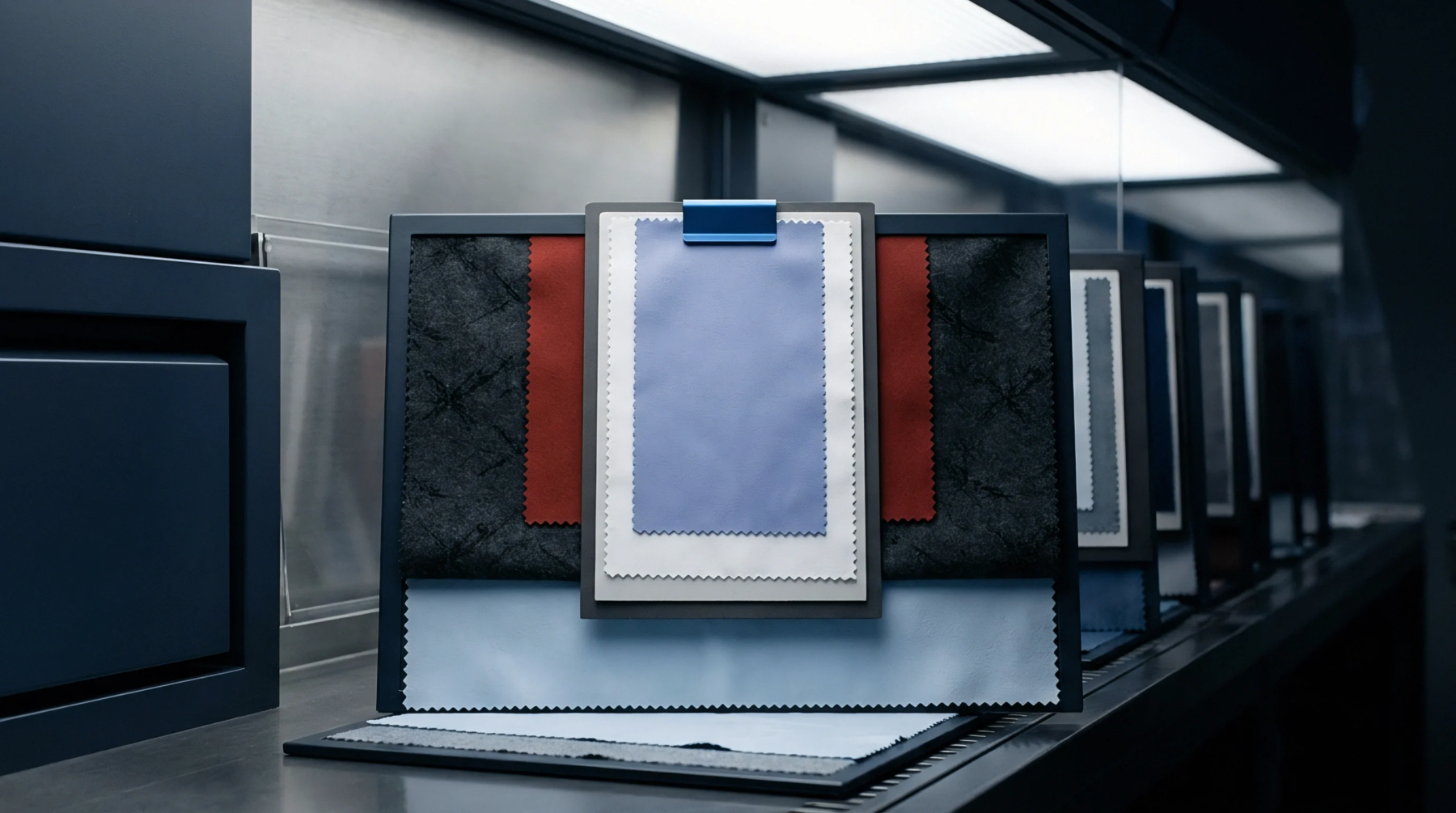
Mid-season PFAS spec changes require re-engineering fabric density, adjusting curing parameters, and holding lot-traceable total fluorine CIC test evidence.
Expertise is a utility, not a secret. sentiention™ publishes its working knowledge as open reference: intelligence layer covering the materials it sources, the markets it enters, and the reference that serves both.