
Establishing Chemical Compliance Verification Frameworks for Recurrent Fabric Orders
Recurrent fabric compliance demands batch-level analytical testing, scope-matched transaction certificates, and mill auxiliary chemical audit controls.
Recurrent fabric compliance demands batch-level analytical testing, scope-matched transaction certificates, and mill auxiliary chemical audit controls.

Resolving total organic fluorine discrepancies requires washing inorganic fluorides and isolating organofluorine dyes before running combustion chromatography.

Validating transaction certificates demands digital QR verification, line-item invoice reconciliation, and mass-balance accounting prior to customs entry.

Global textile clearance mandates matching chemical laboratory extraction limits to batch-specific transaction certificates before containers arrive at border entry.
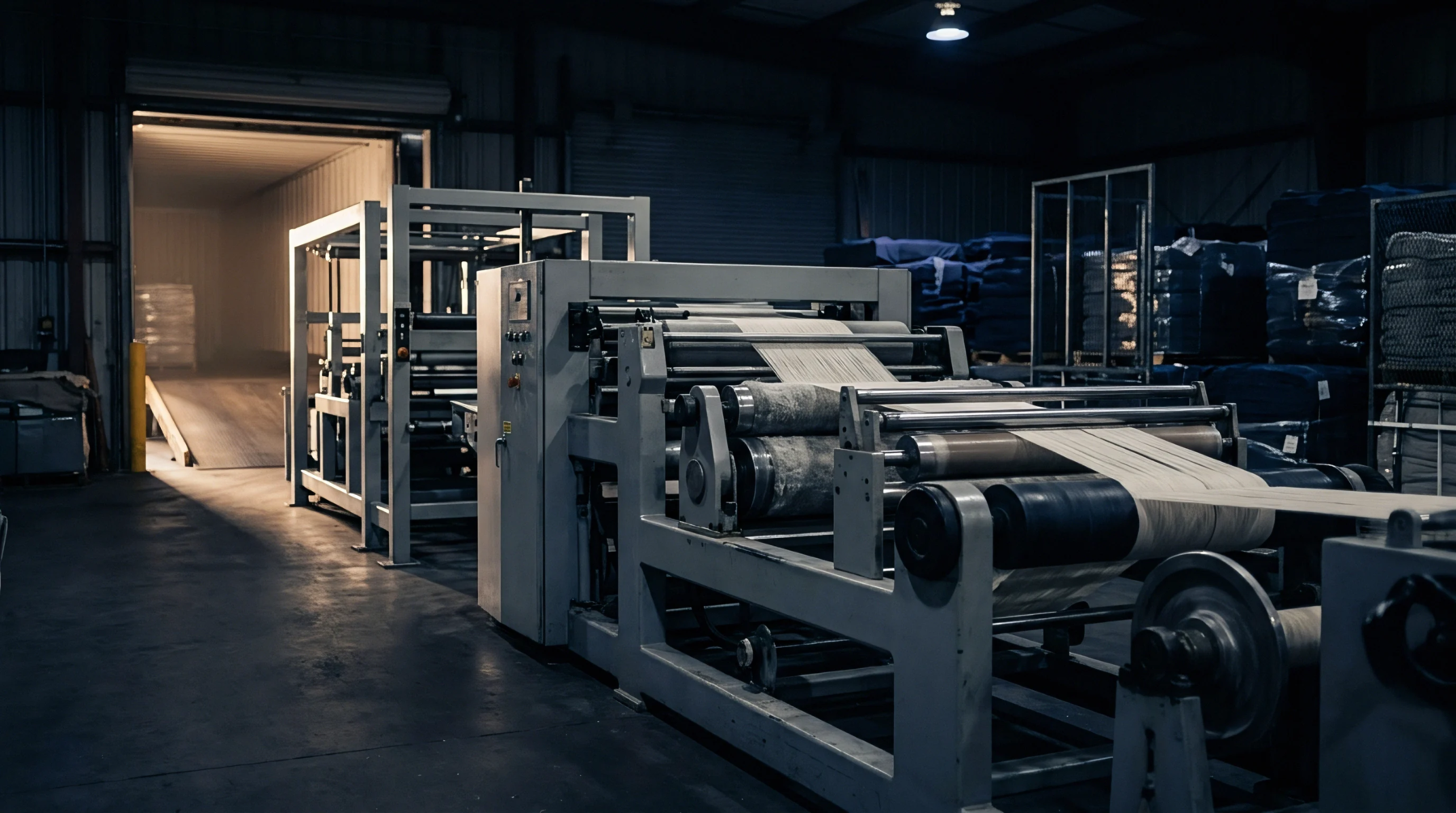
Subcontracted dyehouse failures create direct financial liabilities through unverified chemical additions, requiring strict retest protocols and PO cost allocation.

Uneven roller pressure and lateral thermal migration create severe chemical disparities across roll width, causing localized compliance failures.

Managing fluorinated chemical risk in recycled synthetics demands total fluorine screening, targeted LC-MS testing, and strict batch transaction certificate tracking.

Batch verification by combustion ion chromatography total organic fluorine screening prevents illegal PFAS shipments by detecting non-targeted fluoropolymers.

Structured tripartite deeds and letter of credit chemical release covenants transfer restricted substance liability directly to subcontracted wet processing mills.

Reconciling ocean freight chemical degradation against destination reporting limits requires Arrhenius kinetic aging models based on container temperature logs.

Rejections stemming from expired mill scopes require immediate date-matching, batch segregation, and rapid engagement with certifiers under grace-period policies.

Desorption of polar solvents from crosslinked polyurethane requires thermal energy above the network glass transition temperature to release hydrogen-bonded fraction.

Polyurethane fabric compliance demands EN 17131 solvent extraction GC-MS verification rather than headspace screening to capture entrapped aprotic solvents.

Thermal decomposition of polyurethane during headspace GC-MS generates false positive signals for regulated solvents including dimethylformamide.

Gas chromatography mass spectrometry with deuterated internal standards quantifies residual dimethylformamide in coated textiles down to 5 mg/kg.

Resolve matrix interference through solvent precipitation, isotope dilution, and single-roll testing when composite readings reach half the clearance limit.

A test report guarantees compliance only when the laboratory accreditation schedule lists the specific test method, analyte family, and exact substrate matrix.
High performance liquid chromatography quantifies polyamide cyclic monomer densities down to five parts per million following cryogenic milling and methanol reflux.

Retest variance allocation requires contractual uncertainty bands and automated cost-shifting mechanisms when secondary testing confirms chemical non-compliance.
Expertise is a utility, not a secret. sentiention™ publishes its working knowledge as open reference: intelligence layer covering the materials it sources, the markets it enters, and the reference that serves both.