
Resolving PFAS Total Organic Fluorine Discrepancies in Recycled Synthetic Fabrics
Resolving total organic fluorine discrepancies requires washing inorganic fluorides and isolating organofluorine dyes before running combustion chromatography.
Resolving total organic fluorine discrepancies requires washing inorganic fluorides and isolating organofluorine dyes before running combustion chromatography.

Global textile clearance mandates matching chemical laboratory extraction limits to batch-specific transaction certificates before containers arrive at border entry.

Managing fluorinated chemical risk in recycled synthetics demands total fluorine screening, targeted LC-MS testing, and strict batch transaction certificate tracking.

Batch verification by combustion ion chromatography total organic fluorine screening prevents illegal PFAS shipments by detecting non-targeted fluoropolymers.

Non-fluorinated DWR wet processing requires bath pH 4.0-5.5, WPU control, and core cure temperatures of 150-170°C with crosslinkers to pass 10 ppm fluorine limits.

Commercial laboratory default reporting limits frequently sit above regulatory thresholds, requiring buyers to specify lower analytical cutoffs in sourcing contracts.

Fluorochemical compliance disputes demand standardized extraction solvents, split-sample protocols, and pre-allocated retest liabilities in purchase orders.
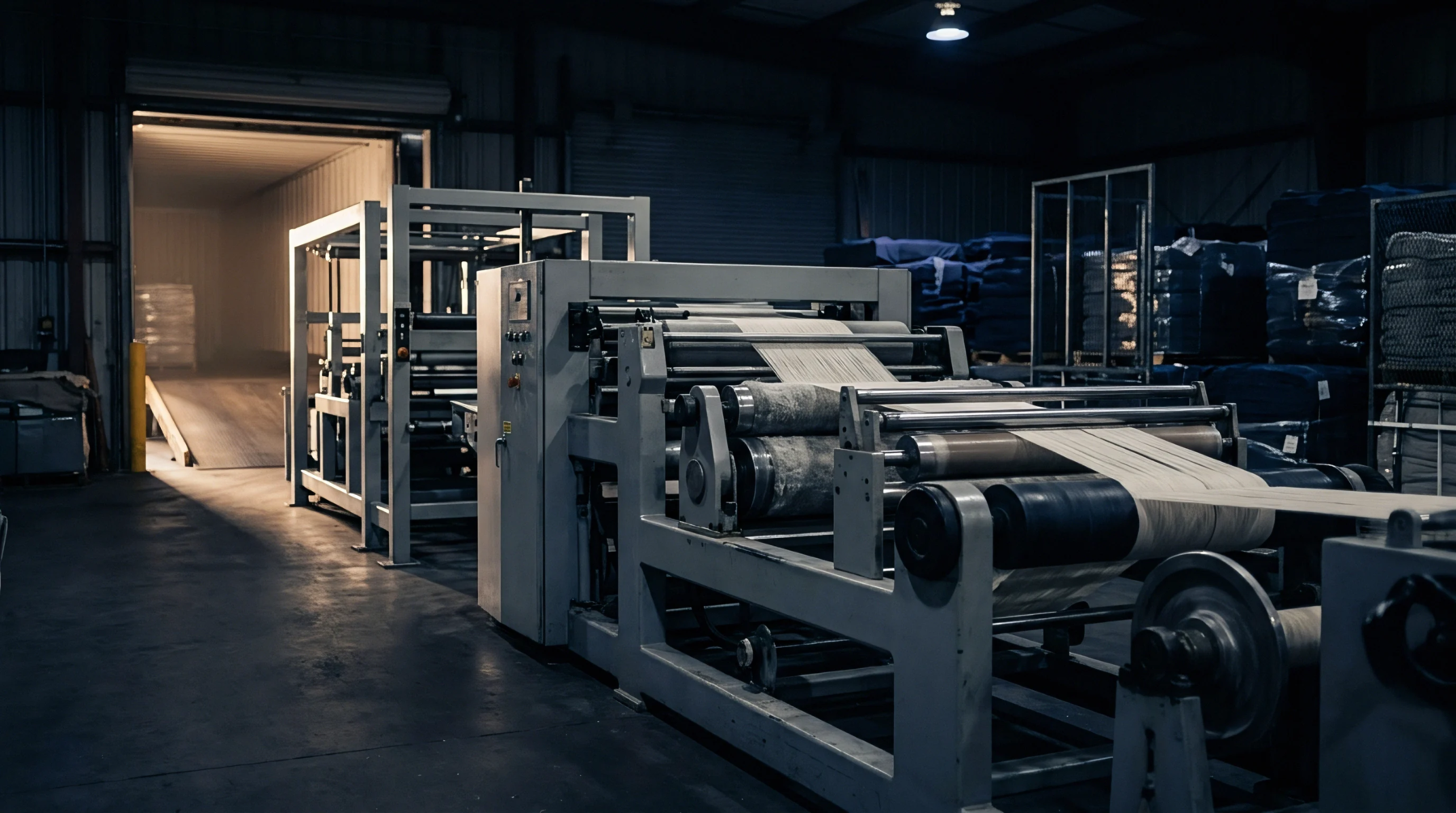
Enforcing PFAS bans at subcontracted wet processors requires tracking organofluorine partitioning in wastewater filter cake using total fluorine testing.

Resolving transpacific fluorinated residue disputes requires combining total organic fluorine screening with targeted mass spectrometry pre-washed tests.

Reduced verification screening matrices replace full quantitative panels on repeat orders with rapid indicator screening and adjusted composite pooling math.

Mid-season PFAS spec changes require re-engineering fabric density, adjusting curing parameters, and holding lot-traceable total fluorine CIC test evidence.

Repeat order verification relies on targeted chemical screening and transaction document cross-checking to confirm batch conformity against baseline approvals.

Harmonizing transpacific chemical retests requires matrix-matched solvent selection, standardized extraction temperatures, and agreed guardbanding decision rules.
Expertise is a utility, not a secret. sentiention™ publishes its working knowledge as open reference: intelligence layer covering the materials it sources, the markets it enters, and the reference that serves both.