
Dynamic Warp Density Shifts during Finishing and Commercial Acceptance Limits
Finishing overfeed and widthwise stenter tension dynamically shift finished warp ends per inch, defining final fabric mass and commercial acceptance thresholds.
Finishing overfeed and widthwise stenter tension dynamically shift finished warp ends per inch, defining final fabric mass and commercial acceptance thresholds.

Cover factor analysis requires direct conversion to Tex linear density and adjustment for fiber packing density before computing fractional surface area.
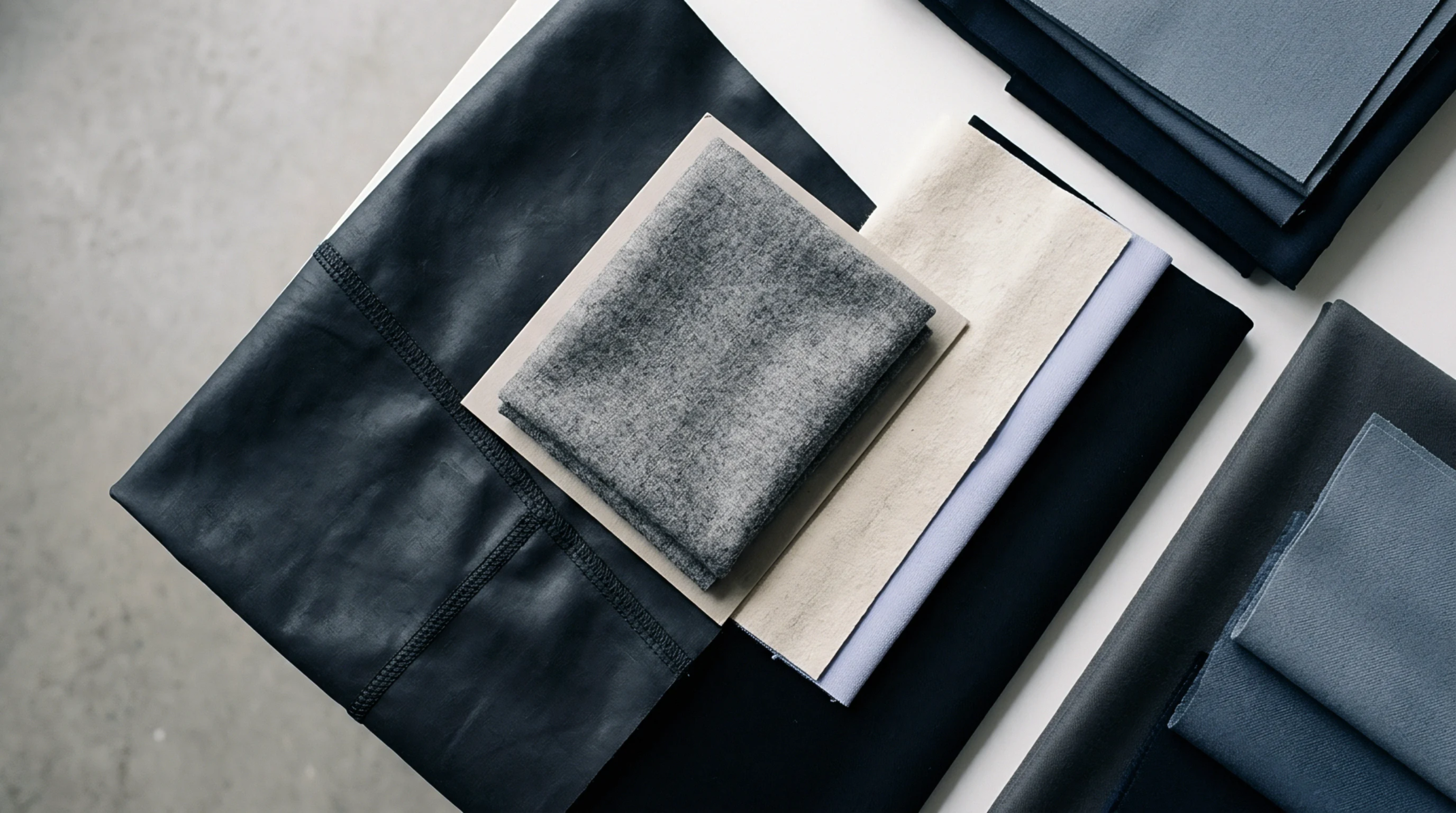
Warp cover factor quantifies yarn area coverage using thread density and yarn diameter equations to control fabric porosity, mechanical strength, and production speed.
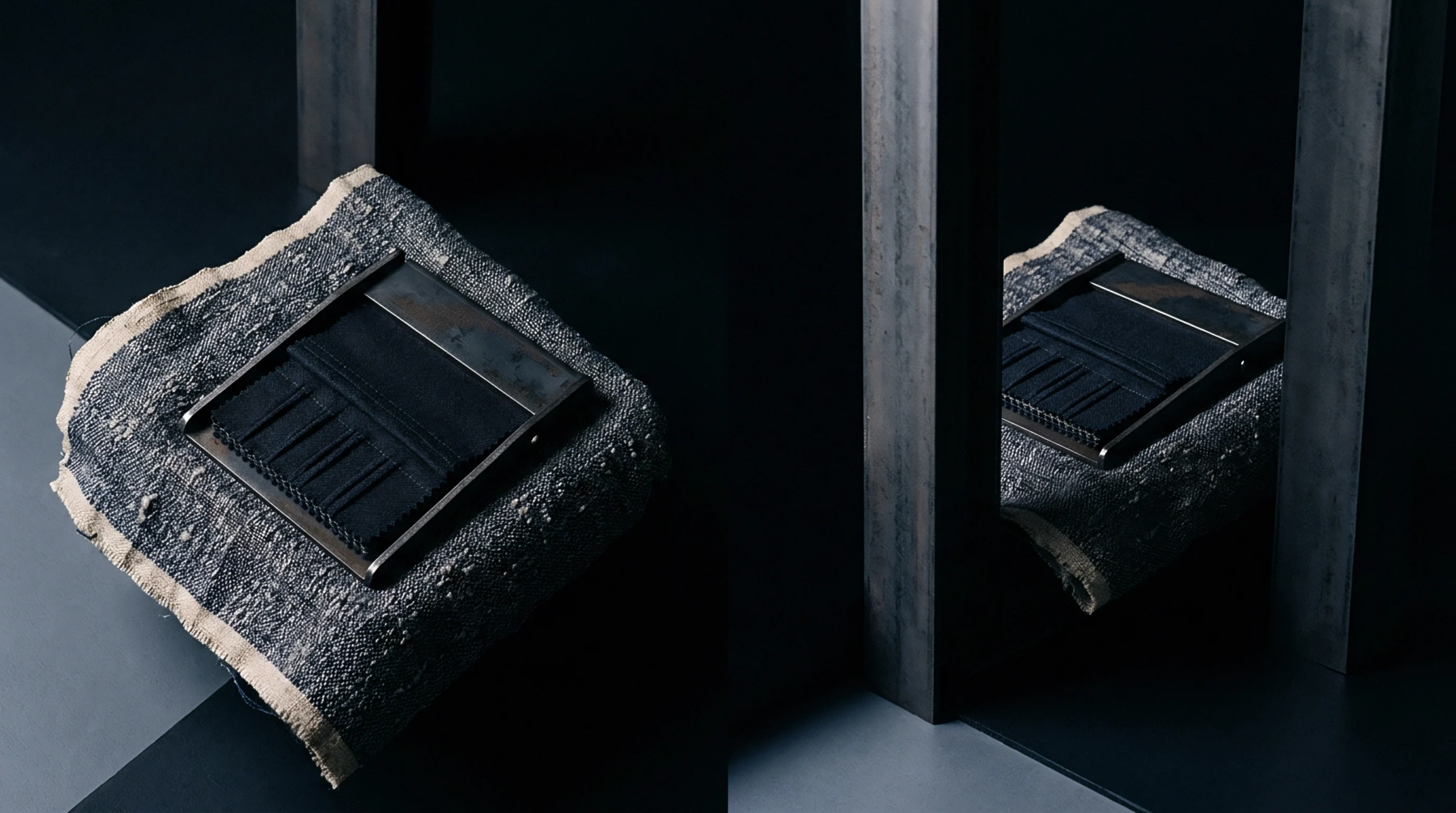
Verifying off-loom thread density after four hours of tension-free conditioning prevents bulk specification disputes and costly finished cloth rejections.
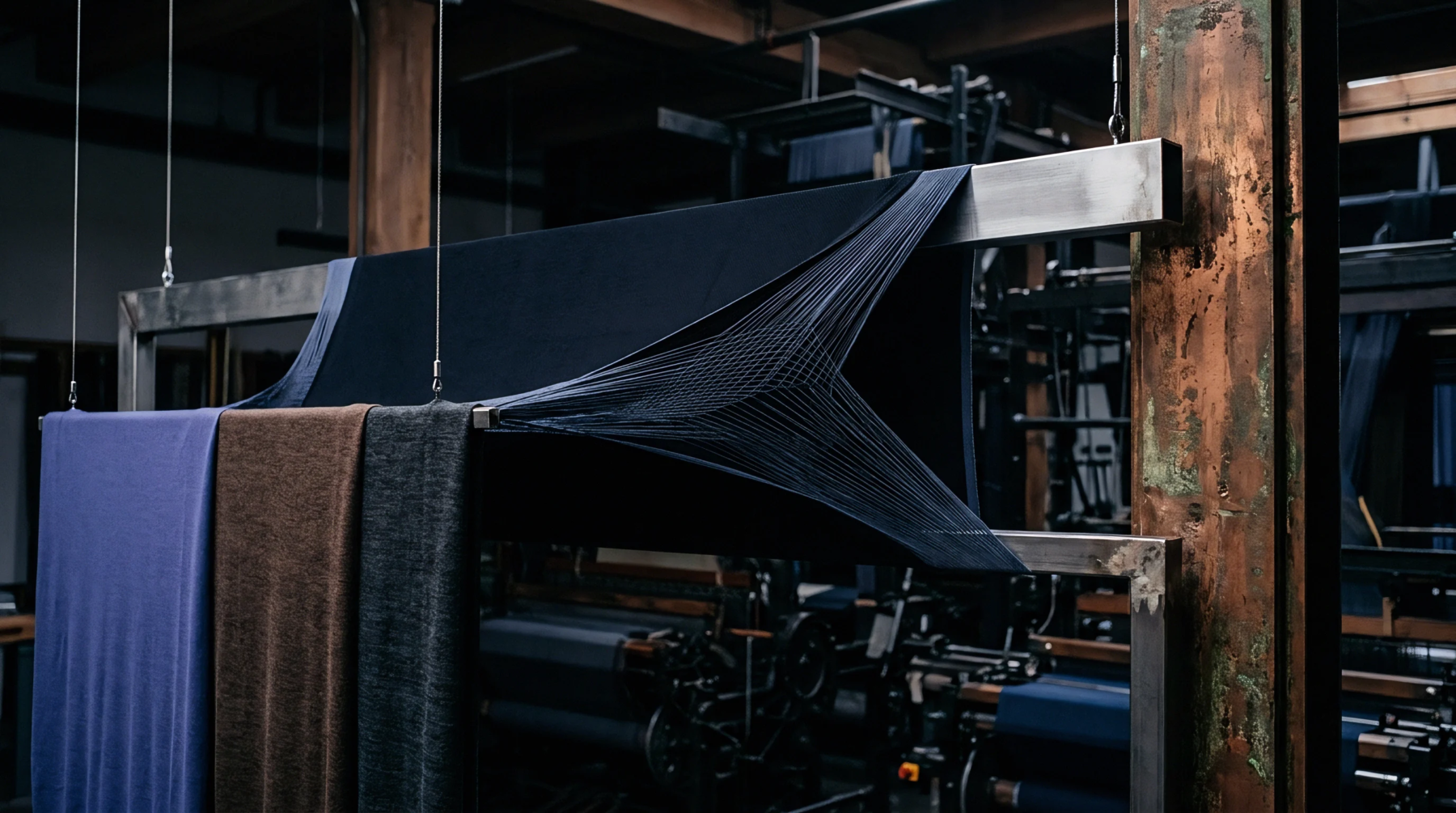
Warp cover factor calculation requires precise yarn diameter, density, and count conversions to establish enforceable fabric specifications and prevent bulk weaving defects.
Calculating correct loom reed width requires combining off-loom grey contraction, finished warp sett, and weft crimp percentage into one unified formula.

Greige warp beaming economics requires minimum 5000 metre set lengths to absorb fixed slasher setup losses, sizing waste, and creel remnant expenses.

Fabric performance depends on greige interlacing geometry, wet processing relaxation, and multi-mill supply chain lead times.

Aligning woven greige warp minimums with dyehouse vessel capacities requires calculating dry mass yields and vessel fill limits to prevent shade variation.
Expertise is a utility, not a secret. sentiention™ publishes its working knowledge as open reference: intelligence layer covering the materials it sources, the markets it enters, and the reference that serves both.