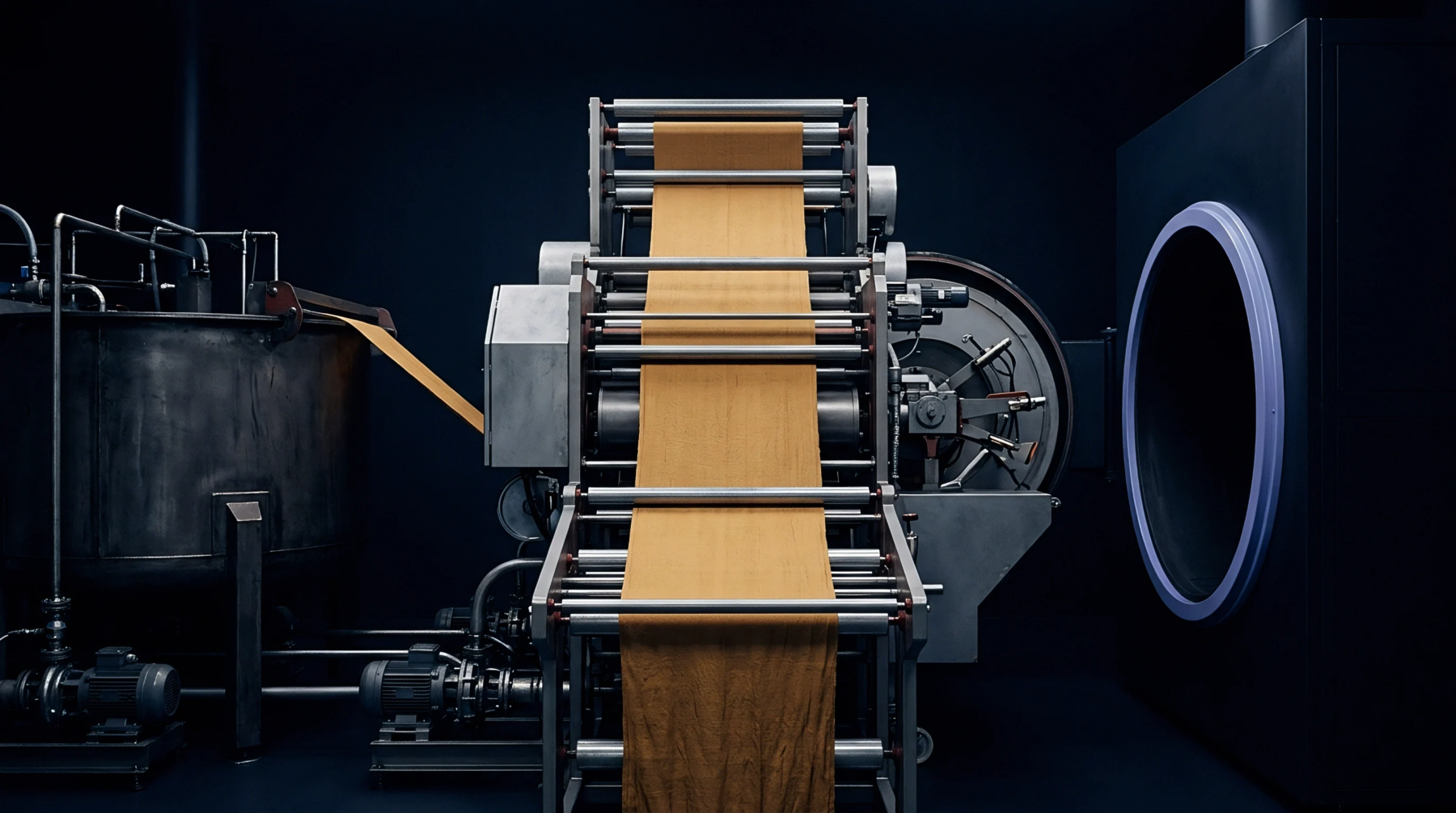
Determining Fabric Mass and Width Specifications in Woven Sourcing
Specify conditioned mass under ISO 3801 and minimum cuttable width excluding selvedges to lock in garment yield and protect unit production economics.
Specify conditioned mass under ISO 3801 and minimum cuttable width excluding selvedges to lock in garment yield and protect unit production economics.

Quantifying greige crimp exchange and jamming limits prevents beat-up fabric defects, off-loom width loss, and incorrect finished weight calculations.

Derive loom reed width by compounding greige take-up and wet finishing contraction percentages onto target cuttable width while balancing dent air space ratios.

Creel position frictional differential and package diameter decay drive warp tension variance, requiring dynamic compensation to limit loom stoppage rates.

Commission dyeing defect liability requires contractual tripartite agreements, pre-process greige verification gates, and analytical fault isolation.
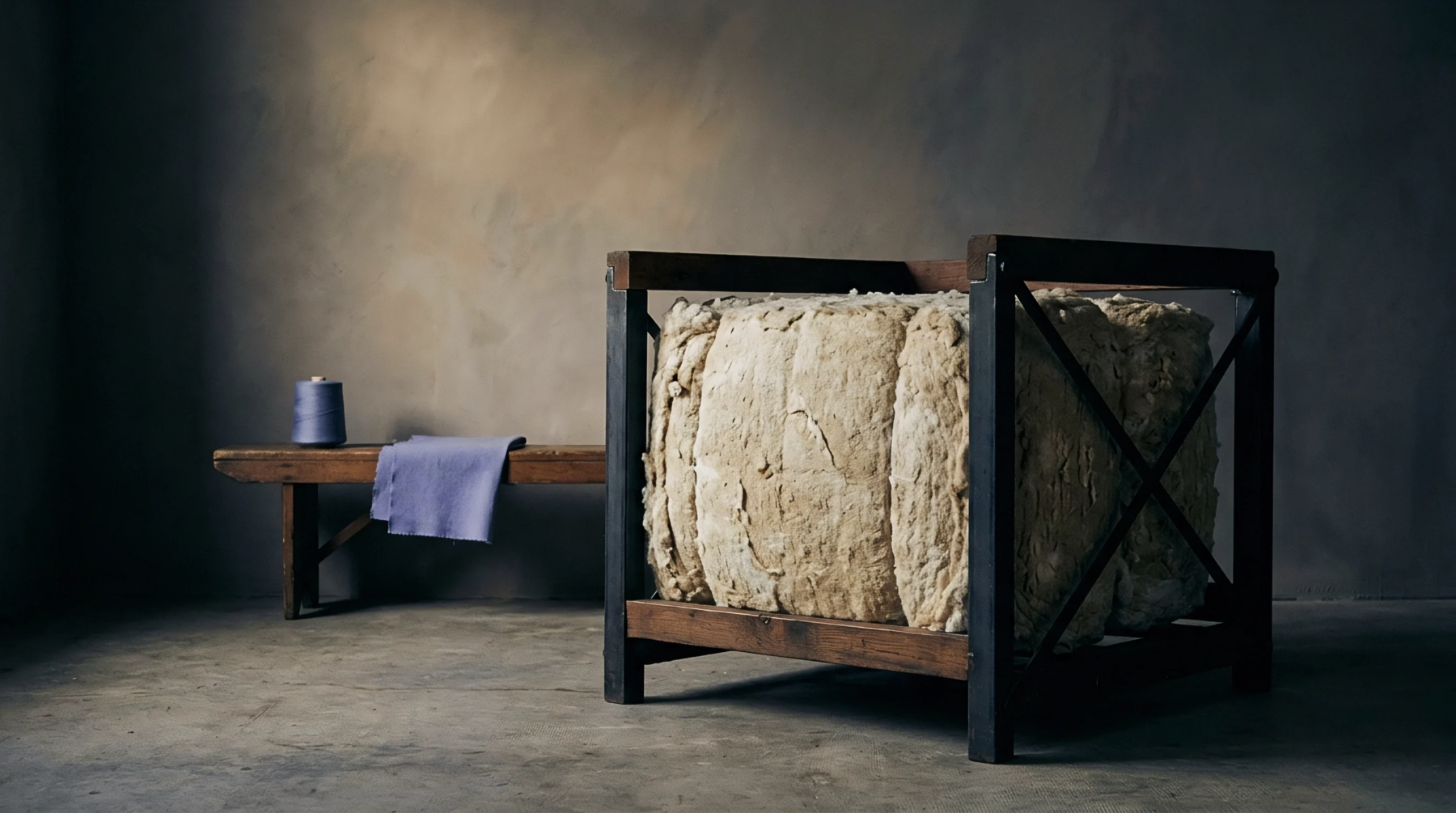
Contractual weight tolerance bands govern linear yardage yield, moisture regain adjustments, and cutting room markers to protect garment cost margins.
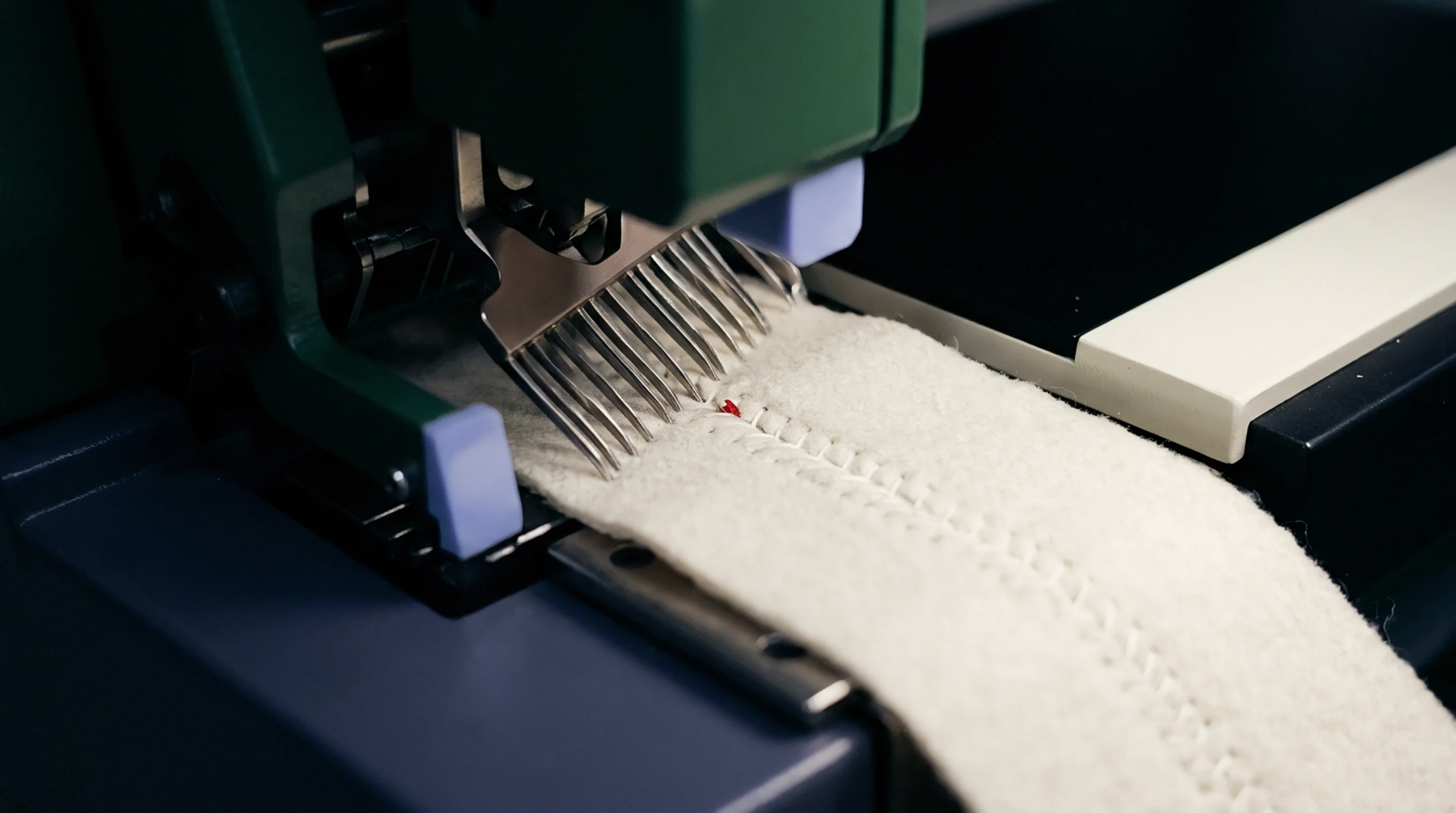
Resolving yarn density disputes requires standardized Soxhlet solvent extraction, precise 0.5 cN/tex pretensioning, and ISO 5725 statistical critical difference bounds.

Fabric mass per unit area is calculated by combining yarn linear density, thread count, and crimp factors across conditioned warp and weft system dimensions.

Verify coating weight stability and crosslinker kinetics to ensure peel strength exceeds ten Newtons per fifty millimetres after repeated washing cycles.
Expertise is a utility, not a secret. sentiention™ publishes its working knowledge as open reference: intelligence layer covering the materials it sources, the markets it enters, and the reference that serves both.