Duty Classification
Designated custom tariff schedules dictate exact border taxes for goods entering trading zones based on specific production steps and material compositions. Harmonized System Chapter 55 governs manmade staple fibres spanning both synthetic and artificial origins. Commercial agents apply these numerical codes to determine precise duty rates at the port of entry.
Stricter border checks verify that declared compositions match laboratory tests. Synthetic versions include polyester and acrylic filaments, whereas artificial variations cover regenerated cellulosic products like rayon and modal. Goods crossing borders without proper documentation face severe financial penalties.
Border control authorities enforce these classifications rigidly during customs clearance procedures.
Fibre Origin
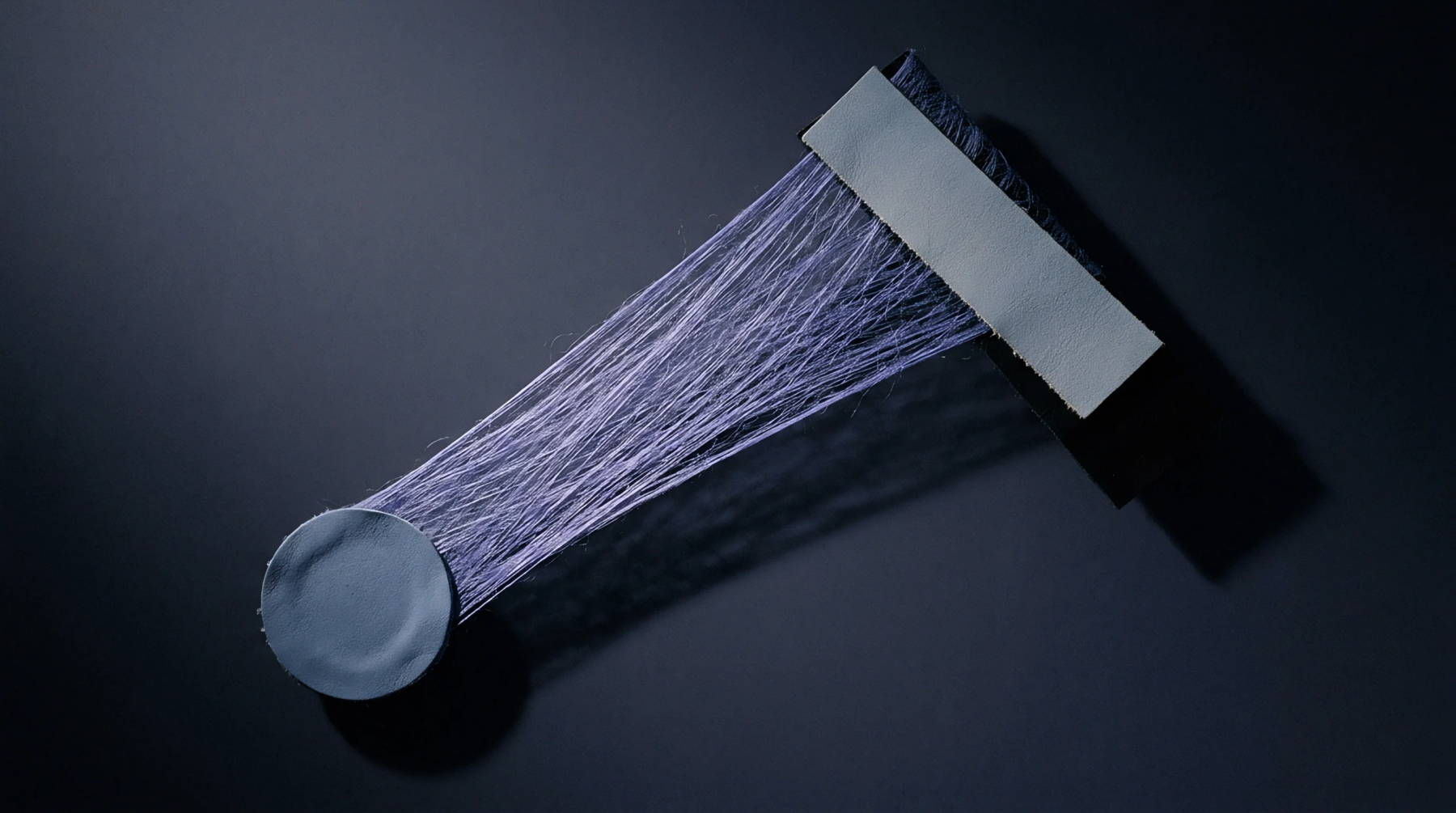
Synthetic staple polymers originate from petroleum derivatives extruded through spinnerets to form continuous filaments before mechanical crimping and cutting processes. Artificial variations start with natural polymers dissolved in chemical baths prior to regeneration. Technicians measure denier and staple length during spinning runs to ensure compliance with buyer specifications.
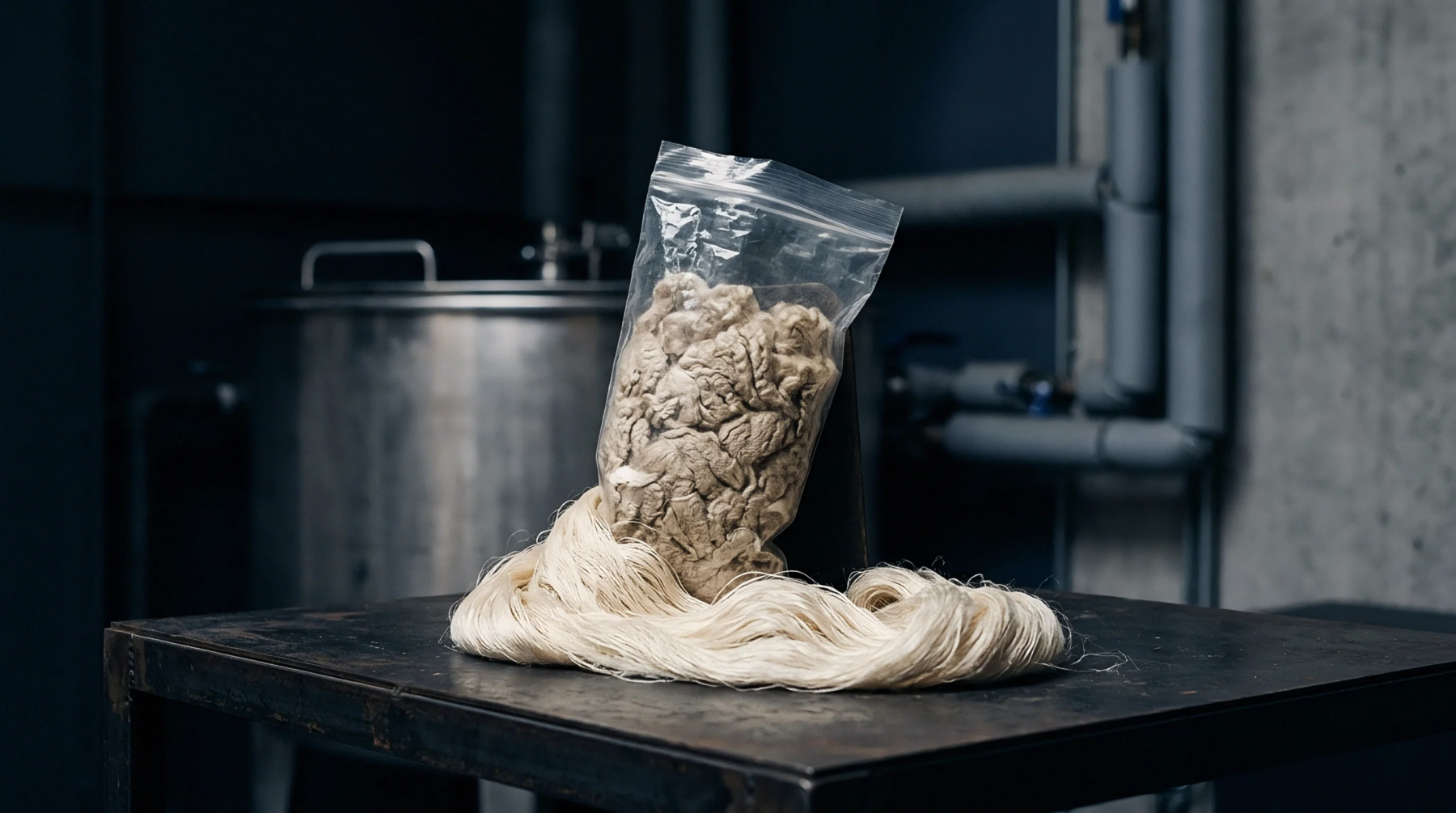
Mills purchase these processed raw materials in bales for subsequent yarn formation. Laboratory reports verify polymer purity before spinning mills commit capital to large production batches.
Yarn Formation
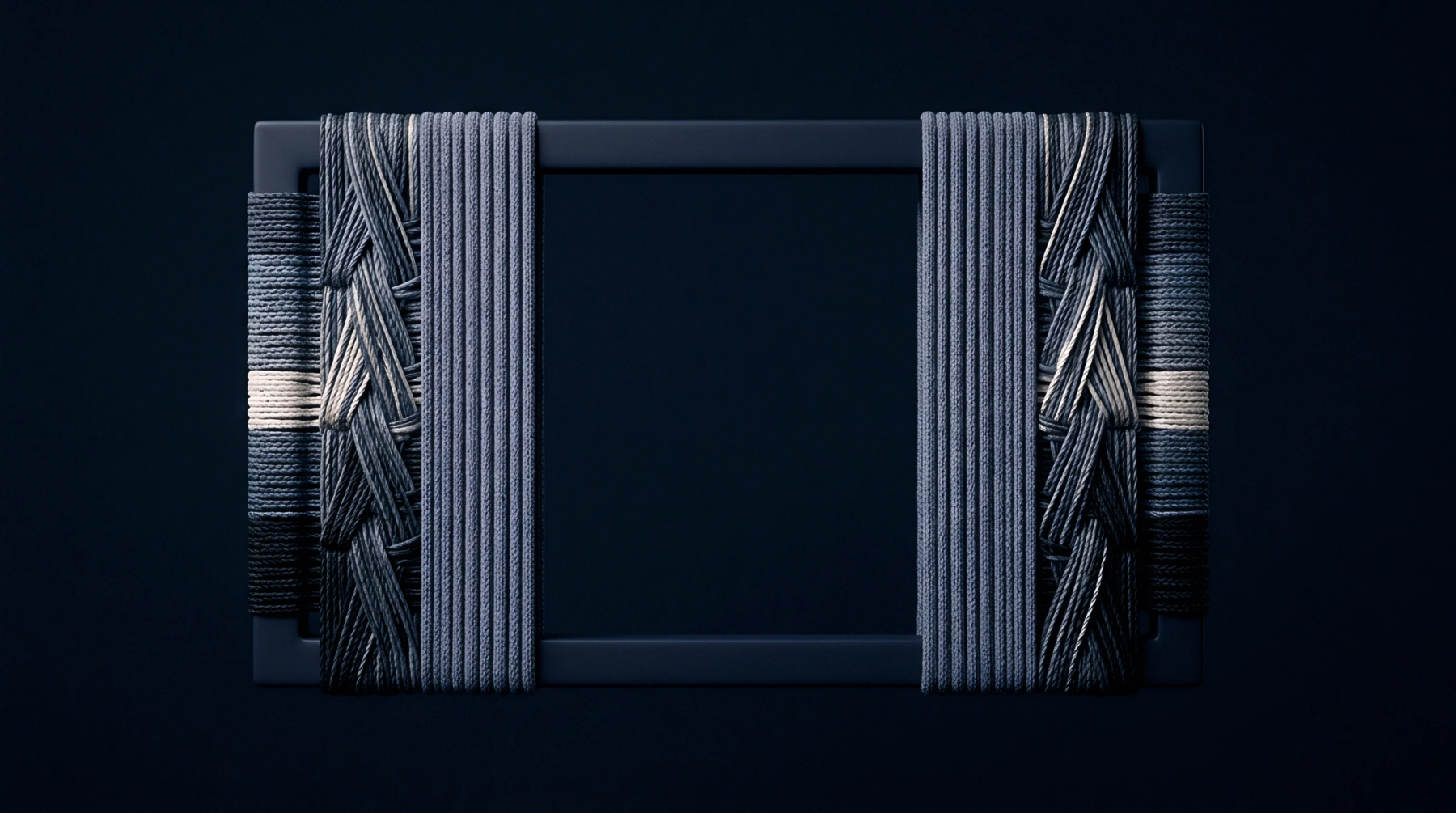
Spinning mills convert staple inputs into spun yarns through carding, drawing, roving and ring spinning or open end spinning operations. Harmonized System Chapter 55 applies directly to these intermediate textile structures when traded across international boundaries. Operators adjust twist levels to optimize tensile strength for subsequent weaving or knitting machinery.
Quality control teams test breaking tenacity and elongation properties before yarn packages leave the plant floor. Improper drafting creates uneven linear density, causing rejection during downstream processing.
Fabric Construction
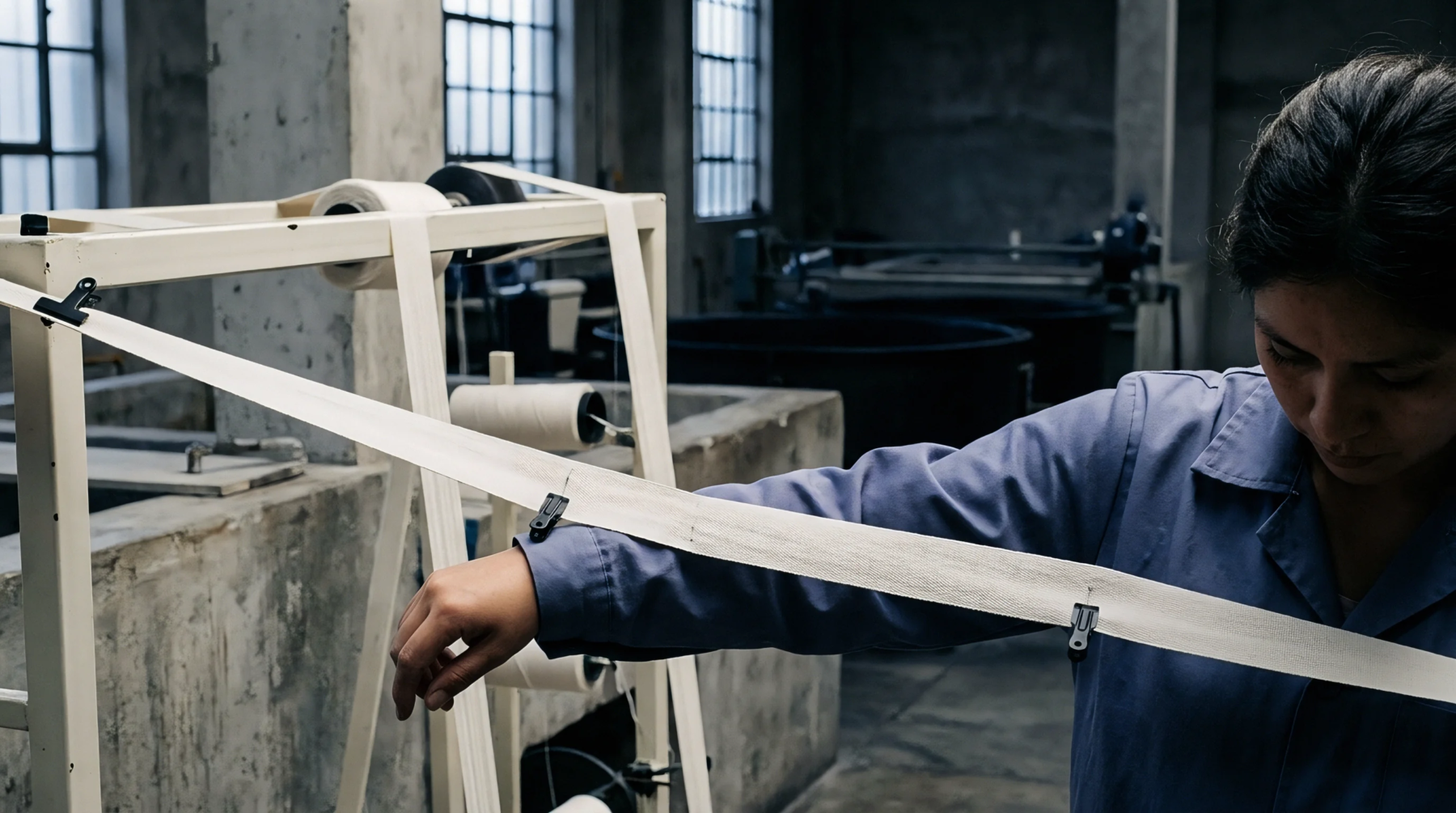
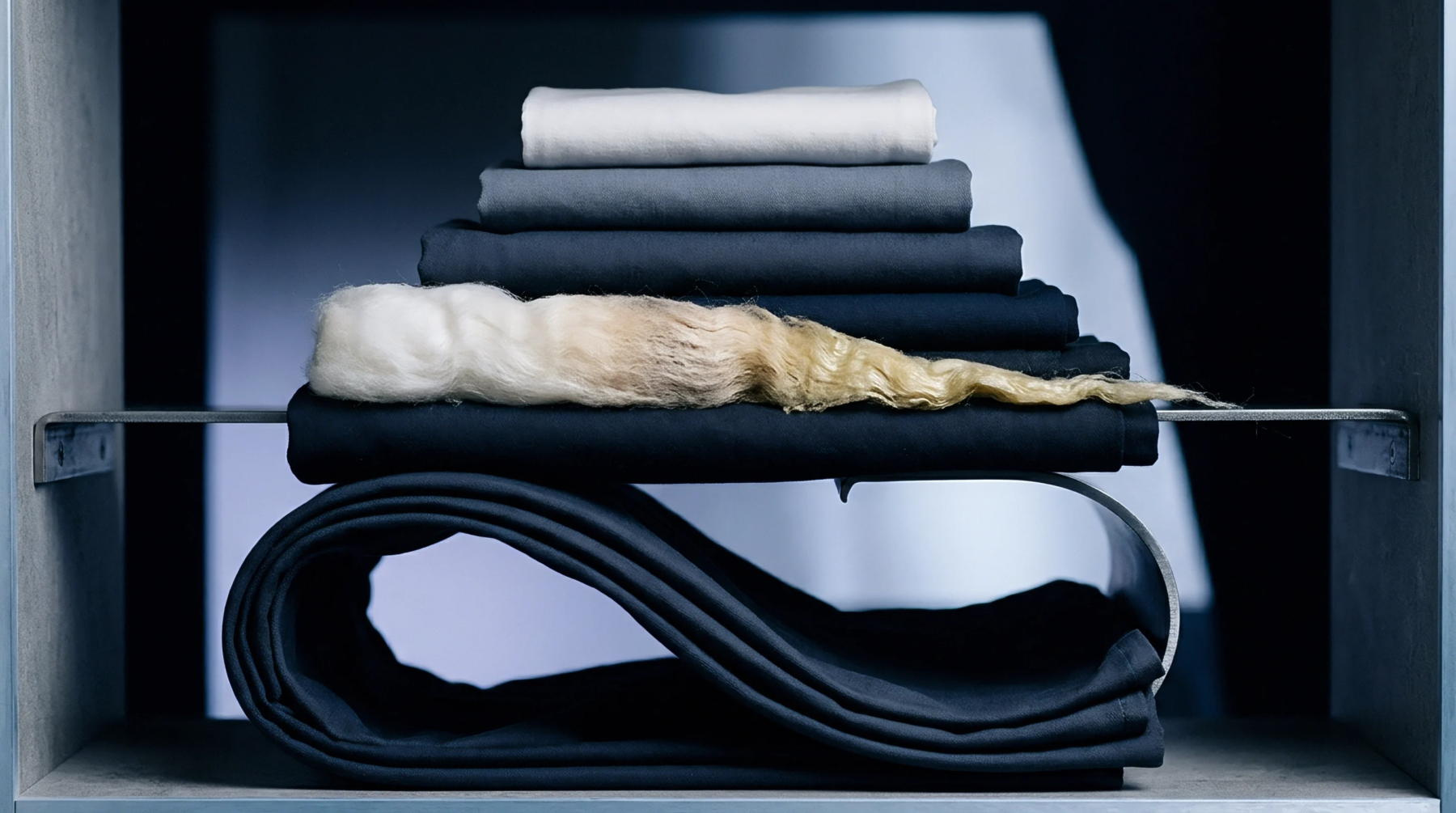
Weaving mills interlace warp and filling yarns on industrial looms to produce grey goods destined for apparel or industrial applications. Harmonized System Chapter 55 distinguishes woven fabrics containing eighty-five percent or greater manmade staple fibres from blended material constructions. Inspectors examine loom state textiles for broken ends and missing picks prior to wet processing.
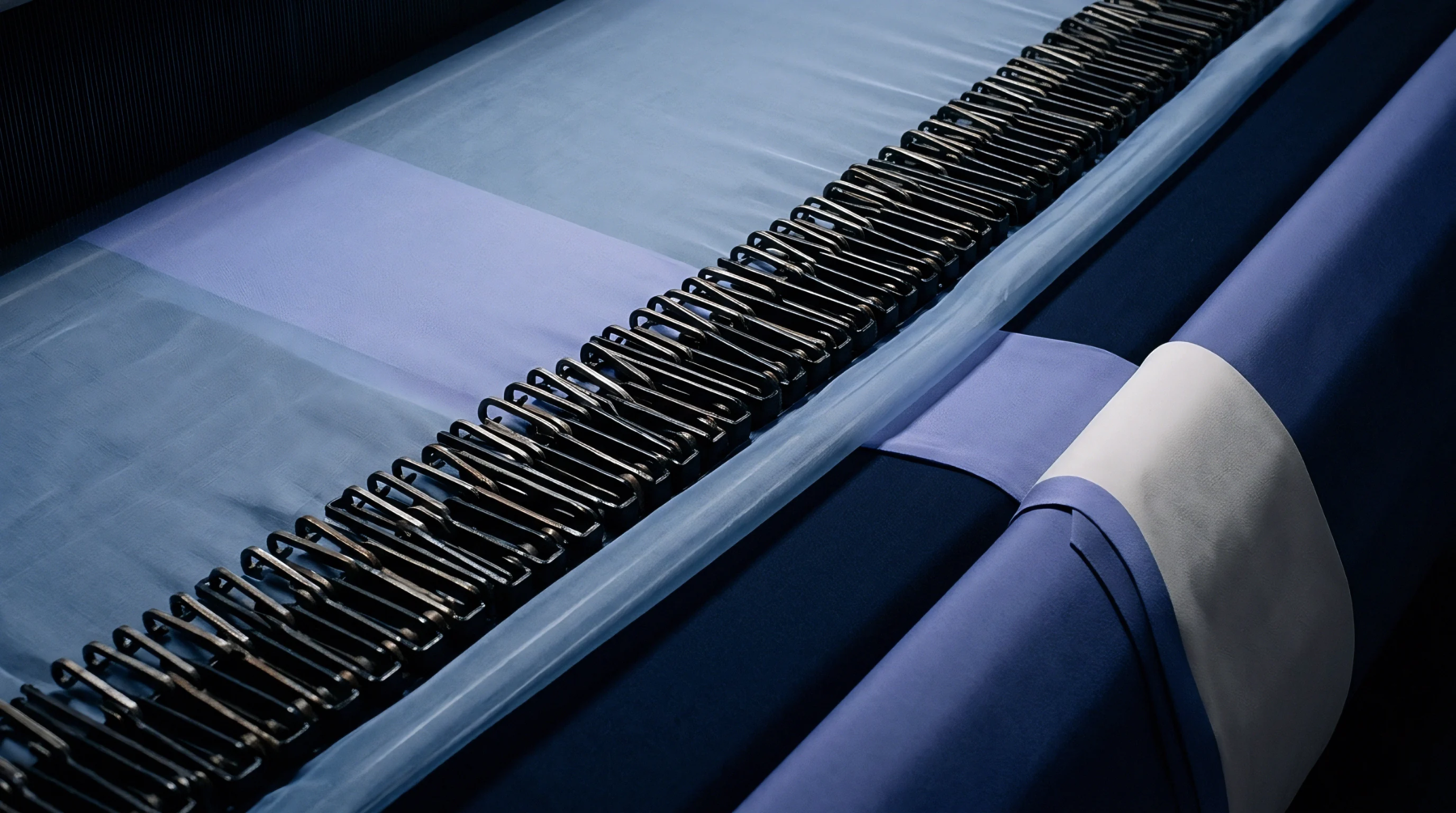
Subsequent dyeing and finishing treatments impart desired dimensional stability and hand feel characteristics. Finished goods leave the factory packed in rolls accompanied by commercial invoices displaying correct statistical codes.