
Measuring Short Fiber Content Impact on Combed Rotor Yarn Tenacity
Combed rotor yarn tenacity drops 0.35 cN/tex per 1% short fiber increase, requiring combed sliver SFC by weight below 8.0% for Ne 30 strength targets.
Combed rotor yarn tenacity drops 0.35 cN/tex per 1% short fiber increase, requiring combed sliver SFC by weight below 8.0% for Ne 30 strength targets.

Single fiber length skewness dictates carded ring spun tenacity by governing floating fiber drafting waves and ineffective stress transfer lengths.
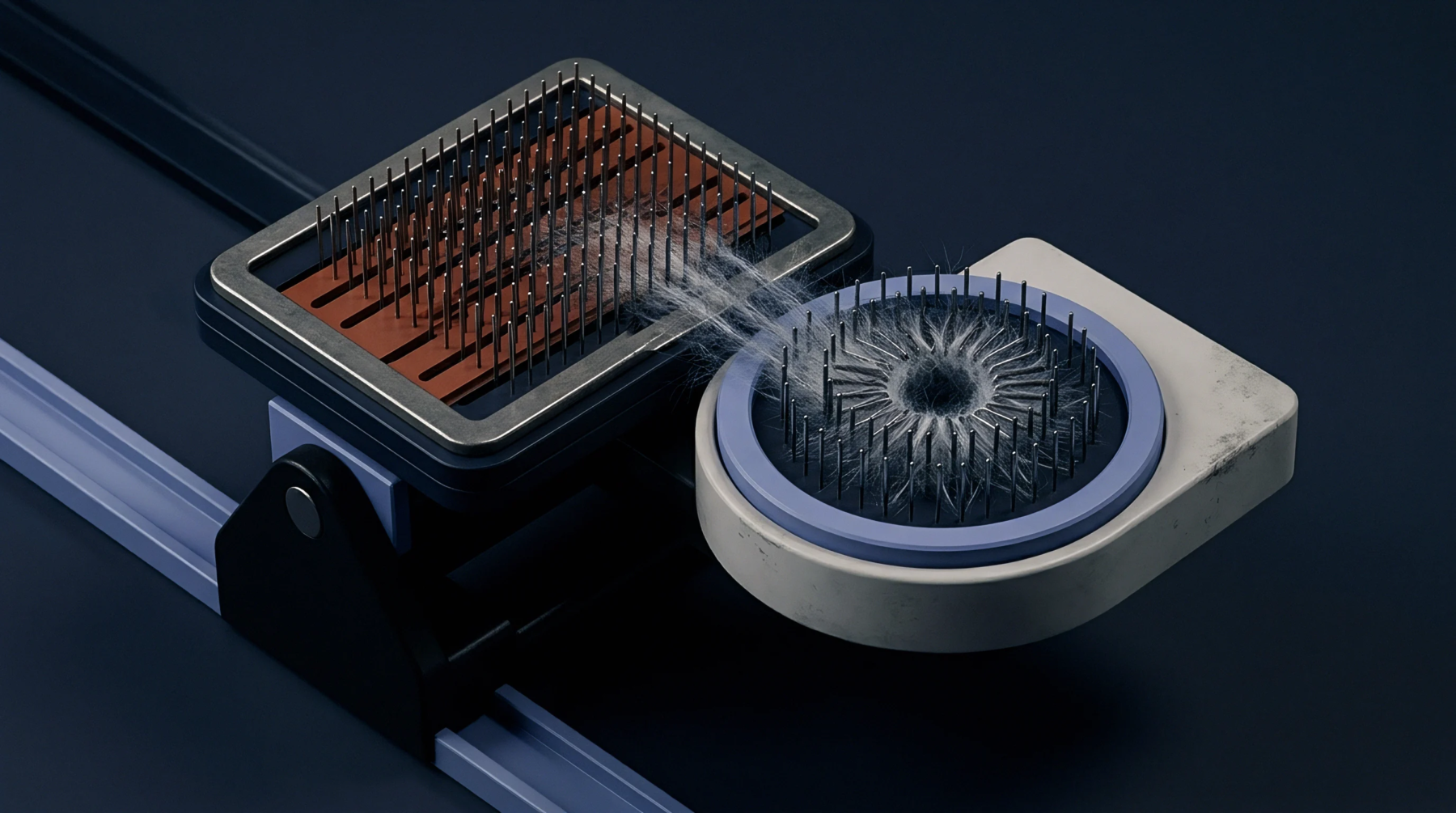
Tight card cylinder gauges and high licker-in speeds increase fiber breakage, elevating short fiber content by up to four percent and reducing yarn tenacity.

HVI span metrics quantify cotton length through optical beard scanning, where 2.5 percent span length dictates drafting gauges and uniformity governs noil extraction.

Air jet spinning waste ranges from three to nine percent, driven by short fiber index and nozzle pressure, directly shifting yarn yield and blend ratios.
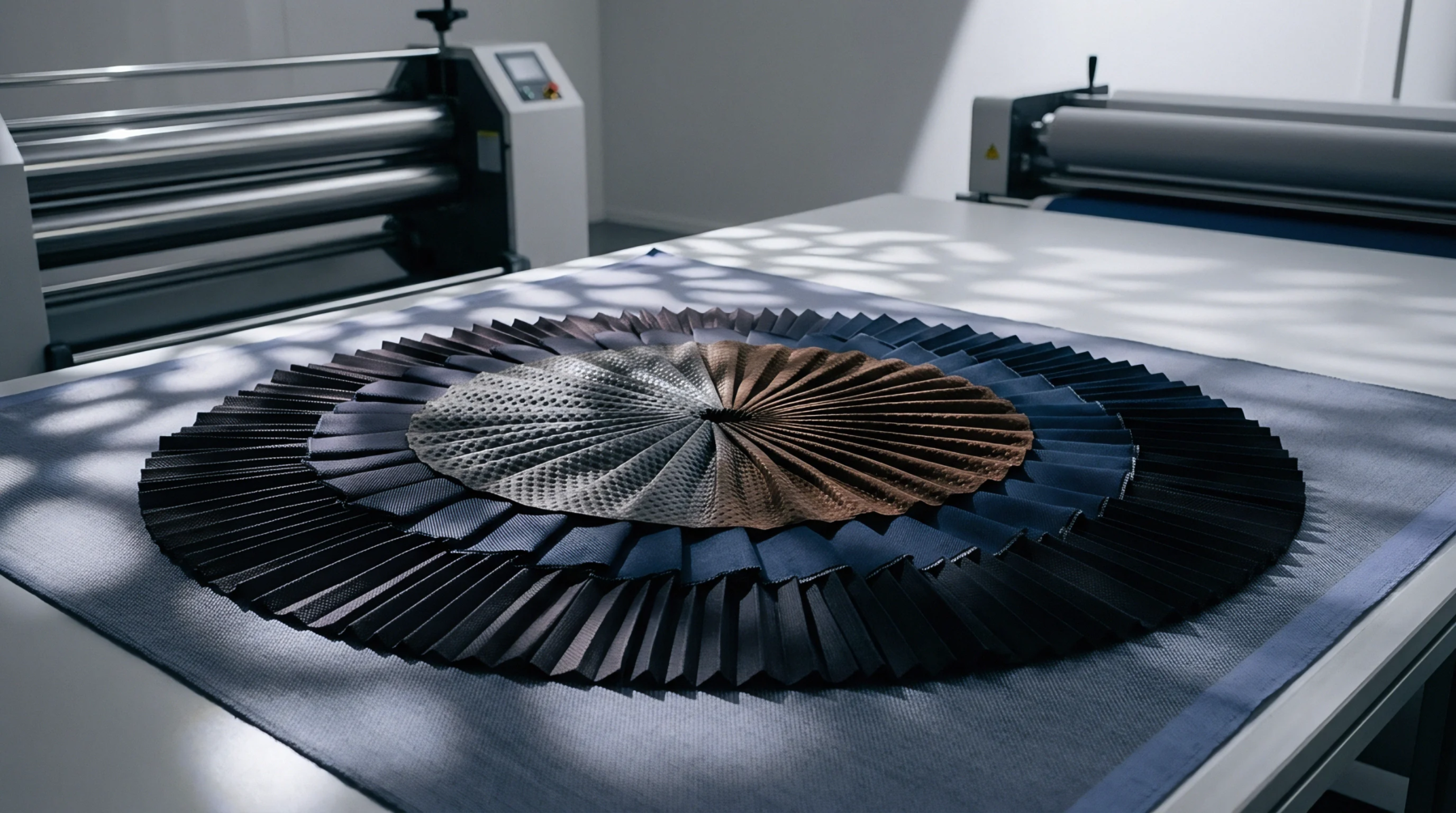
Mechanical opening separates cotton and polyester blends when differences in fiber density, crimp, and friction cause differential transport and waste drop.

Combing cotton sliver below 5.5% short fiber content raises rotor yarn tenacity ceilings to 18.5 cN/tex by reducing friction slip inside the rotor groove.

AFIS short fiber content by weight in raw cotton must remain below 8.5 percent to prevent severe mass variance and tenacity drop in carded yarn spinning.
Expertise is a utility, not a secret. sentiention™ publishes its working knowledge as open reference: intelligence layer covering the materials it sources, the markets it enters, and the reference that serves both.