
Polymer Crosslink Degradation in Cellulosic Fabric Wet Processing
Polymer crosslinks in cellulosic fabric wet processing degrade via acid-catalyzed glycosidic cleavage during high-temp baking and wet post-reprocessing cycles.
Polymer crosslinks in cellulosic fabric wet processing degrade via acid-catalyzed glycosidic cleavage during high-temp baking and wet post-reprocessing cycles.
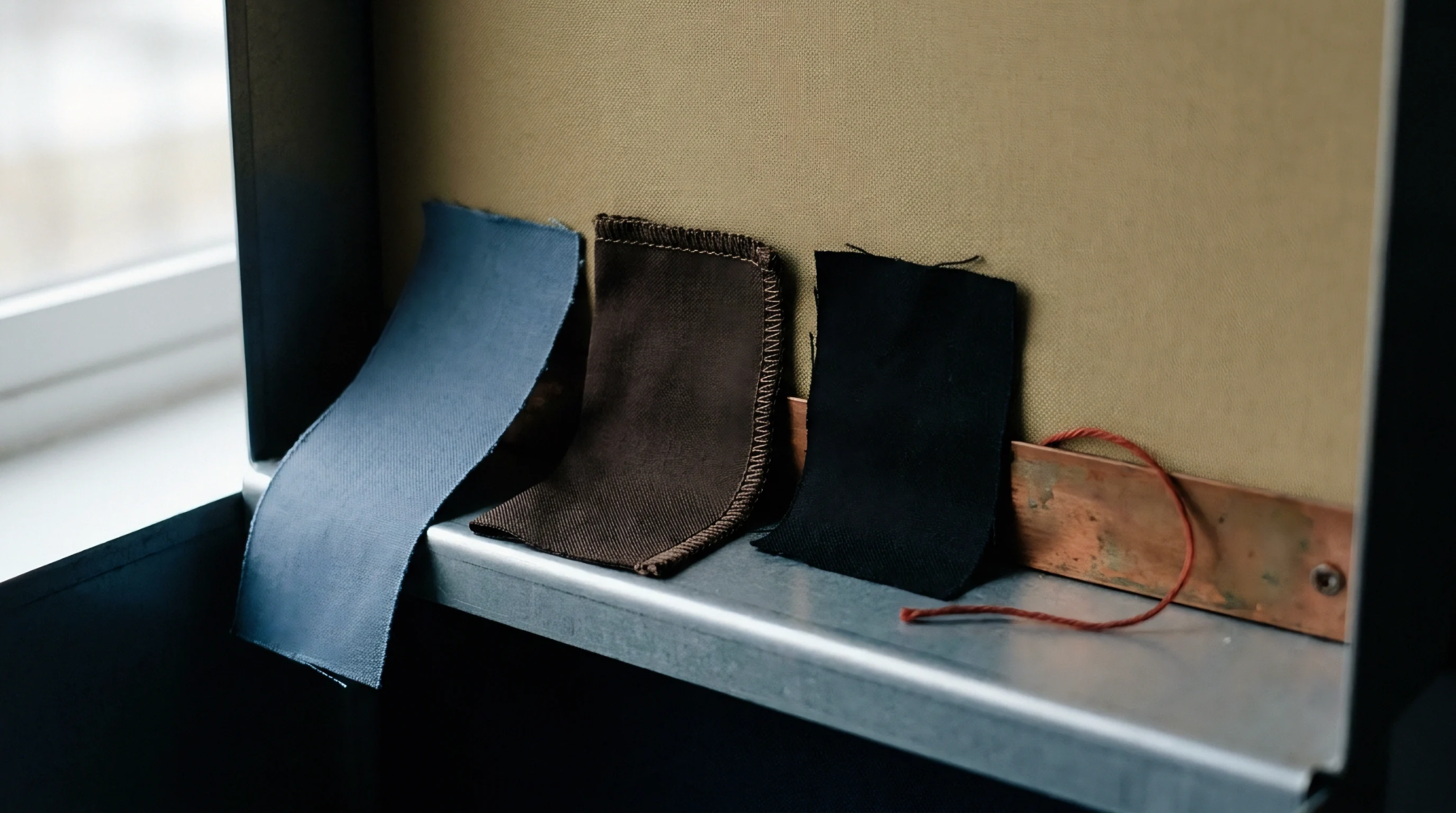
Concentrated alkali silicate baths skew glass electrode pH readings via liquid junction potentials and diaphragm fouling, requiring differential sensors or titration.
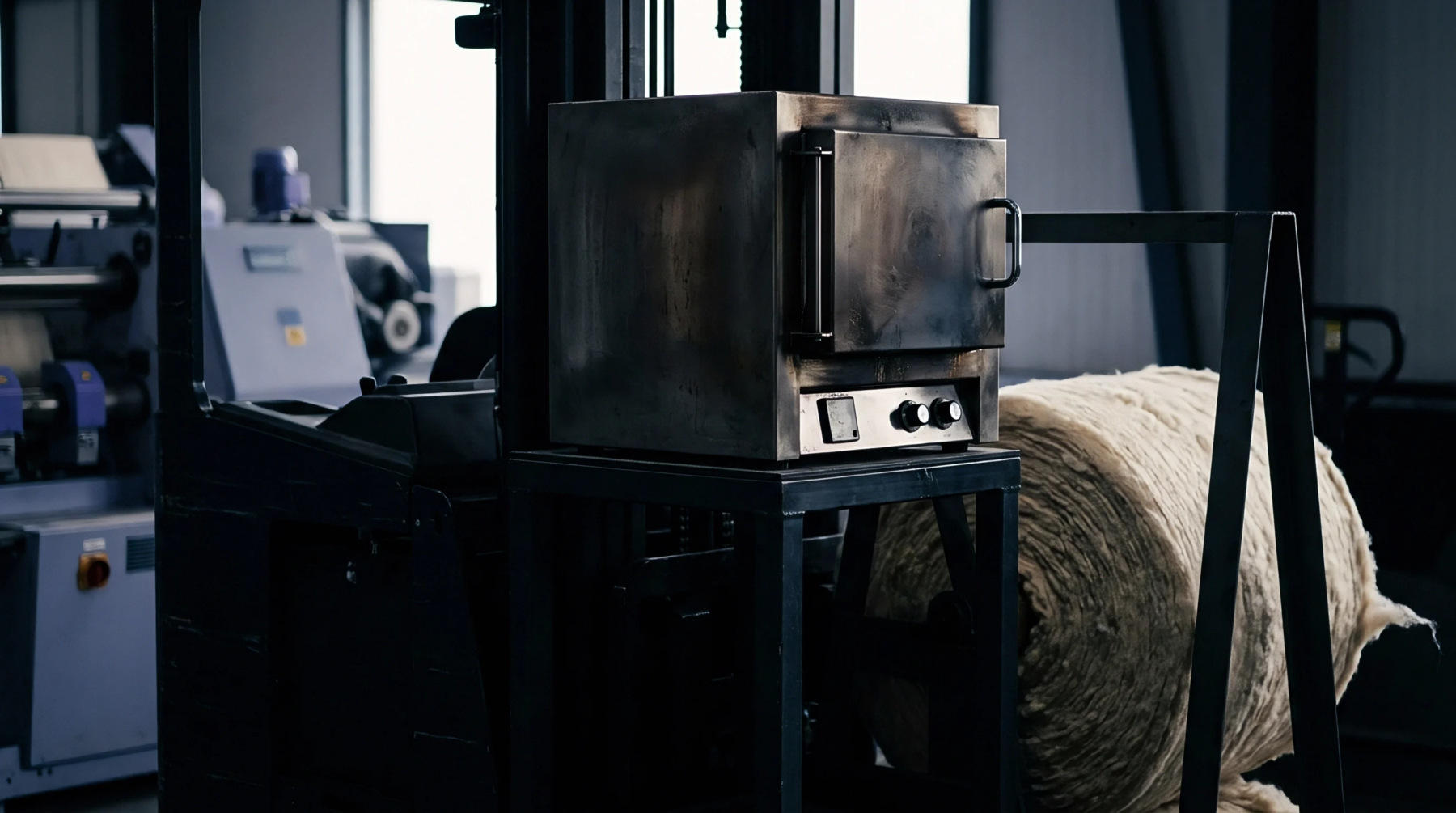
Controlling textile extract measurement temperature within 20 °C ± 1 °C prevents temperature-induced pH drift and false ISO 3071 compliance rejections.

Managing liquid junction potential in low-conductivity textile extracts requires ground-glass sleeve electrodes or adding potassium chloride per ISO 3071.
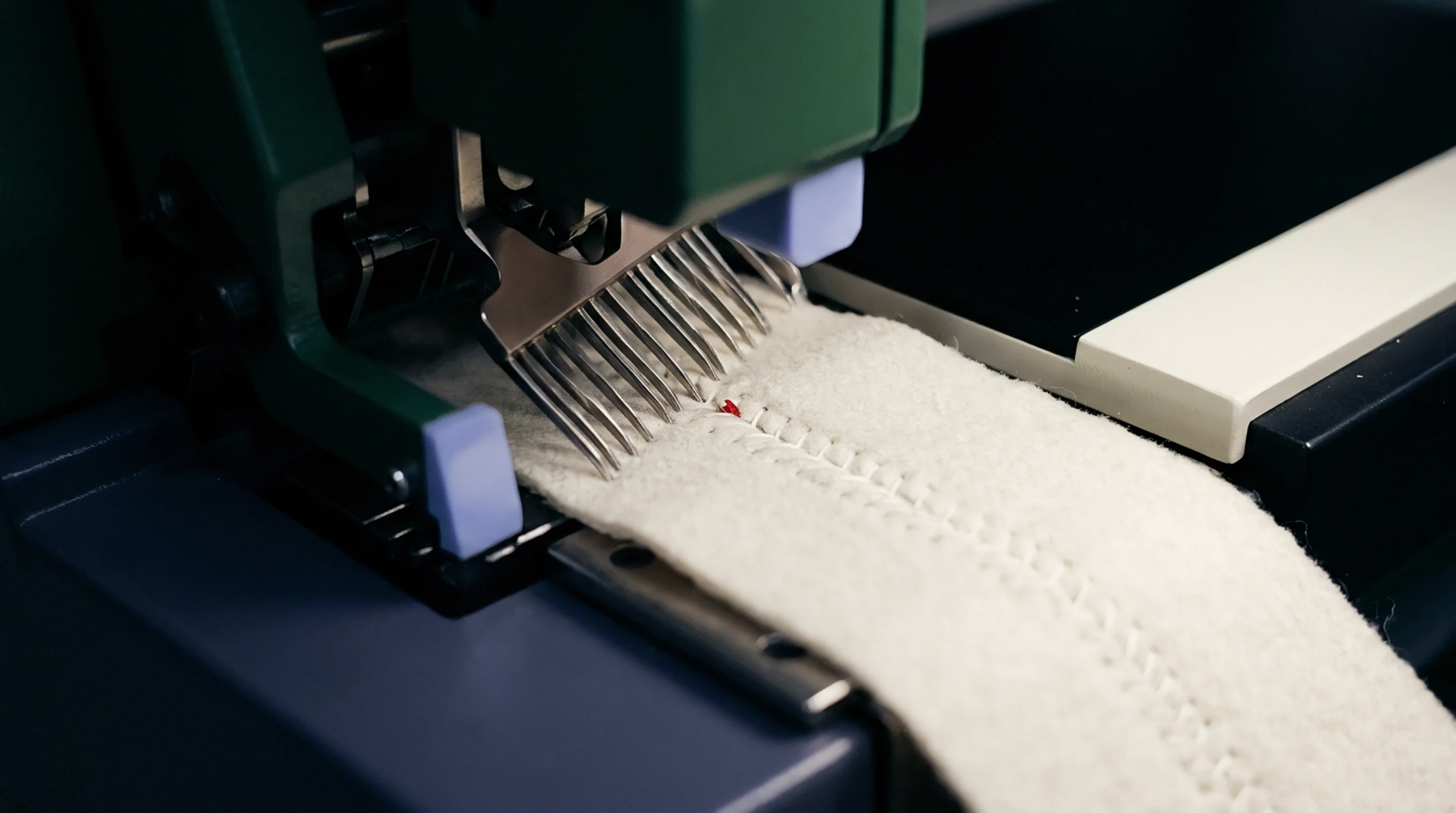
Electrochemical probes in high-molality lye require Pitzer ion-interaction compensation algorithms to eliminate activity errors and pass ISO 3071 audits.

Subcontracted extract dossiers require temperature coefficient corrections and membrane sorption controls to prevent regulatory non-compliance.

Accurate textile extract pH verification requires two-point Nernstian calibration, controlled temperature compensation, and sleeve junction electrodes to prevent electrolyte clogging.

Automated multi-point sensor calibration and matrix-corrected titrations generate traceable batch data required to clear border compliance audits.

Type approval certificates prove mill capability, while targeted lot indicator testing on repeat orders verifies shipment conformity before vessel loading.
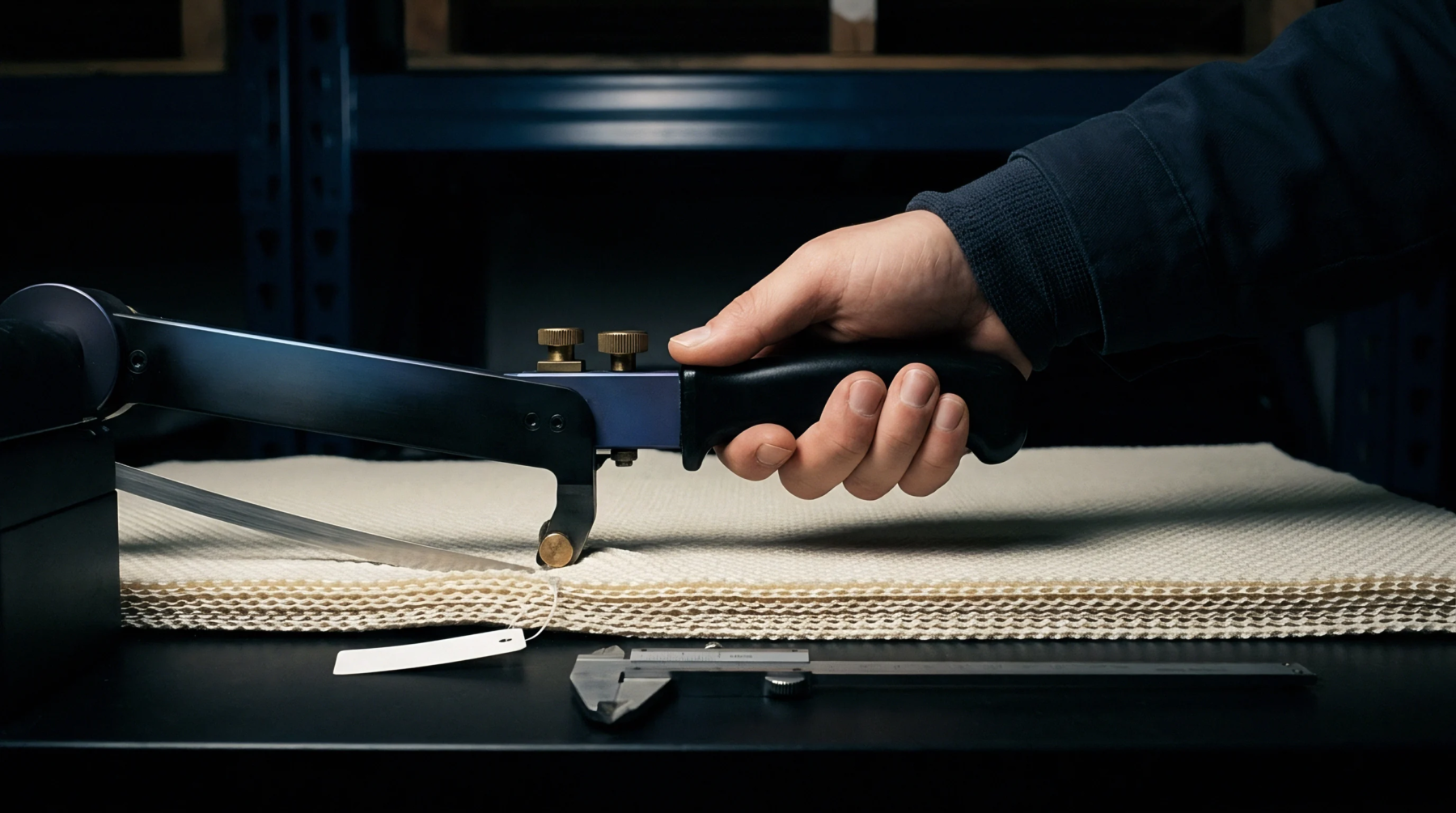
Physical swatch position across fabric width and length determines chemical compliance, requiring three-point cross-web sampling to validate batch pass status.
Expertise is a utility, not a secret. sentiention™ publishes its working knowledge as open reference: intelligence layer covering the materials it sources, the markets it enters, and the reference that serves both.