Determining Commercial Moisture Regain in Raw Cotton Shipments
Commercial cotton weight relies on standard moisture regain adjustments, calculating dry mass through oven drying to settle invoices accurately on net dry fibre.
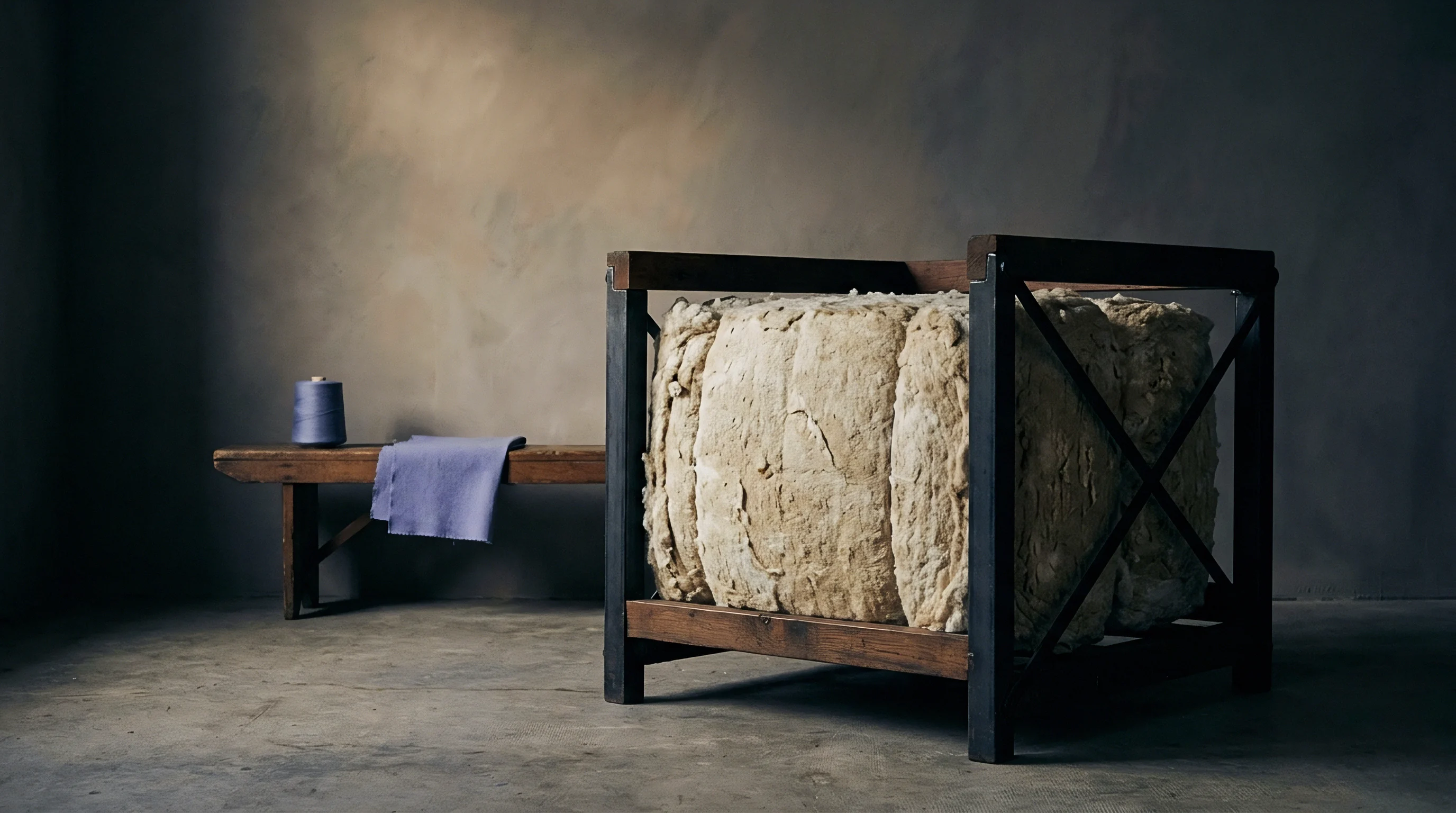
Bale
Commercial Mass Variability in Compressed Fibre Containers
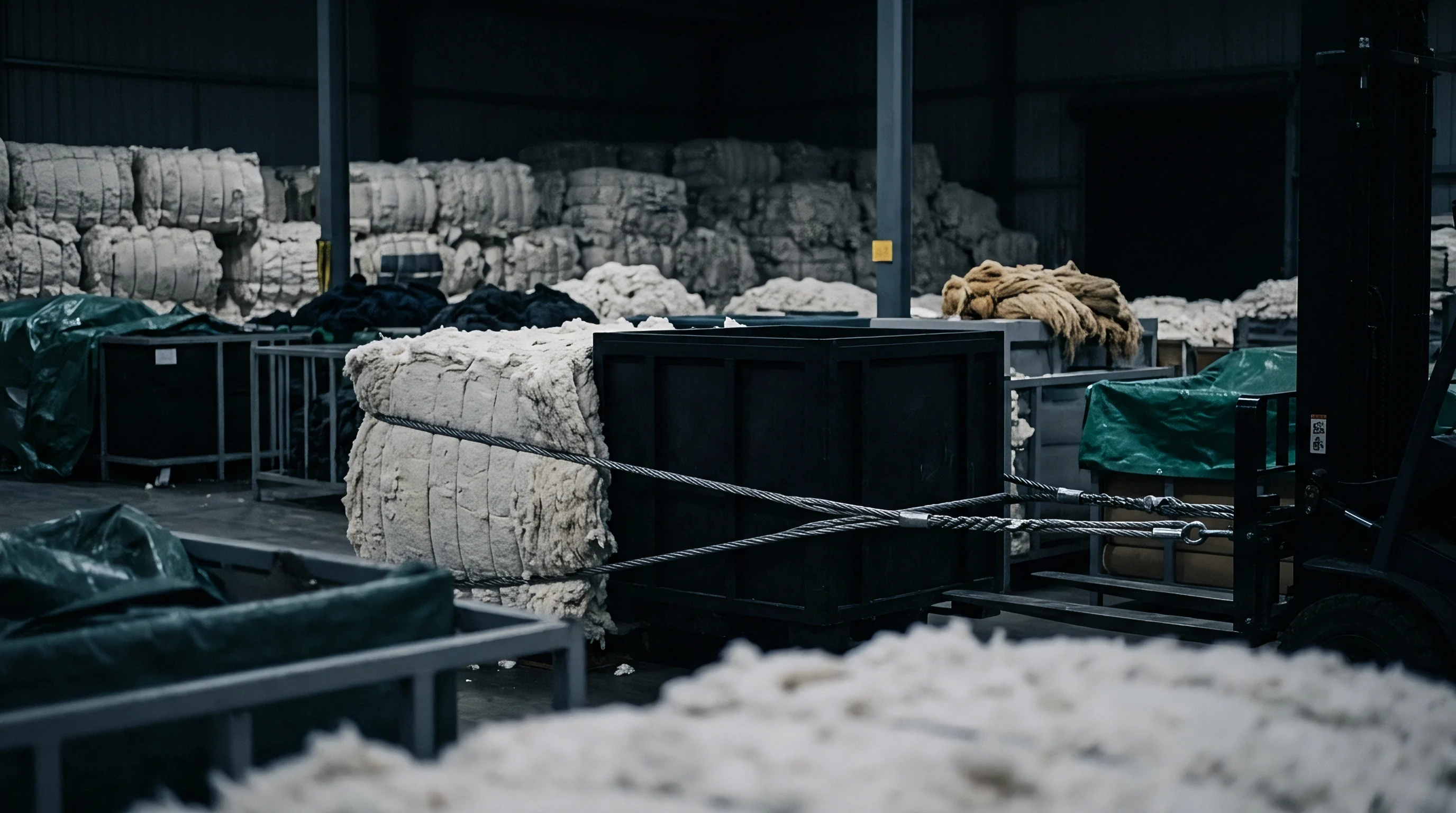
Dense cotton bales entering cross-border transit move through fluctuating thermal and atmospheric environments. A standard high-density bale compressed to 450 kilograms per cubic metre retains significant internal void space. Air trapped inside these spaces exchanges water vapour with ambient air through the porous polypropylene packaging.
Water mass inside a raw cotton lot fluctuates continuously from the gin press room to the spinning mill opening line.
Buyers pay for dry fibre mass plus an agreed percentage allowance for natural humidity. Water weight delivered above or below this agreed baseline distorts the true price paid per kilogram of usable cellulose. A container carrying twenty metric tonnes of raw cotton lint at nine percent moisture content delivers less net fibre than the same container arriving at seven percent.
Settling contracts on gross scale weight without correcting for exact moisture content transfers substantial capital between trading counterparties without physical fibre exchanging hands.

Hydrological Transport across Ocean Routes
Container ships traversing temperature gradients induce localized convection currents inside closed freight units. Sun-exposed steel roofs heat the top air space inside the container during daylight hours. Moisture evaporates from upper bale surfaces, condenses on cooling container ceilings at night, and drips back onto the top tier of bales.
This cycle creates extreme moisture variation between outer bale surfaces and interior cores.
Bale packaging materials slow down vapor transmission without blocking moisture movement entirely. Polyethylene wraps seal outer surfaces effectively, yet moisture migrates through boundary seals and pinholes under vapour pressure differentials. Unwrapped or hessian-covered bales reach moisture equilibrium with ambient air far faster, losing or absorbing weight depending on shipping lane humidity.
A lot weighed at origin under humid conditions loses weight during dry ocean transport, generating a net weight shortage claim at destination.

Commercial Stakes of Water Weight Inconsistencies
Sourcing managers who neglect moisture verification pay primary fibre prices for liquid water. Raw cotton trades on net commercial weight, calculated by stripping actual moisture down to bone-dry mass and adding back the standard commercial regain percentage. When origin invoices list gross weight without certified moisture testing, the buyer assumes all financial risks associated with transit drying and invisible mass loss.
Customs authorities assess tariff duties on imported cotton shipments based on declared net mass. Oversaturated bales lead to inflated landed weight figures, driving up import duty charges and localized handling fees. Discrepancies between origin bill-of-lading mass and mill-gate landed mass sour commercial relationships when contracts fail to define sampling methodologies and financial adjustment triggers.
Failure to establish clear moisture determination terms prior to dispatch leaves mills vulnerable to unrecoverable inventory shortfalls.


Physics

Thermodynamics of Water Sorption in Cellulose
Cotton fibre consists of highly crystalline cellulose regions interspersed with amorphous domains. Hydroxylene groups inside amorphous regions form hydrogen bonds with atmospheric water molecules. Crystalline regions remain impervious to water molecules under normal ambient temperatures.
Moisture absorption occurs exclusively within amorphous cellulose zones and upon accessible fibril surfaces.
Sorption behaviour follows a sigmoid isotherm, characteristic of porous organic polymers. Water molecules bind tightly to primary hydroxyl sites at low relative humidity levels, forming a monomolecular layer. Rising humidity levels force water molecules into secondary layers, filling micropores through capillary condensation.
The fibre swells laterally during this process, expanding its cross-sectional area by up to fourteen percent while length increases by less than two percent.
Sorption Hysteresis and Equilibrium Moisture Content
Cotton exhibits distinct equilibrium moisture values depending on whether it approaches equilibrium from a wet state or a dry state. Desorption yields higher equilibrium moisture content than adsorption at identical ambient temperature and relative humidity levels. A bale drying out from eleven percent moisture content holds more water at sixty-five percent relative humidity than a bale absorbing water from a dry four percent state.
Standard testing conditions dictate twenty degrees Celsius and sixty-five percent relative humidity. Equilibrium moisture content under these exact conditions settles near seven point five percent for absorbing fibres, whereas desorbing fibres settle near eight point five percent. Knowing the moisture history of a raw cotton lot determines whether laboratory measurements reflect equilibrium from above or below.
Relative humidity shifts during sea transit redefine the equilibrium state faster than dense bale cores can exchange vapor with the ambient air.

Distinguishing Moisture Regain from Moisture Content
Textile metrics split hydration measurements into two distinct mathematical ratios. Moisture Content expresses water mass as a percentage of the wet specimen total mass. Moisture Regain expresses water mass as a percentage of the dry specimen mass alone.
The commercial trade operates strictly on Moisture Regain figures to maintain a constant denominator during mass calculations.
Confusing these two terms introduces structural calculation errors into commodity valuations. An eight percent Moisture Content calculation translates to an eight point seven percent Moisture Regain figure. Converting between these two forms remains mandatory when reconciling laboratory analytical sheets against commercial billing invoices.
| Relative Humidity (%) | Adsorption Regain (%) | Desorption Regain (%) | Commercial State |
|---|---|---|---|
| 30 | 3.8 | 4.7 | Over-dried gin storage |
| 50 | 5.4 | 6.6 | Arid warehouse climate |
| 65 | 6.8 | 8.1 | Standard ISO 139 atmosphere |
| 80 | 9.2 | 10.5 | Humid ocean port transit |
| 90 | 12.4 | 13.8 | High risk of microbial mold |
Fibre strength and processing efficiency depend directly on internal water content. Dry cotton below five percent regain becomes brittle, generating static electricity and snapping under high-speed carding forces. Oversaturated cotton above nine percent regain clogs blowroom beaters, increases nep formation, and causes gin-stitching during roller separation.
Environmental humidity balance underpins every spinning preparation operation.


Chamber

Thermogravimetric Oven Drying Methods
Direct gravimetric determination via forced-draft oven drying serves as the absolute baseline standard for commercial moisture regain testing. ASTM D2495 and ISO 6741 specify heating raw cotton specimens to constant mass at temperatures between one hundred five and one hundred ten degrees Celsius. Water evaporates completely without decomposing non-cellulosic impurities such as natural waxes and pectins.
Standard forced-draft ovens pass pre-conditioned dry air through testing chambers to purge volatile water molecules. Weighing specimens inside the heated oven chamber prevents ambient moisture re-absorption during scale readings. Specimens weighed outside oven chambers require hermetically sealed weighing bottles, cooled inside desiccators containing active silica gel or anhydrous calcium chloride.

Step-by-Step Standard Oven-Drying Laboratory Protocol
- Extract specimen tufts weighing at least fifty grams from internal core samples taken across twenty separate lot bales.
- Enclose test samples immediately inside non-hygroscopic air-tight containers to prevent atmospheric moisture loss prior to initial weighing.
- Record initial wet mass on an analytical balance precise to zero point zero zero one gram.
- Place open wire basket containers containing test samples into the drying chamber maintained at one hundred five degrees Celsius.
- Circulate heated dry air continuously through the chamber while venting moisture-laden vapor outdoors.
- Weigh sample baskets inside the chamber after one hour of continuous drying.
- Repeat weighing operations at fifteen-minute intervals until consecutive weighings show less than zero point zero five percent mass change.
- Record final dry mass value directly from the internal balance display.
- Calculate absolute dry mass by subtracting tare weight of the basket assembly from final dry mass.

Electronic and High-Frequency Measurement Tools
Mills require rapid screening techniques to assess incoming container lots without waiting four hours for oven drying. Handheld moisture meters measure electrical resistance or dielectric capacitance across cotton fibres. Resistance meters drive two metal pins into the bale face, reading electrical conductivity between the tips.
Water molecules conduct electricity, so lower resistance correlates with higher water content.
Capacitance meters project high-frequency electromagnetic fields into the bale, measuring changes in dielectric permittivity. Water possesses a dielectric constant near eighty, whereas dry cellulose sits between two and three. High dielectric readings signal wet zones deep inside compressed bale layers.
These portable tools provide instantaneous field assessments but require frequent calibration against primary thermogravimetric oven standards.
Field meters fail when operators measure bales with irregular density or elevated salt content. Ginning additives, residual fertilizer, and high trash content shift dielectric readings without actual water mass changing. Supplier excuses for moisture discrepancies routinely cite surface condensation or uncalibrated field probes as reasons to reject mill laboratory test reports.

Scale
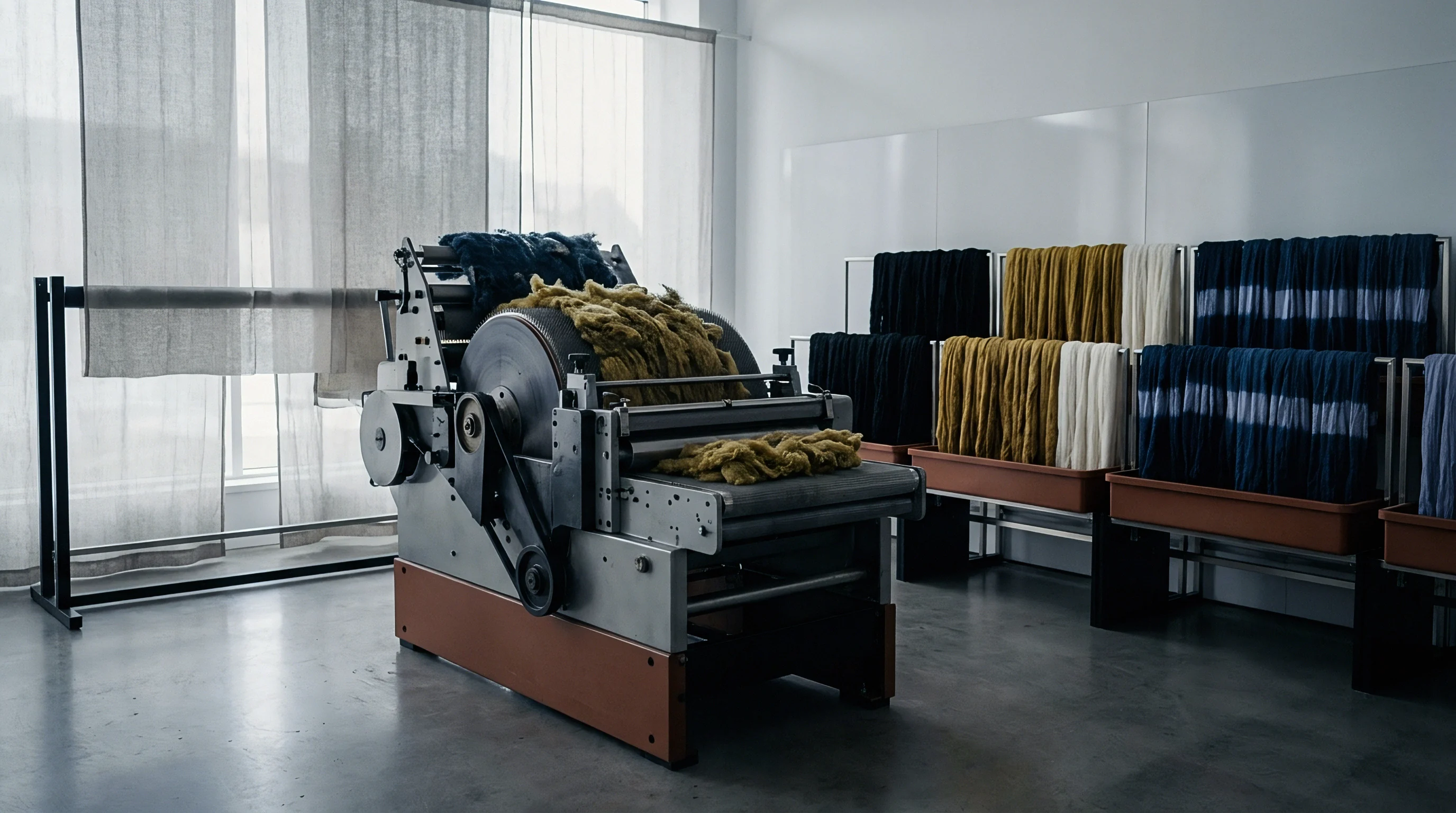
Commercial Mass Calculations and Mathematical Formulas
Standard commercial mass represents the fictitious invoice mass derived by taking absolute dry mass and adding the agreed commercial regain percentage. International rules fix raw cotton commercial regain at eight point five percent. Calculating commercial weight strips away ambient humidity variations, establishing a baseline weight for invoice generation.
Mathematical adjustments convert gross scale weight into net commercial weight. Laboratory oven testing determines the actual regain percentage of drawn samples. Applying actual regain figures to scale weights recalculates invoice totals, eliminating non-cellulosic water mass from invoice amounts.
Actual Regain (%) = left( fracInitial Mass – Bone Dry MassBone Dry Mass right) × 100
Commercial Mass = Bone Dry Mass × left( 1 + fracStandard Commercial Regain (%)100 right)
Standard commercial regain fixes raw cotton trading allocations at exactly eight point five percent above absolute bone dry mass.

Worked Commercial Mass Calculation for a 100-Ton Lot
Consider a raw cotton shipment arriving with an origin gross scale mass of one hundred thousand kilograms. Tare weight for bale ties and polypropylene wrapping measures two thousand kilograms, leaving a net incoming scale mass of ninety-eight thousand kilograms. Laboratory sampling across the lot establishes an actual moisture regain of ten point five percent, exceeding the standard eight point five percent allowance.
First, calculate total bone-dry mass from net scale mass:
Bone Dry Mass = frac98,0001 + frac10.5100 = frac98,0001.105 = 88,687.78 kg
Second, calculate contract commercial mass by applying the standard eight point five percent regain factor:
Commercial Mass = 88,687.78 × left( 1 + frac8.5100 right) = 88,687.78 × 1.085 = 96,226.24 kg
The buyer pays for ninety-six thousand two hundred twenty-six point twenty-four kilograms of cotton. The incoming scale mass contained one thousand seven hundred seventy-three point seventy-six kilograms of excess water. Deducting excess water weight from origin billing schedules prevents paying raw cotton prices for surplus liquid water.
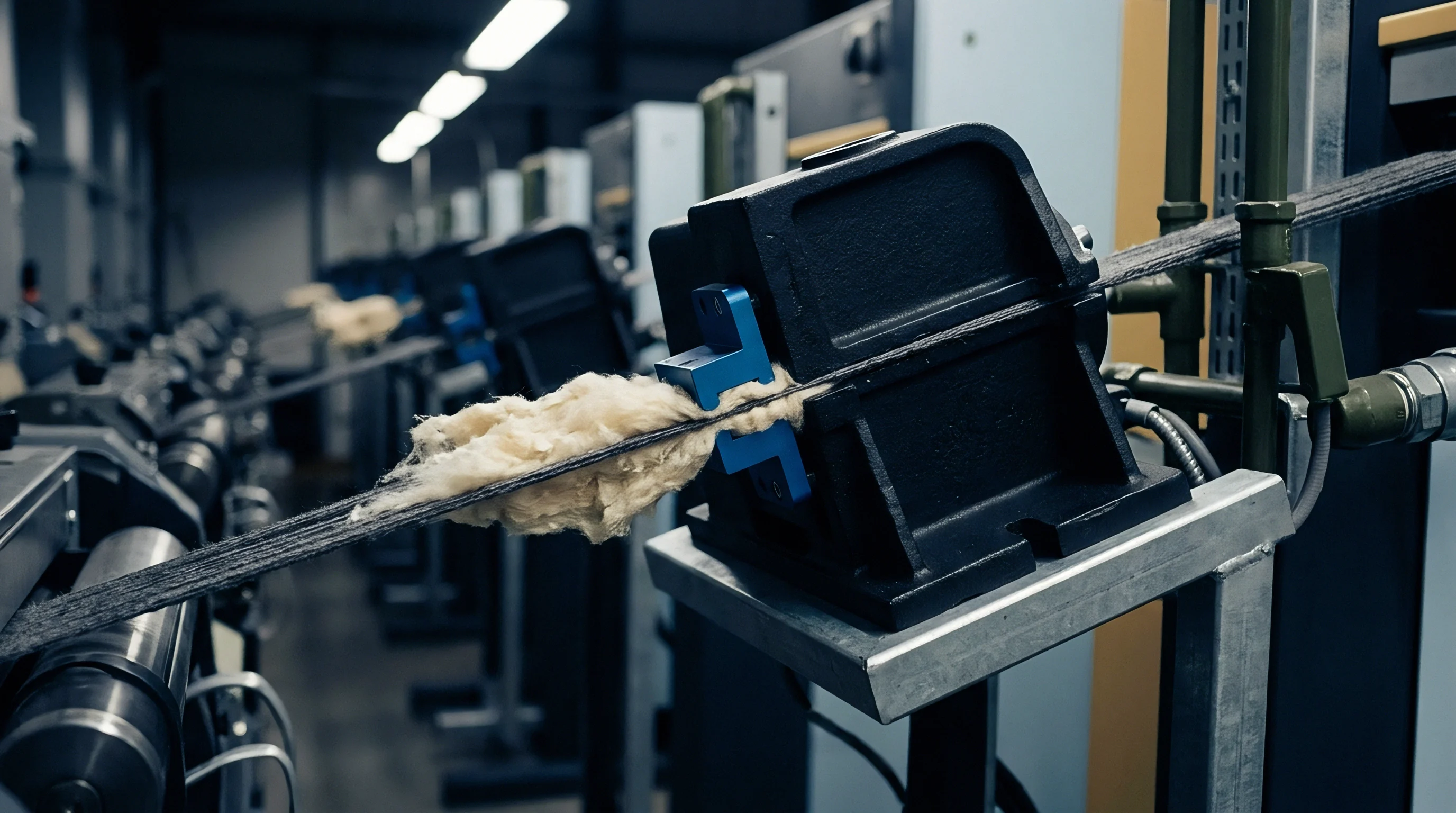
Financial Impact of Weight Adjustments
Small percentages in moisture regain translate to massive financial sums across bulk commodity orders. At a market price of two dollars and twenty cents per kilogram, paying for ninety-eight thousand kilograms costs two hundred fifteen thousand six hundred dollars. Reconciling the invoice to match the commercial mass of ninety-six thousand two hundred twenty-six kilograms drops the final bill to two hundred eleven thousand six hundred ninety-seven dollars.
Moisture determination saves three thousand nine hundred three dollars on a single container lot.
International Cotton Association contract rules govern weight claims arising from moisture variations. Rule 212 explicitly mandates that weight adjustments apply whenever actual moisture regain differs from the contract standard beyond agreed tolerance limits. Contract clauses dictate whether weight adjustments trigger immediately or require a minimum half-percent moisture variance threshold before claims processing begins.


Audit

Sampling Procedures across Compressed Bales
Determining lot moisture requires drawing representative samples from dense cotton packages. Sampling technicians open container doors immediately upon arrival, selecting bales according to a systematic random scheme. Standard audit rules demand sampling at least ten percent of bales in small shipments and five percent in lots exceeding one hundred bales.
Drawing samples promptly prevents atmospheric air exposure from altering surface moisture levels.
Technicians slice outer bale packaging, extracting core samples from deep inside compressed lint layers. Core samples must extend at least fifteen centimeters beneath outer faces. Surface layers exchange moisture rapidly with ambient air, rendering outer tufts unrepresentative of interior lot hydration.
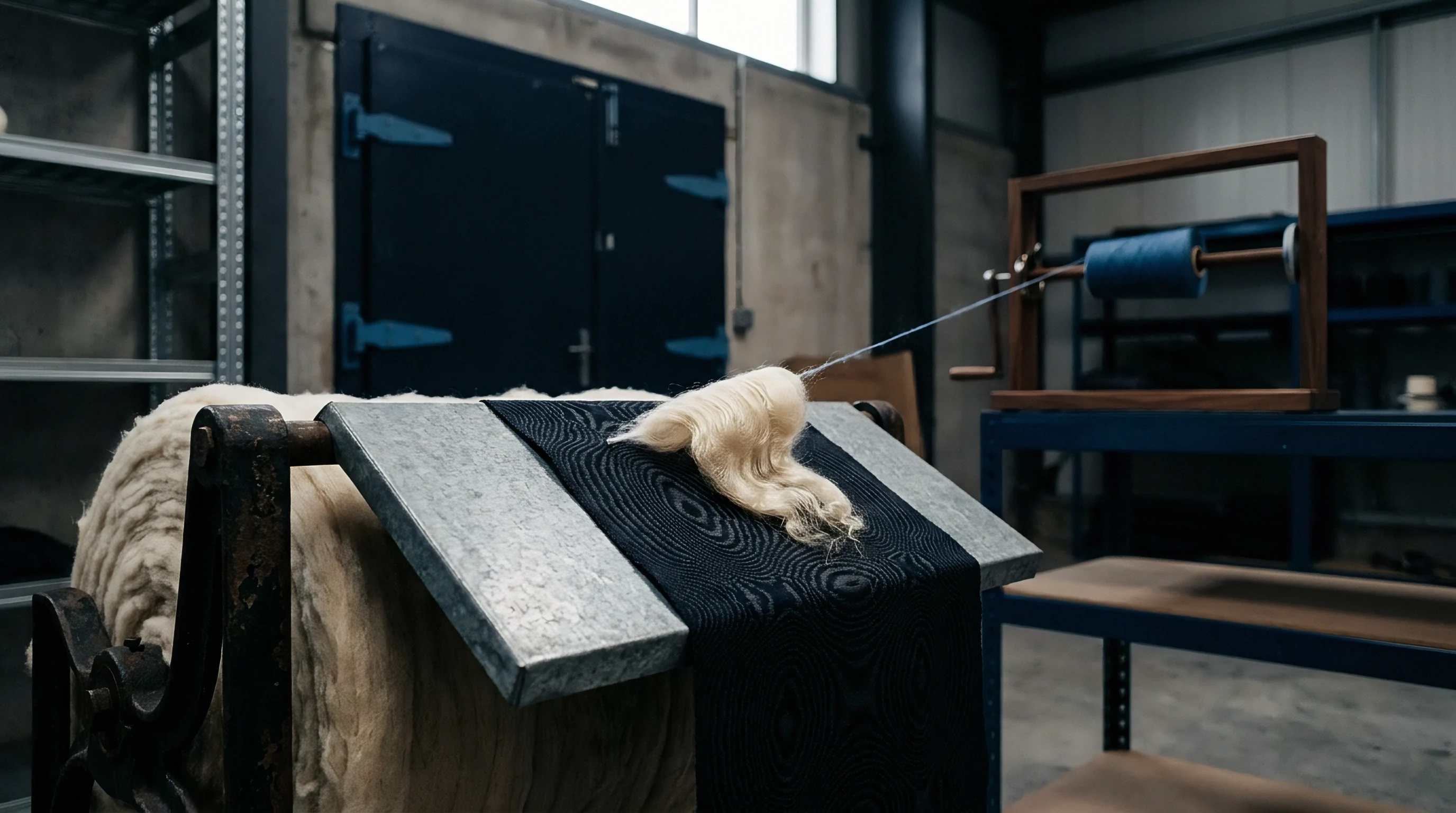
Sources of Error in Field Testing
Field audits suffer from systematic sampling errors when technicians breach testing protocols. Core extraction delays allow water vapour to escape from warm, newly opened bales. Storing samples in unsealed plastic bags prior to lab testing lets ambient air alter moisture readings before scale weighings take place.
- Surface Layer Sampling extracts tufts from outer bale faces, capturing transient atmospheric condensation rather than core hydration levels.
- Sample Container Leakage uses non-sealed bags, allowing moisture evaporation during transport from warehouse loading docks to laboratory scales.
- Inadequate Oven Temperature operates drying chambers below one hundred five degrees Celsius, leaving bound water inside amorphous cell walls.
- Thermal Balance Instability weighs hot sample baskets outside drying ovens without using desiccators, generating upward convection air currents on scale pans.
- Uncalibrated Electronic Probes applies generic calibration curves to cotton lots containing high trash levels or unusual micronaire values.

Cross-Verification of Moisture Meters against Oven Standards
Testing laboratories validate fast electronic probe instruments against direct thermogravimetric drying runs. Probe manufacturers supply default calibration curves programmed into meter microprocessors. Ginning variations, seed varieties, and harvesting conditions alter electrical impedance relationships, necessitating site-specific probe calibration.
| Bale Zone Depth (cm) | Electronic Probe Reading (%) | Oven Drying Reference (%) | Variance Delta (%) |
|---|---|---|---|
| 2 (Outer Shell) | 6.2 | 6.9 | -0.7 |
| 10 (Mid Depth) | 7.8 | 8.1 | -0.3 |
| 20 (Core Zone) | 8.9 | 8.8 | +0.1 |
| 30 (Deep Core) | 9.3 | 9.1 | +0.2 |
Depth variance trends highlight why surface testing fails during dispute resolution. Outer shells dry rapidly under hot warehouse conditions, while dense core zones retain moisture absorbed during ginning operations. Sampling depth guidelines force inspectors to reach deep core zones before certifying lot moisture figures for commercial weight adjustments.
Which calibration curve aligns probe field readings with dry oven testing across humid tropical unloading docks?


Settlement

Contractual Terms and Dispute Resolution
Commercial contracts specify standard framework conditions governing raw cotton delivery and invoice settlement. International trade associations mandate standard regain figures, defining exact steps for claiming weight allowances. Buyers must issue written claim notices within defined time windows after container arrival, backing claims with certified test reports from accredited laboratories.
Contracts designate independent inspection agencies to draw joint samples when origin and destination figures conflict. Joint sampling requires drawing sealed duplicate samples in the presence of buyer and seller representatives. One sample undergoes testing at an accredited neutral laboratory, while the second sample stays sealed for arbitration appeals.

Reconciling Invoice Adjustments
Mill accounting departments calculate weight allowances using certified laboratory test certificates. When lab results prove actual regain exceeds eight point five percent, buyers deduct excess water mass from final invoice amounts. Sellers receive payment exclusively for net commercial mass, eliminating profit margins derived from selling ambient humidity.
Gins that over-humidify lint prior to pressing face commercial penalties beyond simple weight deductions. Excess water causes yellow staining, fiber degradation, and bacterial decay during ocean transit. Mills reject damaged shipments entirely when core moisture readings exceed eleven percent, citing severe quality degradation and health hazards from mold spore formation inside opening lines.

Customs Valuations and Duty Allowances
Border authorities inspect raw cotton shipments to collect import duties based on net product weight. Importing companies submit moisture test certificates to justify downward invoice adjustments on oversaturated container shipments. Tariff schedules require proving that net dry mass calculations follow recognized ISO or ASTM test methods.
Proper moisture documentation prevents double taxation on invisible water mass entering port facilities. Importers holding certified moisture analysis sheets present corrected mass schedules to customs agents, reducing taxable valuation baselines. Rigorous moisture verification secures financial integrity from initial gin press operations through final customs clearance procedures.
The International Cotton Association bylaws establish that buyers forfeit all rights to moisture adjustment claims if official sampling fails to commence within fourteen business days following container discharge at destination ports.