
Determining Commercial Moisture Regain in Raw Cotton Shipments
Commercial cotton weight relies on standard moisture regain adjustments, calculating dry mass through oven drying to settle invoices accurately on net dry fibre.
Commercial cotton weight relies on standard moisture regain adjustments, calculating dry mass through oven drying to settle invoices accurately on net dry fibre.

Textile moisture determination requires gravimetric oven drying at 105°C or Karl Fischer titration to calculate commercial weight and prevent invoice mass errors.
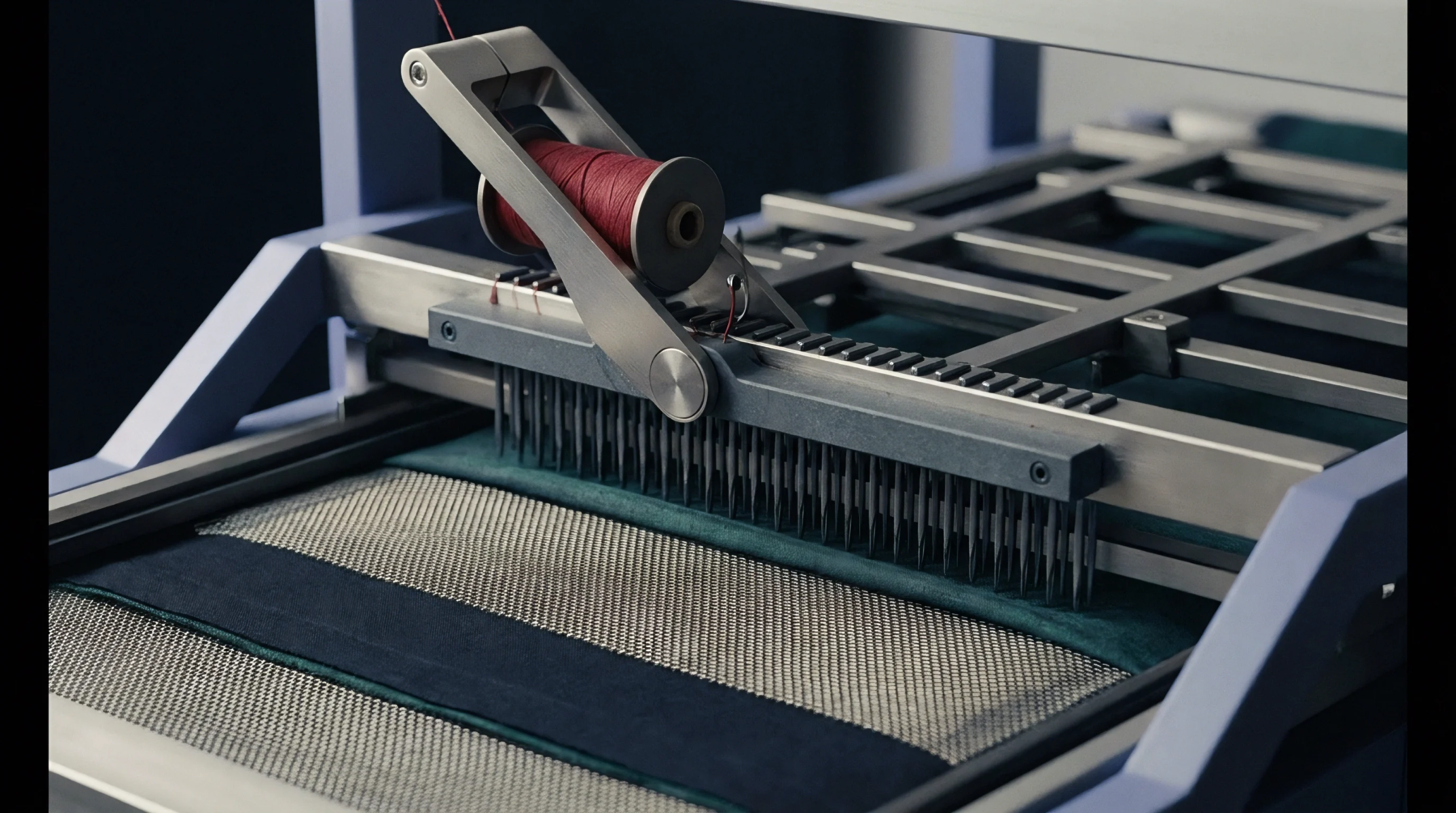
Preconditioning dispute samples at 50°C and 15% RH eliminates sorption hysteresis, ensuring repeatable multi-mill mass and physical testing acceptance.

Determine commercial moisture regain standards through representative bale core sampling and forced-draft oven drying to convert net shipping mass into billable commercial weight.

Correcting cotton yarn density for moisture regain standardizes commercial invoiced mass and prevents package dyeing defects caused by swelling.

Solvent extraction removes non-fibrous sizing and oils before applying statutory moisture regains to clean dry fibre masses for tariff classification.
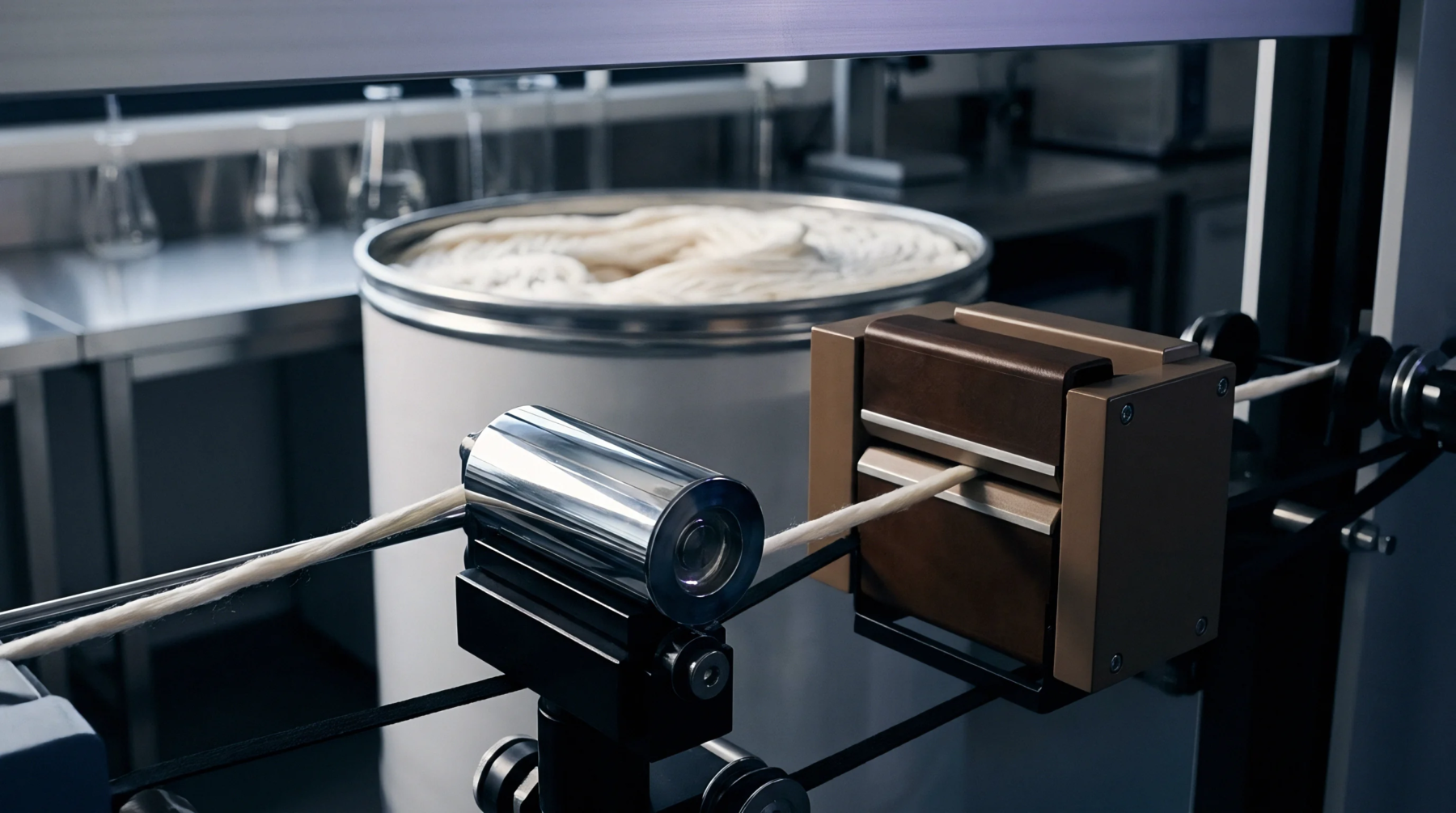
Adjust clean oven-dry mass using official commercial regain percentages to ensure accurate tariff classification and prevent commercial mass invoicing errors.

Baseline moisture allowances convert raw lot weight into commercial mass using ISO regains to prevent paying yarn prices for ambient water.

Accurate direct linear density verification in ring spun yarn demands exact tension control, moisture regain correction, and calibrated specimen lengths.
Expertise is a utility, not a secret. sentiention™ publishes its working knowledge as open reference: intelligence layer covering the materials it sources, the markets it enters, and the reference that serves both.