
Establishing Chemical Compliance Verification Frameworks for Recurrent Fabric Orders
Recurrent fabric compliance demands batch-level analytical testing, scope-matched transaction certificates, and mill auxiliary chemical audit controls.
Recurrent fabric compliance demands batch-level analytical testing, scope-matched transaction certificates, and mill auxiliary chemical audit controls.
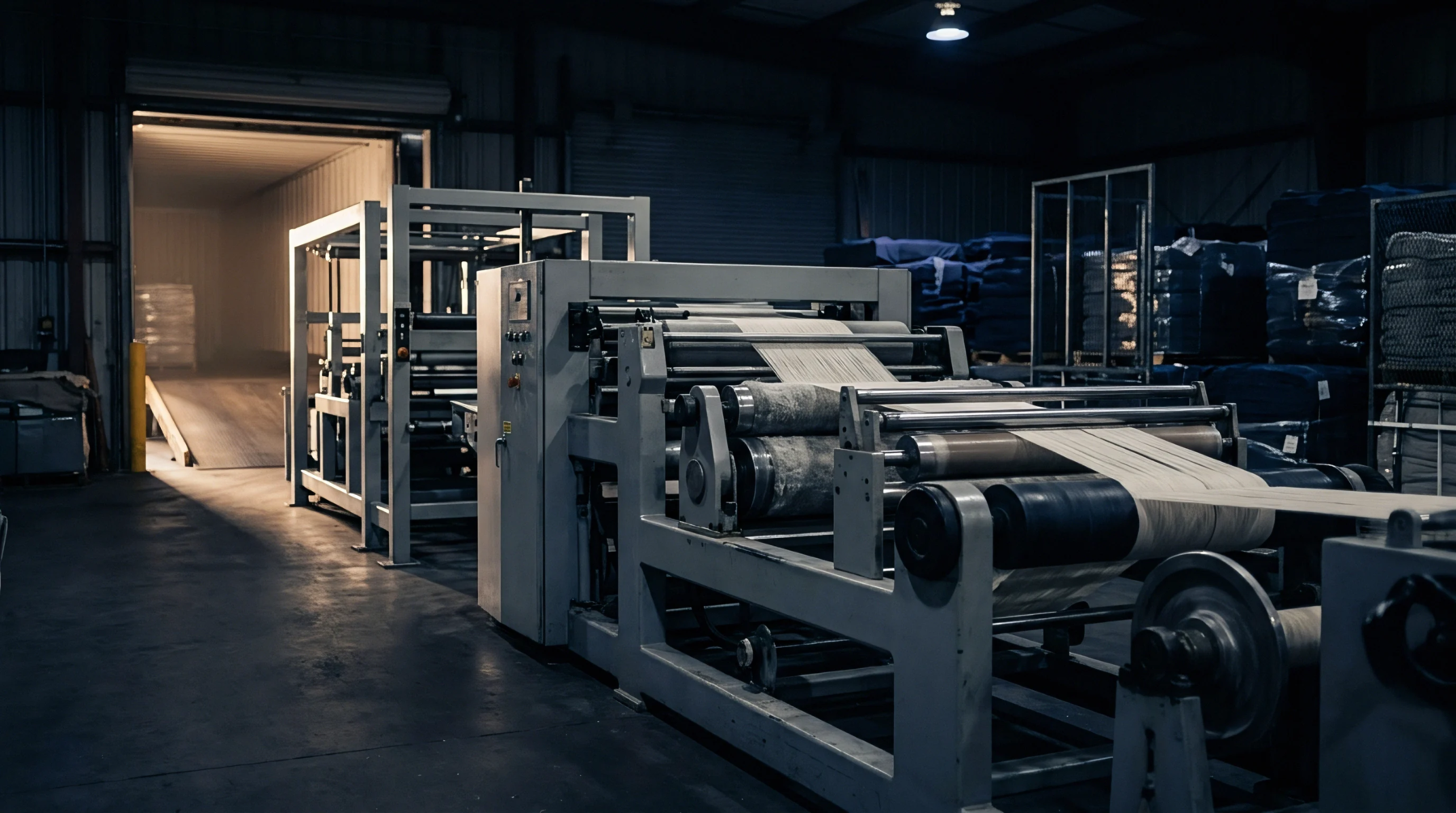
Subcontracted dyehouse failures create direct financial liabilities through unverified chemical additions, requiring strict retest protocols and PO cost allocation.

Structured tripartite deeds and letter of credit chemical release covenants transfer restricted substance liability directly to subcontracted wet processing mills.

Retest variance allocation requires contractual uncertainty bands and automated cost-shifting mechanisms when secondary testing confirms chemical non-compliance.

Fabric swatch dispute resolution requires unbroken physical custody logs, transaction certificates matched to roll tags, and ISO 17025 split-sample testing.

Calculate converting indemnity reserves by aggregating full cut-and-sew garment losses, freight, retests, and disposal rather than processing fees alone.

Baseline chemical retesting metrics for imported woven textiles require statistical lot sampling, matrix-matched analytical methods, and clear retest clauses.

Composite fiber testing dilutes localized chemical contamination while wet processing alters analyte extraction, demanding matrix-adjusted reporting thresholds.

An OEKO-TEX certificate scope covers only explicitly listed article descriptions, leaving chemically modified sister constructions uncertified without separate testing.

Standardized chemical limit verification in primary dyeing requires lot-level analytical testing linked to transaction certificates rather than factory scope documents.
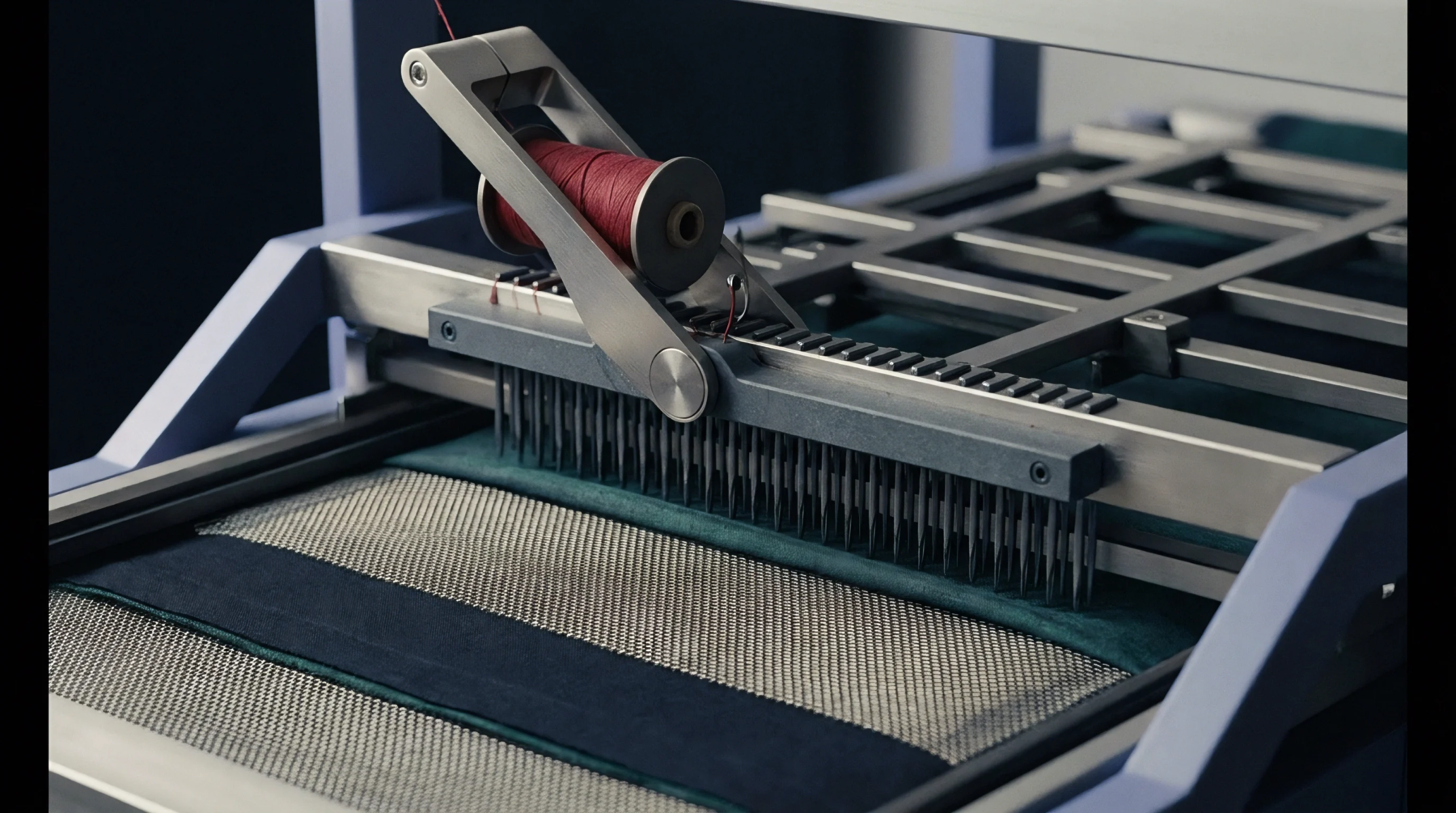
Unified chemical threshold matrices enable multi-market fabric clearance by harmonizing the strictest global limits into single-lot test protocols.

Statistical acceptance sampling for restricted chemical finishes requires composite dilution accounting to protect buyers from hazardous batch contamination.

Global textile import compliance requires matching exact article specifications against legal chemical limits using lot-traceable ISO 17025 test dossiers.

Verify mid-run expired scope certificates by auditing automated dyehouse dosing timestamps against certifier extension rules and ISO 17025 chemical retesting.

ISO 17025 envelope testing establishes clearance by testing worst-case chemical and physical fabric boundaries to clear full material families across markets.

Flowing restricted substance lists to subcontracted dyehouses demands batch-level chemical tracking, verified bath controls, and explicit back-to-back testing indemnity.

Subcontracted garment washing introduces unlisted auxiliary contaminants that invalidate scope certificates and require batch-level analytical verification.

Subcontracted wet processing liability requires explicit pass-through indemnity clauses and batch-linked transaction certificates to bind sub-tier dyehouses.
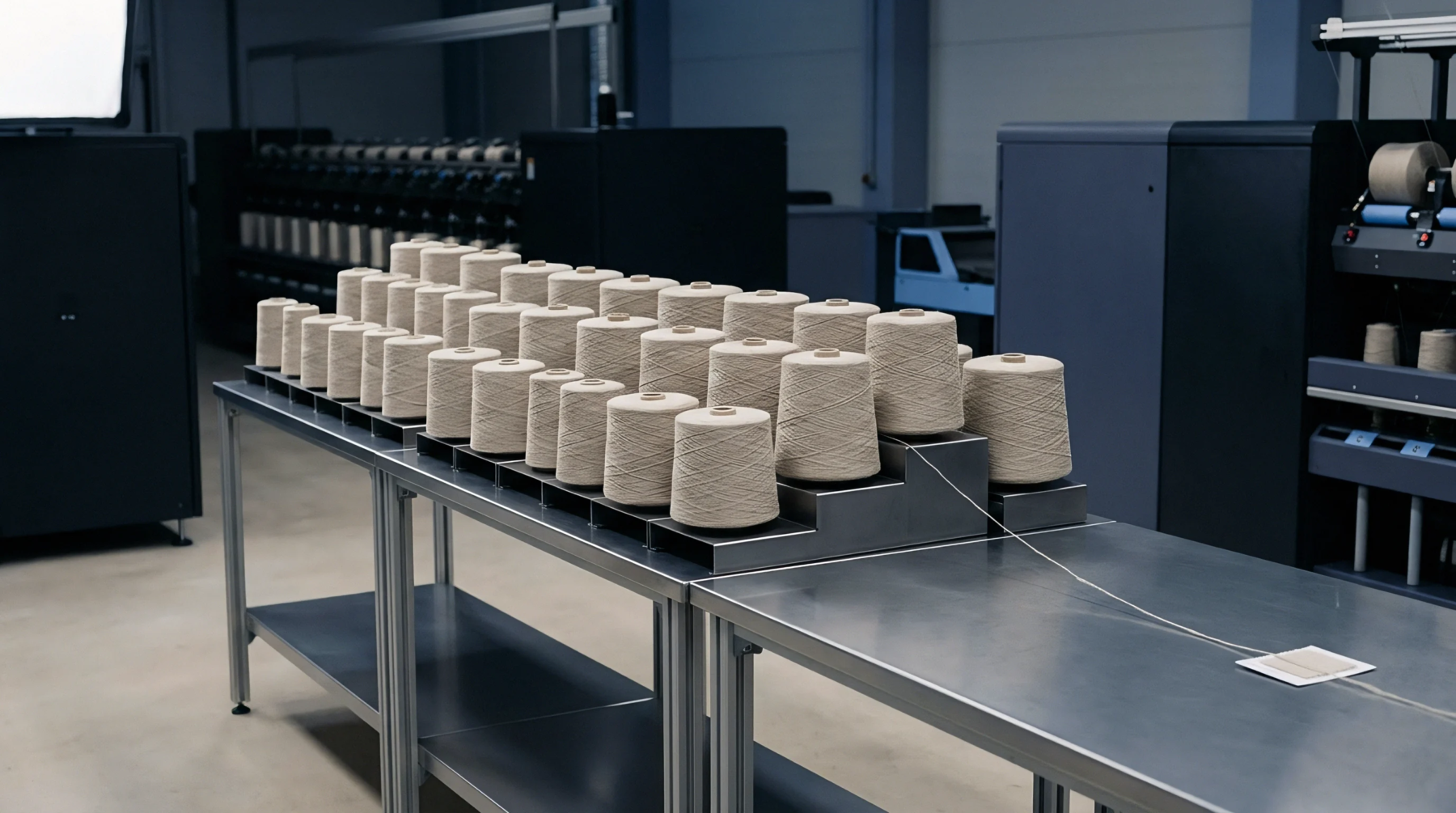
When a bulk batch fails primary testing, the mill pays for accredited retests if counter-sample analysis confirms non-compliance under contract terms.
Expertise is a utility, not a secret. sentiention™ publishes its working knowledge as open reference: intelligence layer covering the materials it sources, the markets it enters, and the reference that serves both.