
Establishing Chemical Compliance Verification Frameworks for Recurrent Fabric Orders
Recurrent fabric compliance demands batch-level analytical testing, scope-matched transaction certificates, and mill auxiliary chemical audit controls.
Recurrent fabric compliance demands batch-level analytical testing, scope-matched transaction certificates, and mill auxiliary chemical audit controls.

Managing fluorinated chemical risk in recycled synthetics demands total fluorine screening, targeted LC-MS testing, and strict batch transaction certificate tracking.

Structured tripartite deeds and letter of credit chemical release covenants transfer restricted substance liability directly to subcontracted wet processing mills.

Fluorochemical compliance disputes demand standardized extraction solvents, split-sample protocols, and pre-allocated retest liabilities in purchase orders.
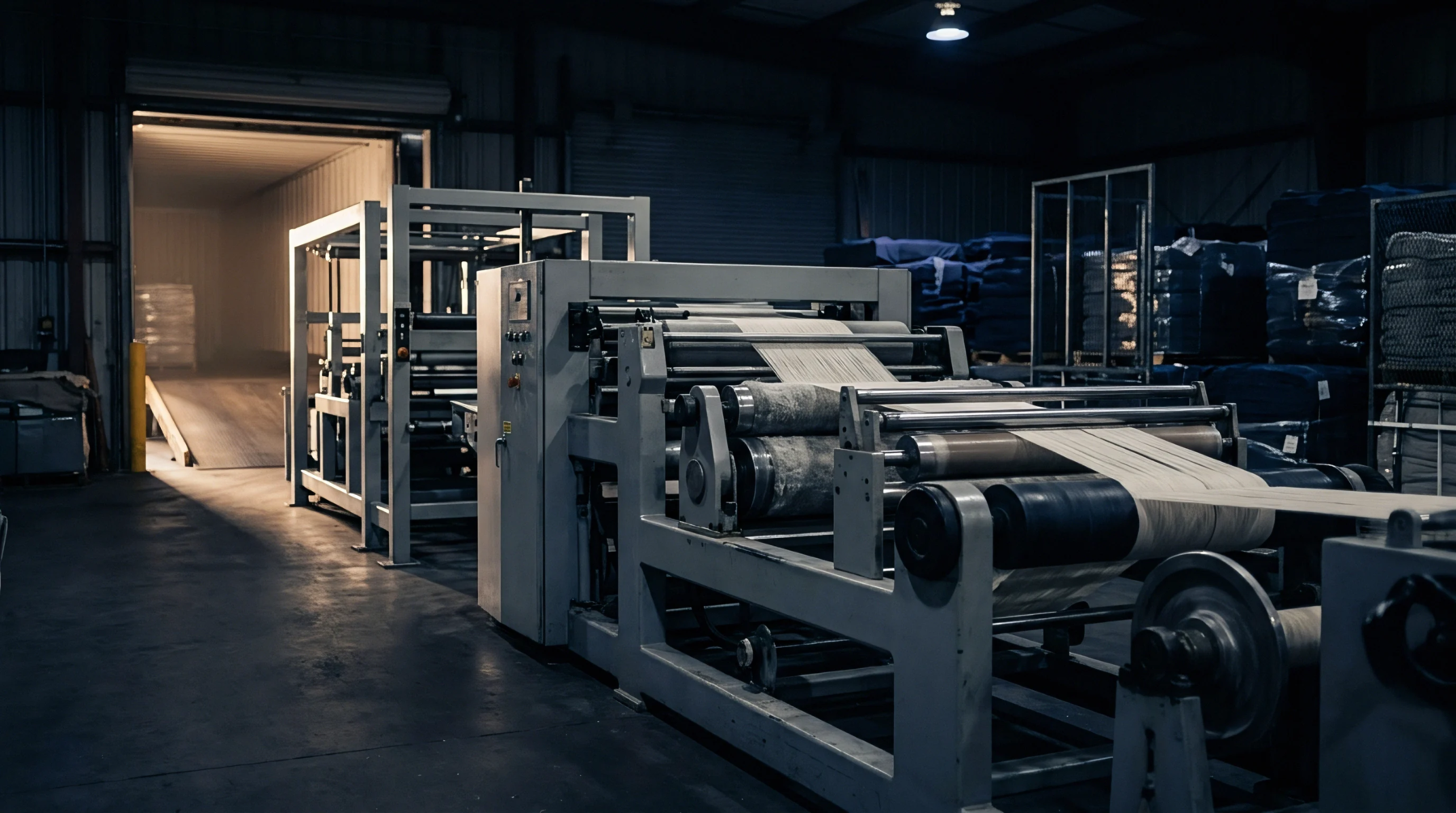
Enforcing PFAS bans at subcontracted wet processors requires tracking organofluorine partitioning in wastewater filter cake using total fluorine testing.

Resolving transpacific fluorinated residue disputes requires combining total organic fluorine screening with targeted mass spectrometry pre-washed tests.
Subcontracted garment washing introduces unlisted auxiliary contaminants that invalidate scope certificates and require batch-level analytical verification.

Subcontracted wet processing liability requires explicit pass-through indemnity clauses and batch-linked transaction certificates to bind sub-tier dyehouses.

Confirmed chemical non-compliance requires immediate split-sample secondary retesting under ISO 17025 protocols to enforce contractual indemnity and landed cost recovery.
Expertise is a utility, not a secret. sentiention™ publishes its working knowledge as open reference: intelligence layer covering the materials it sources, the markets it enters, and the reference that serves both.