
Positional Chemical Variation across Textile Roll Width
Uneven roller pressure and lateral thermal migration create severe chemical disparities across roll width, causing localized compliance failures.
Uneven roller pressure and lateral thermal migration create severe chemical disparities across roll width, causing localized compliance failures.

Enforceable conversion contracts bind wet processors to restricted substance lists through technical annexes, accredited batch testing, and quarantine holds.

Maintain uninterrupted textile compliance by requiring scope certificate validity sixty days past vessel arrival and tying payment release to valid transaction certificates.
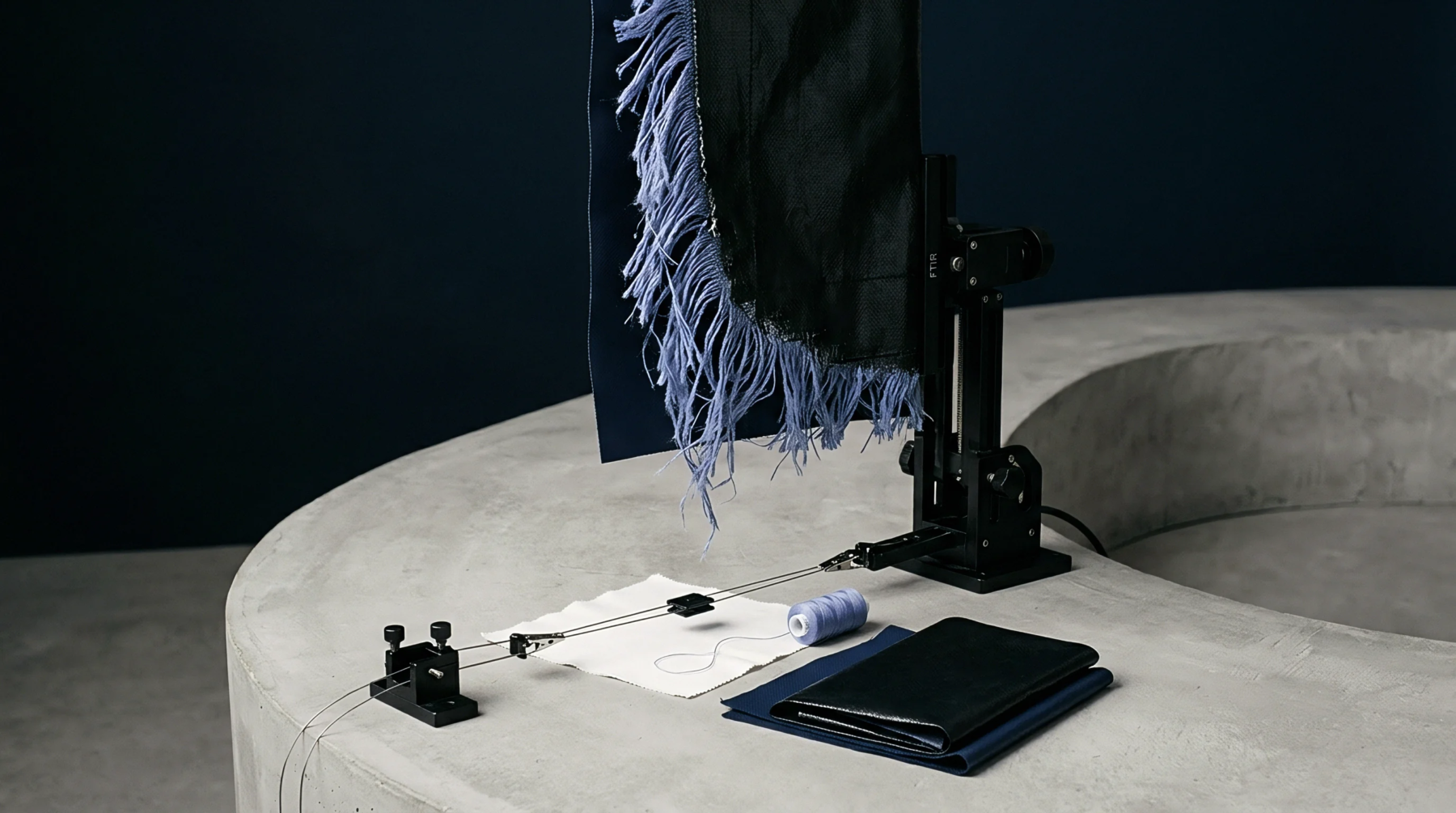
Statistical verification of laboratory thermal slope logs prevents false negative restricted substance dossiers and protects importers from customs detentions.

Statistical skip lot schemes lower textile testing costs only when dye house inputs stay locked and failure triggers force instant 100 percent re-inspection.

Cross border chemical retests demand exact matching of solvent polarities, extraction temperatures, and specimen shred sizes to resolve audit discrepancies.

An OEKO-TEX certificate scope covers only explicitly listed article descriptions, leaving chemically modified sister constructions uncertified without separate testing.

Stratified edge to middle textile sampling eliminates Consumer Risk by capturing process chemical gradients that simple random attribute inspection hides.

Greige fabric certification demands batch testing of sizing agents, spin finishes, and biocide residues before finishing treatments mask regulated chemicals.

Reduced verification screening matrices replace full quantitative panels on repeat orders with rapid indicator screening and adjusted composite pooling math.

Subcontracted dyehouse chemical compliance depends on lot-level testing schedules aligned with substrate risk and auxiliary flowdown.

Verify mid-run expired scope certificates by auditing automated dyehouse dosing timestamps against certifier extension rules and ISO 17025 chemical retesting.

Flowing restricted substance lists to subcontracted dyehouses demands batch-level chemical tracking, verified bath controls, and explicit back-to-back testing indemnity.

Subcontracted extract dossiers require temperature coefficient corrections and membrane sorption controls to prevent regulatory non-compliance.

Cross-web chemical variances require three-point variable acceptance sampling to prevent edge-concentration hotspots from triggering border detentions.
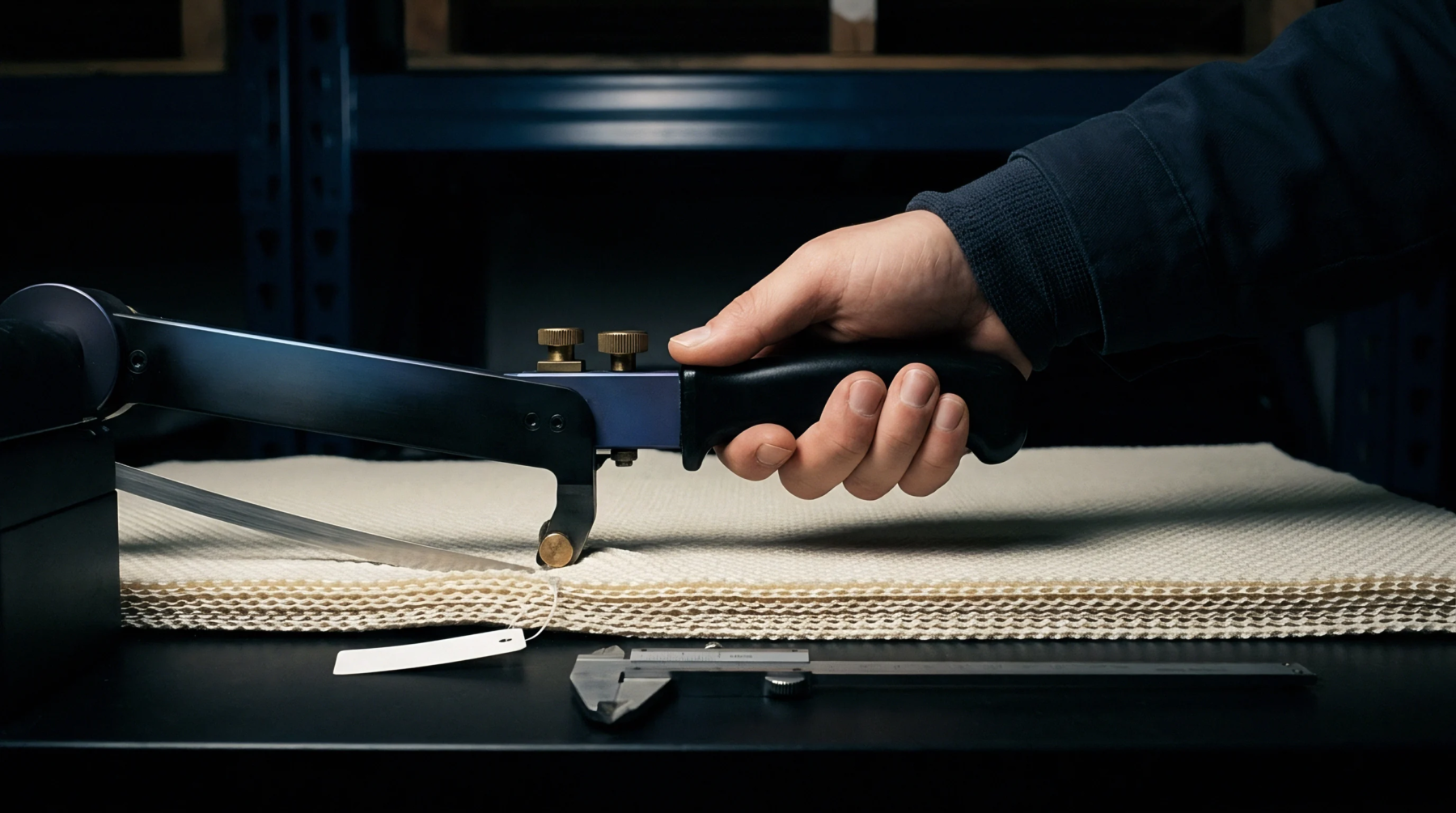
Physical swatch position across fabric width and length determines chemical compliance, requiring three-point cross-web sampling to validate batch pass status.
Expertise is a utility, not a secret. sentiention™ publishes its working knowledge as open reference: intelligence layer covering the materials it sources, the markets it enters, and the reference that serves both.