
Standard Chemical Concentration Limits for Global Textile Clearance
Global textile clearance mandates matching chemical laboratory extraction limits to batch-specific transaction certificates before containers arrive at border entry.
Global textile clearance mandates matching chemical laboratory extraction limits to batch-specific transaction certificates before containers arrive at border entry.

Uneven roller pressure and lateral thermal migration create severe chemical disparities across roll width, causing localized compliance failures.

Ocean transit microclimates hydrolyze textile finishes, requiring desiccant dimensioning and mill-level curing stabilization to clear destination surveillance.

Enforceable conversion contracts bind wet processors to restricted substance lists through technical annexes, accredited batch testing, and quarantine holds.

Standardized chemical limit verification in primary dyeing requires lot-level analytical testing linked to transaction certificates rather than factory scope documents.
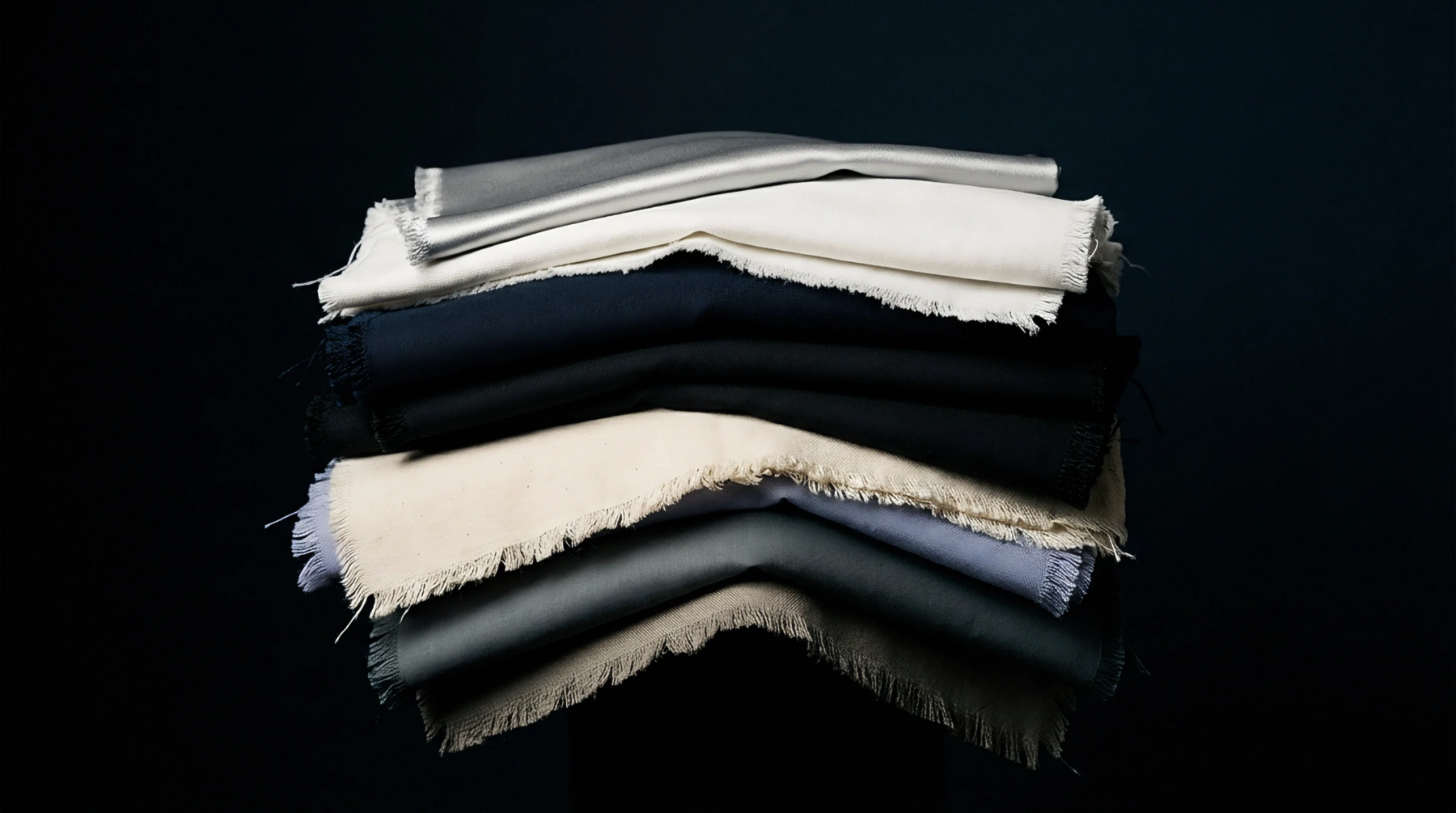
Stratified edge to middle textile sampling eliminates Consumer Risk by capturing process chemical gradients that simple random attribute inspection hides.

Verify mid-run expired scope certificates by auditing automated dyehouse dosing timestamps against certifier extension rules and ISO 17025 chemical retesting.
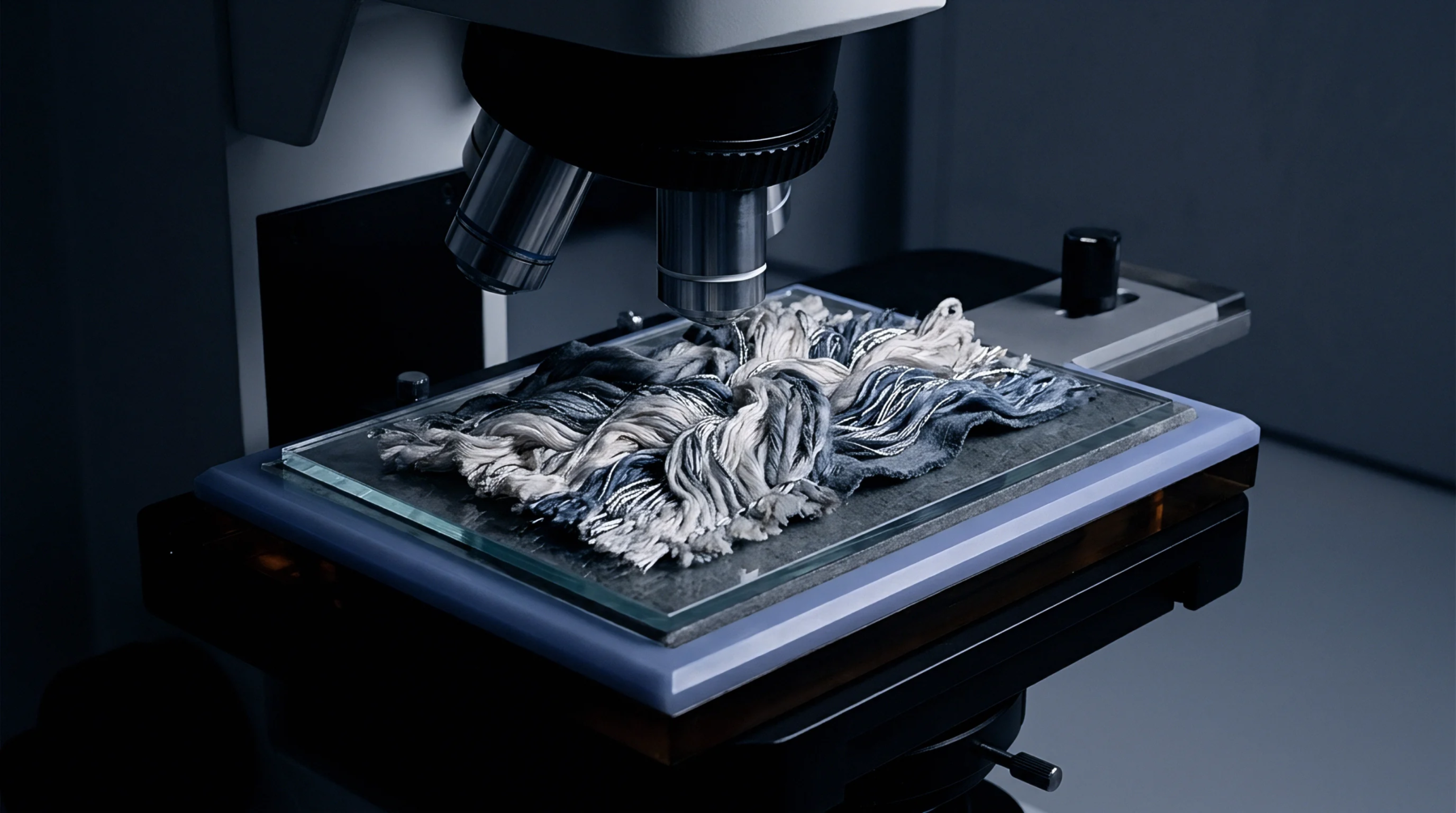
Flowing restricted substance lists to subcontracted dyehouses demands batch-level chemical tracking, verified bath controls, and explicit back-to-back testing indemnity.

Shipments dispatched after certificate expiry lose legal compliance standing, triggering customs holds, analytical testing costs, and invoice chargebacks.

Process drift on repeat textile orders requires mill-floor indicator testing backed by statistical skip-lot laboratory verification to prevent RSL border holds.
Expertise is a utility, not a secret. sentiention™ publishes its working knowledge as open reference: intelligence layer covering the materials it sources, the markets it enters, and the reference that serves both.