
Polymer Crosslink Degradation in Cellulosic Fabric Wet Processing
Polymer crosslinks in cellulosic fabric wet processing degrade via acid-catalyzed glycosidic cleavage during high-temp baking and wet post-reprocessing cycles.
Polymer crosslinks in cellulosic fabric wet processing degrade via acid-catalyzed glycosidic cleavage during high-temp baking and wet post-reprocessing cycles.
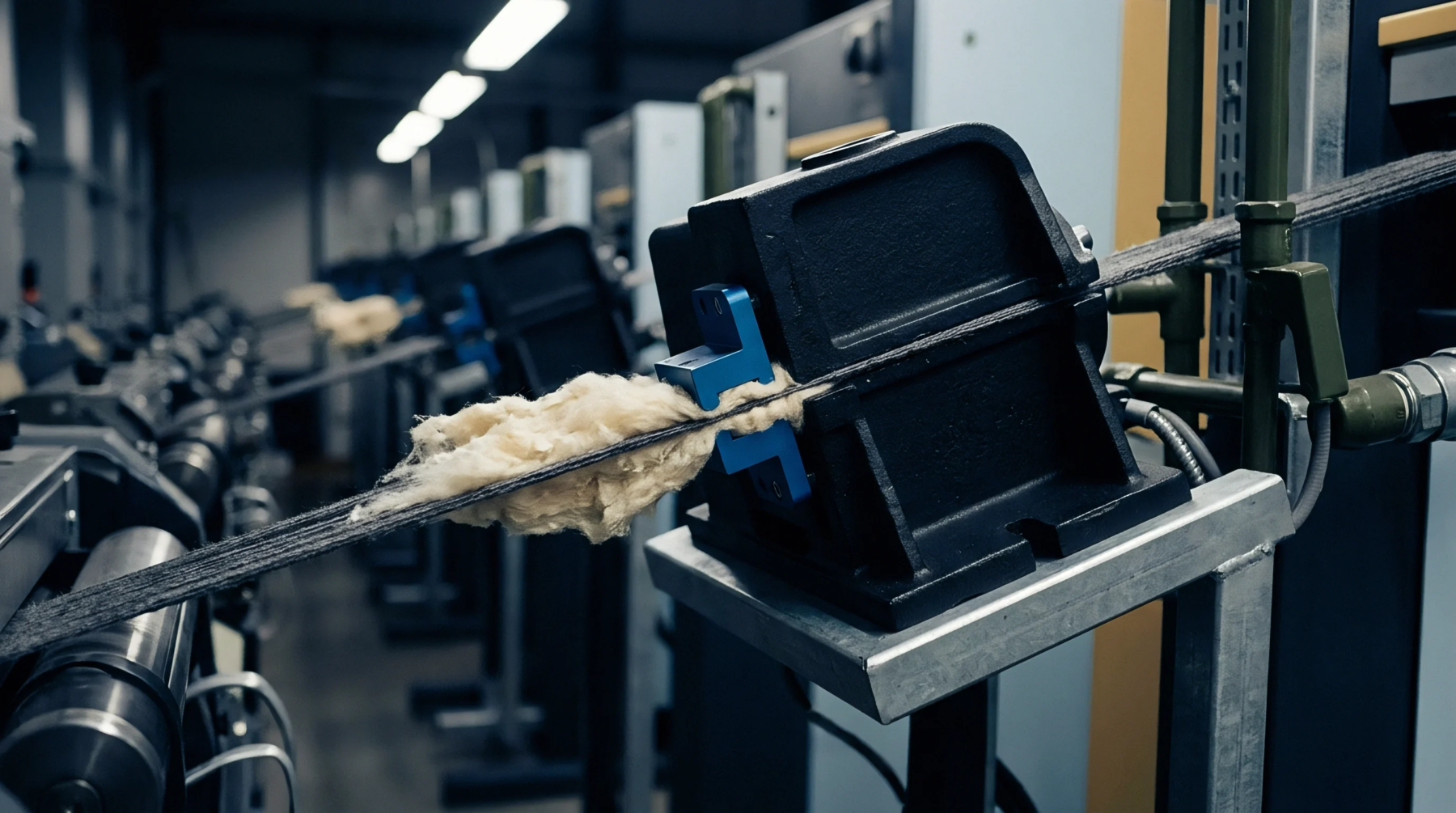
Exceeding 3.5 elastane draft without heat-setting crosslinking causes sheath slip under prolonged static load.

Spin finish deposits inside vortex chambers shift fluid boundary layer friction, increasing yarn hairiness and degrading tenacity during high-speed runs.

Low liquor ratio cotton dyeing demands progressive alkali profiling to suppress early hydrolysis, match bath exhaustion, and eliminate bulk shade streakiness.

Optimizing liquor ratios requires balancing steam and salt savings against pump turnover rates to prevent severe shade unlevelness and mechanical creasing.

Progressive electrolyte metering controls reactive dye strike rates on heavy duck canvas in low liquor jets, preventing unlevelness and core shading defects.

Yarn ply twist multiplier controls intra-bundle pore radius; multipliers above 4.0 cause surface ring-dyeing frosting while values under 3.2 provoke migration.

Preventing filament damage in micro denier elastomeric warp knits demands precise beam tension control, strict stenter thermal capping, and low-shear jet scouring.
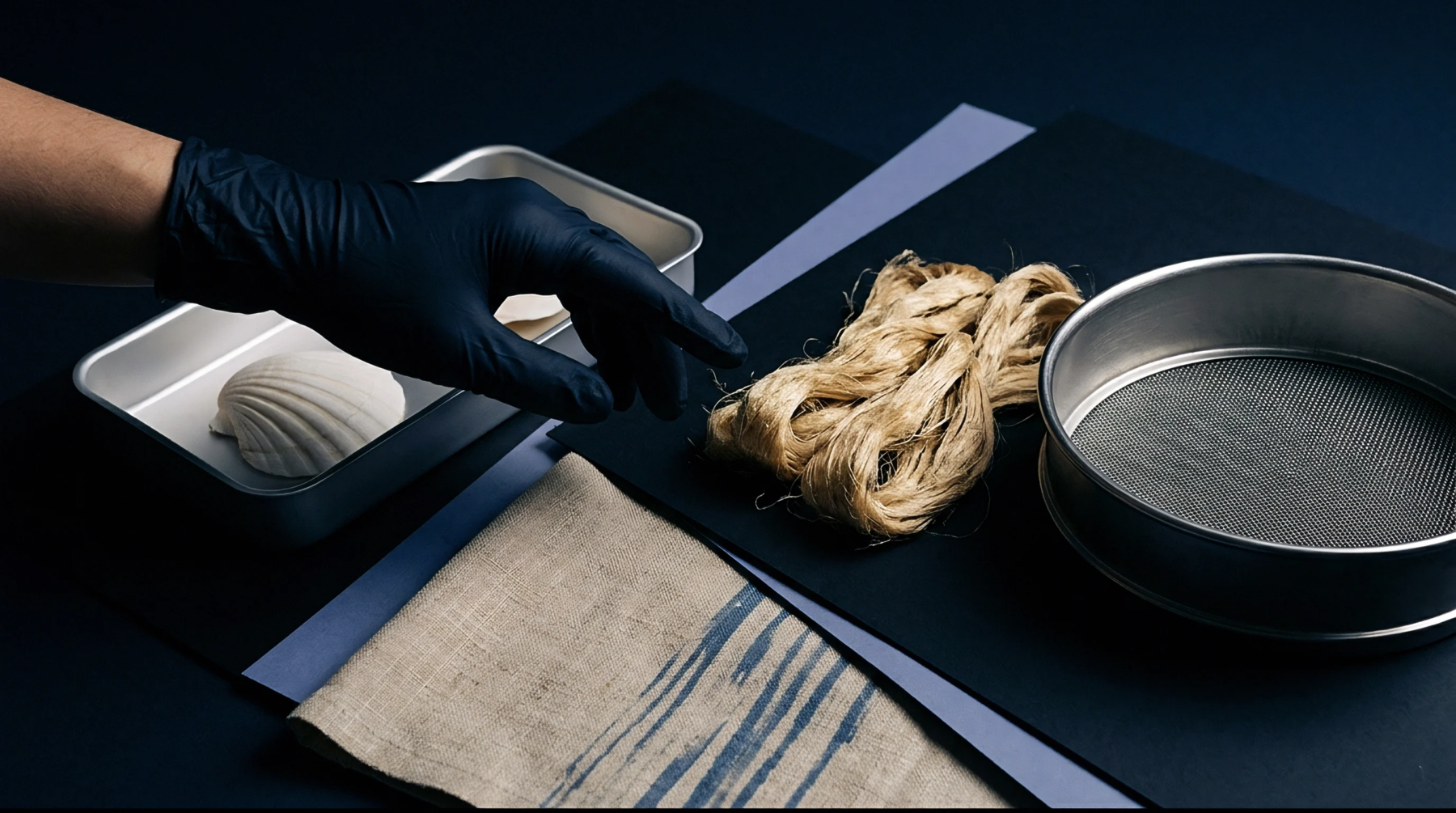
Verify dry mass under ISO 6741 oven testing to ensure yarn invoices bill official regain allowances rather than trapped atmospheric water.
Expertise is a utility, not a secret. sentiention™ publishes its working knowledge as open reference: intelligence layer covering the materials it sources, the markets it enters, and the reference that serves both.