Mass Variation
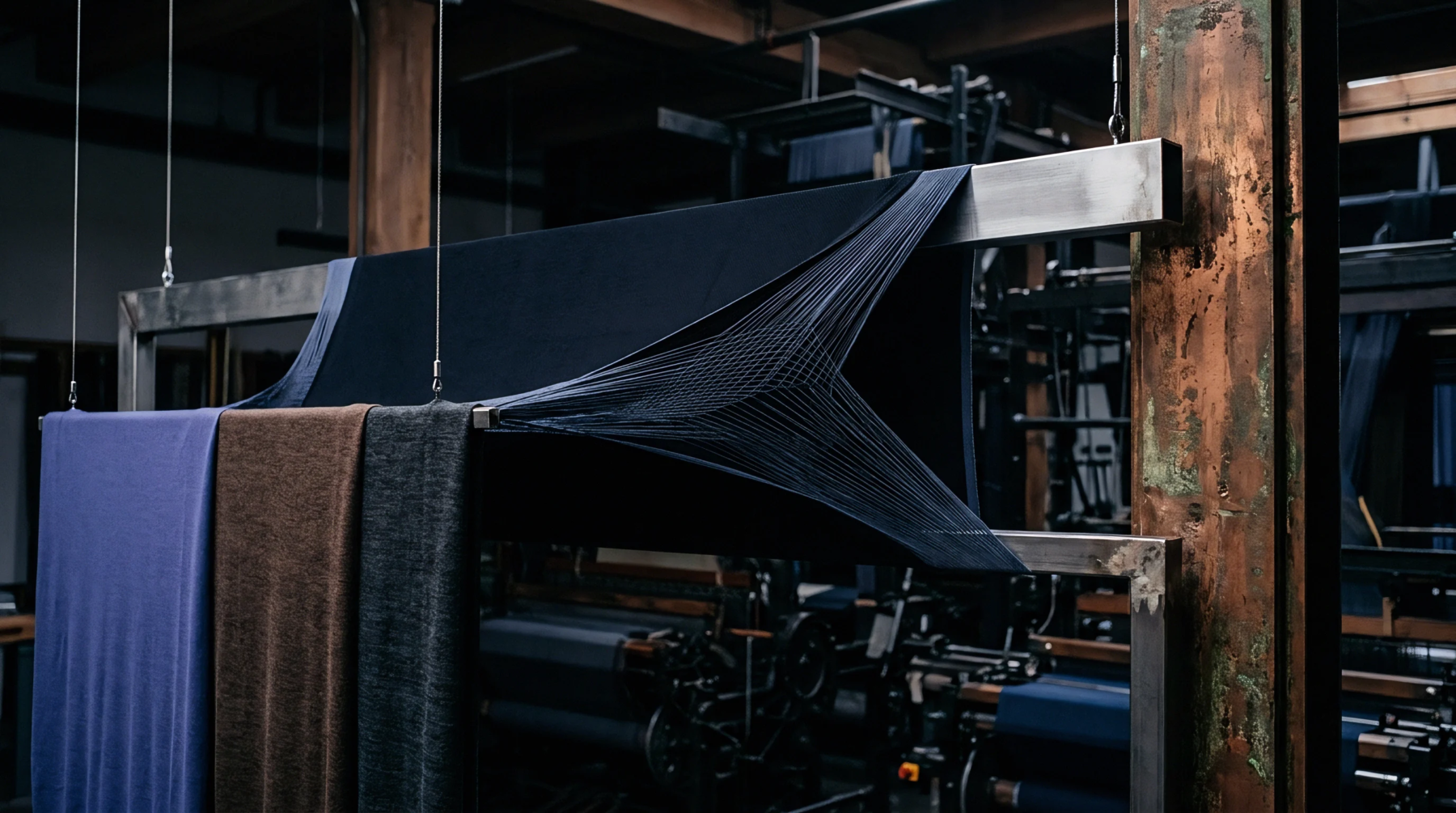
Unintended fluctuations in the mass per unit area of unprocessed cloth occur during the weaving or knitting phase. Within a manufacturing facility, greige weight drift indicates a departure from the target grams per square metre before any chemical treatments take place. This variation signals a lack of control in the yarn delivery or the mechanical settings of the machine.
Process Causation
Fluctuations in the moisture content of the yarn or inconsistent tension on the warp beams often lead to these changes. When greige weight drift appears in a batch, it usually stems from a mechanical wear in the take-up rollers or a change in the ambient humidity of the shed. Small shifts in the stitch length on a circular knitting machine will produce a lighter or heavier fabric than the specification requires.
Downstream Effect
Inconsistent base material complicates the dyeing process because the chemical absorption rate depends on the density of the fibres. If greige weight drift results in a fabric that is too heavy, the dye penetration may be uneven or the hand feel may become too stiff after finishing. Garment makers find it difficult to maintain consistent sizing when the base weight of the fabric varies between rolls.
Monitoring Protocol
Technicians must check the weight of the cloth at every shift change to catch deviations early. Electronic scales and on-loom sensors provide the data needed to correct greige weight drift by adjusting the machine speed or yarn feed rate. Accurate records protect the mill from claims regarding sub-standard material.