Weaving Dimension Determination
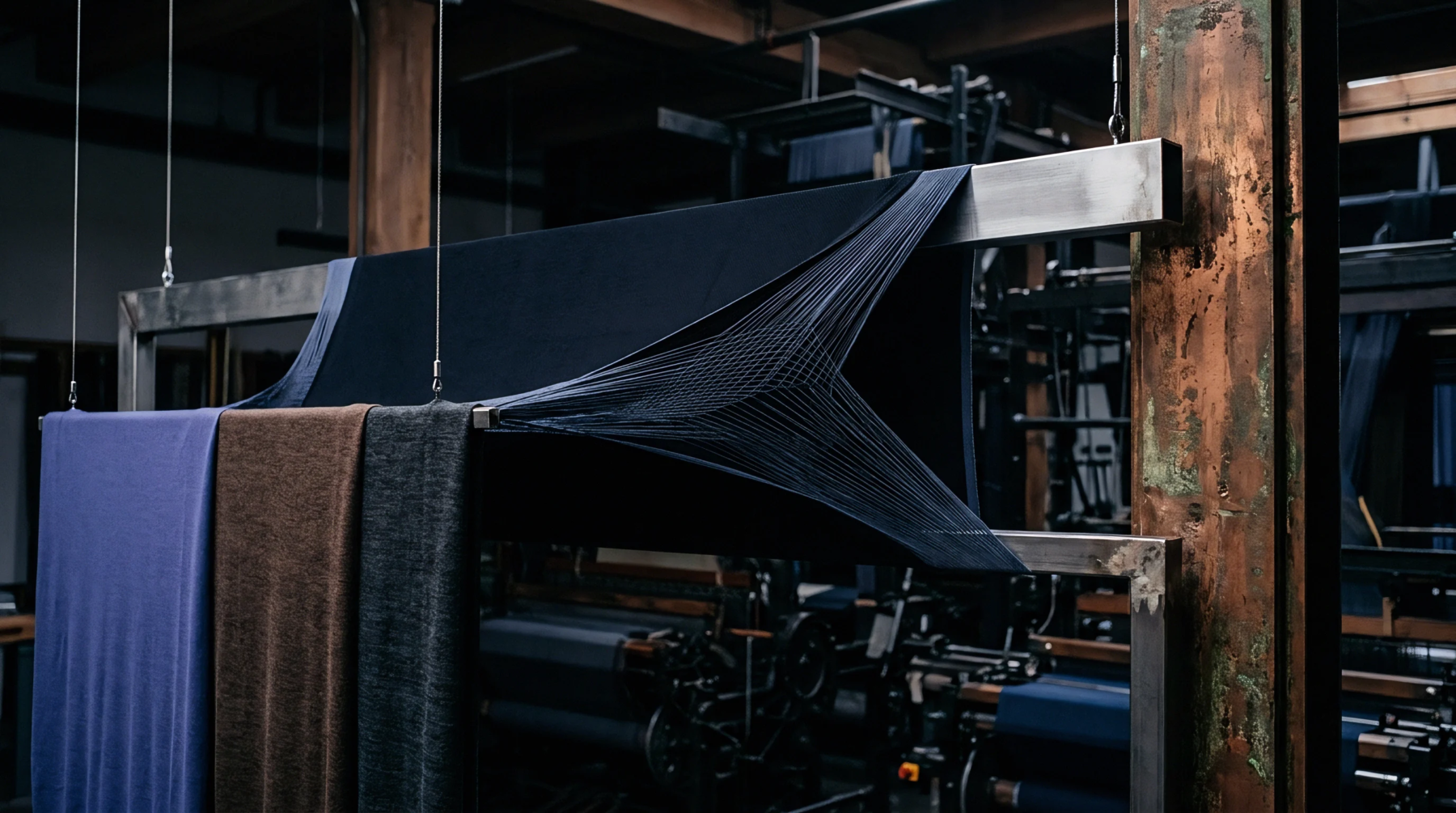
Fabric construction limits depend upon the precise measurement of space between the internal boundaries of a loom frame. reed width calculation establishes the exact horizontal reach required for yarn interlacing before shrinkage occurs during finishing cycles. Production managers calculate this value by multiplying the finished textile width by the warp density adjustment factor while adding two percent for loom state elasticity. Mills verify these values during the initial beam setup to prevent mechanical interference between moving harnesses and the slay.
Spatial Adjustment Mechanics
Mechanical settings rely upon the variance between the desired grey width and the final consumer specification. Operators subtract the projected shrinkage percentage from the final width requirement to determine the necessary density at the reed. Yarn tension influences this expansion during the beating cycle of the shuttle or projectile.
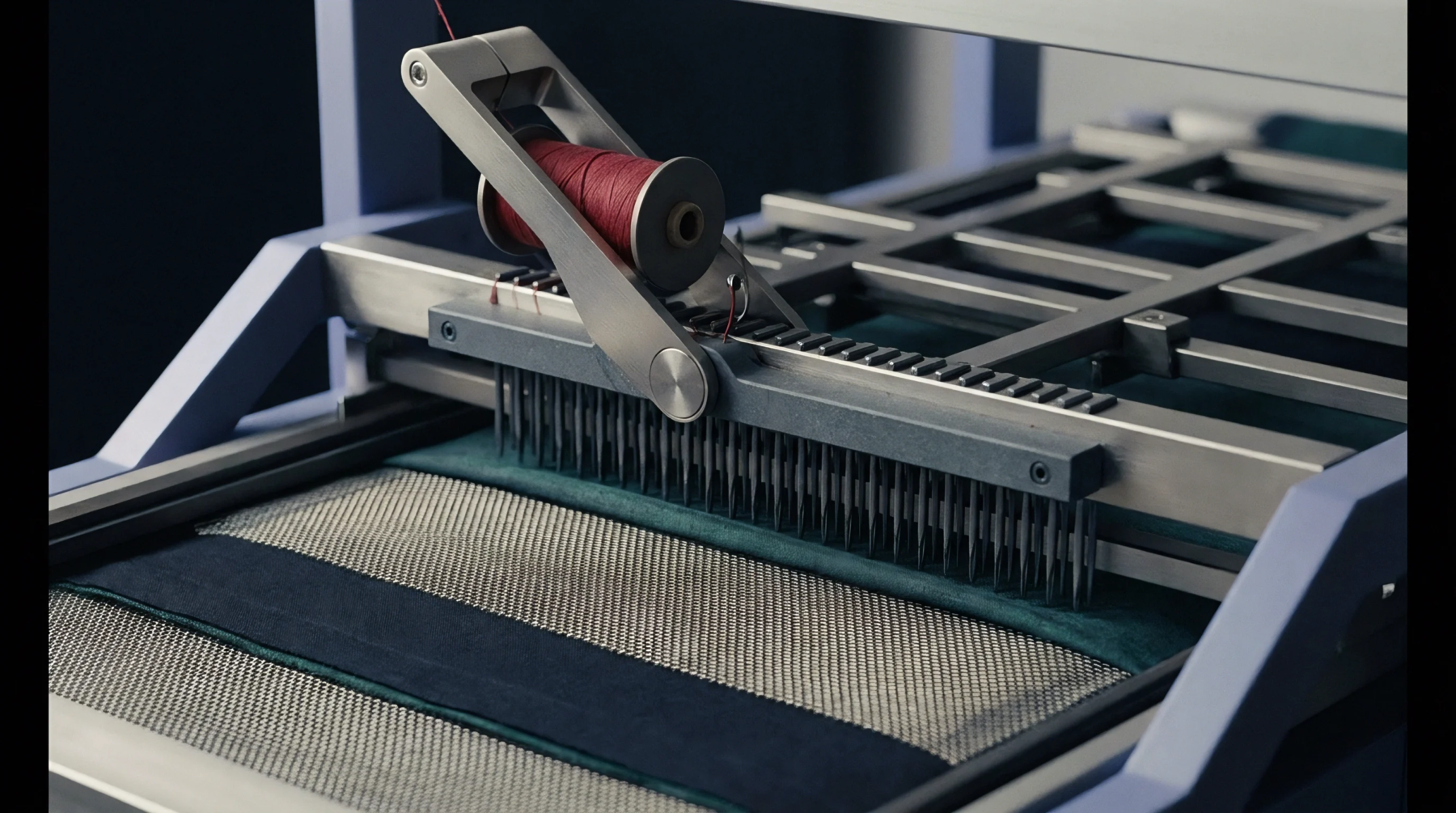
Errors in this geometric assessment cause irregular selvedges or permanent distortion in the final cloth weight. High density synthetic filaments demand tighter margins than natural fibres because their structural memory resists lateral movement. Accurate settings prevent warp breakage when yarn bundles rub against the steel dents.
Production Capacity Constraint
Warp alignment impacts the total output potential for high volume machinery running standard goods. Machines occupy floor space based on the maximum reed width calculation allowed by the frame aperture. Technicians identify the point where the yarn sheet exceeds the mechanical throw of the picking mechanism to set safety limits.
Manufacturers shift production between light weight cotton and heavy industrial canvas by swapping out reeds rather than adjusting the frame. The capacity of a factory unit limits the maximum width of goods produced without significant investment in heavy gauge looms.
Calibration Accuracy Requirement
Quality control departments demand verification of these dimensions before loom engagement to avoid heavy waste of raw inputs. Technicians measure the distance from the first active dent to the final active dent to ensure the reed aligns with the warp beam capacity. Discrepancies between the calculated width and the installed reed result in uneven tension profiles that ruin batch integrity.
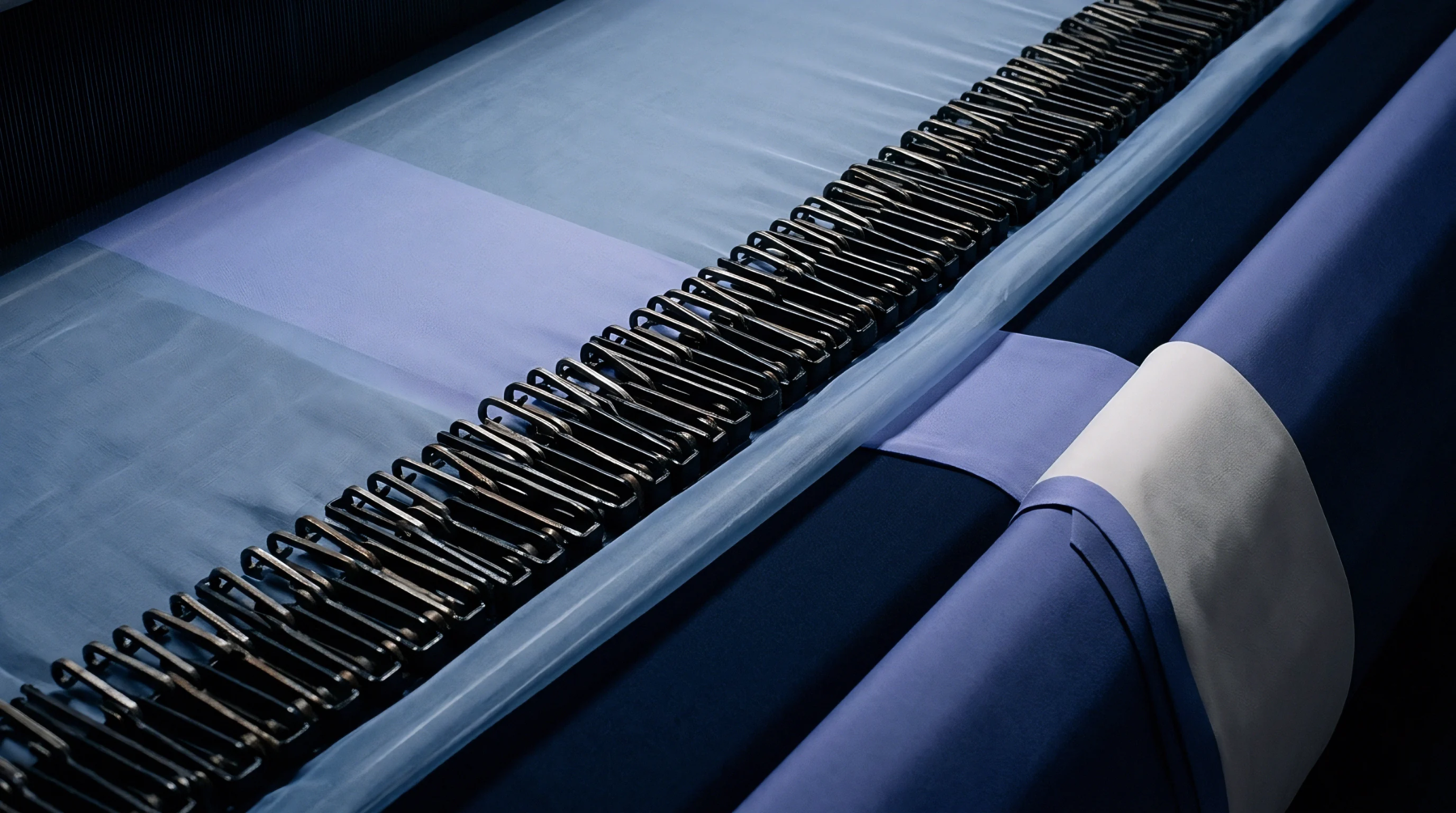
Mills utilize digital sensors to monitor the horizontal spread of warp ends as the reed moves back and forth. Proper validation ensures the warp sheet matches the harness capacity exactly. Uniform spacing across the entire width provides the necessary tension for consistent fabric thickness throughout the entire length of the production run.
The final specification relies on the interplay between the reed geometry and the inherent stretch of the textile.