
Determining Fabric Mass and Width Specifications in Woven Sourcing
Specify conditioned mass under ISO 3801 and minimum cuttable width excluding selvedges to lock in garment yield and protect unit production economics.
Specify conditioned mass under ISO 3801 and minimum cuttable width excluding selvedges to lock in garment yield and protect unit production economics.

Stabilizing hard segment crystallization via controlled thermal quenching and stenter dwell times eliminates elastomeric creep and width variation in stretch goods.
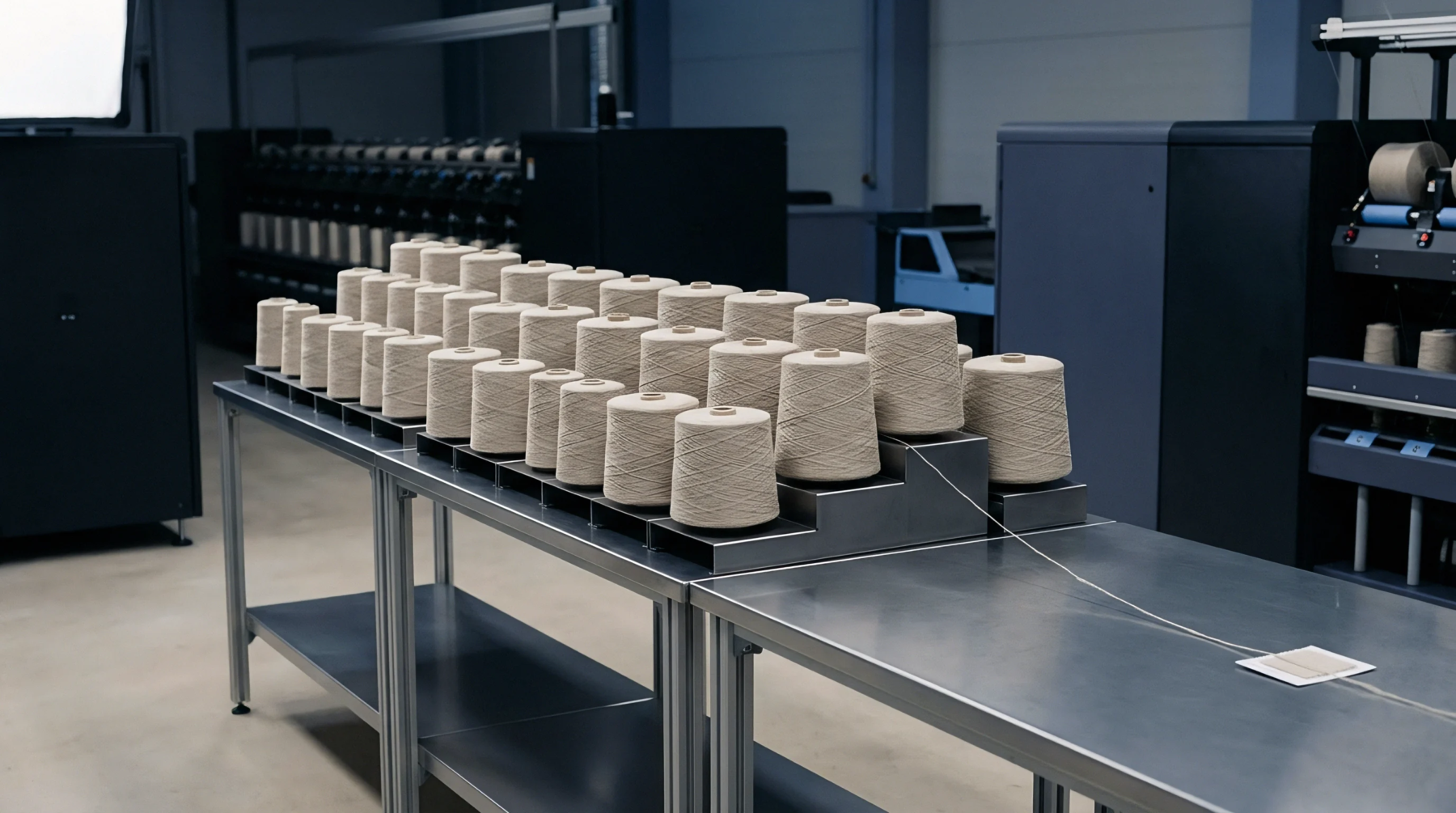
Predicting plain weave jamming limits prevents fabric distortion and secures dimensional stability across caustic mercerizing, dyeing, and wash finishing.

Warp and weft crimp exchange in high-density weaving shifts structural waviness across processing, dictating finished sett, shrinkage, and air permeability.

Derive loom reed width by compounding greige take-up and wet finishing contraction percentages onto target cuttable width while balancing dent air space ratios.
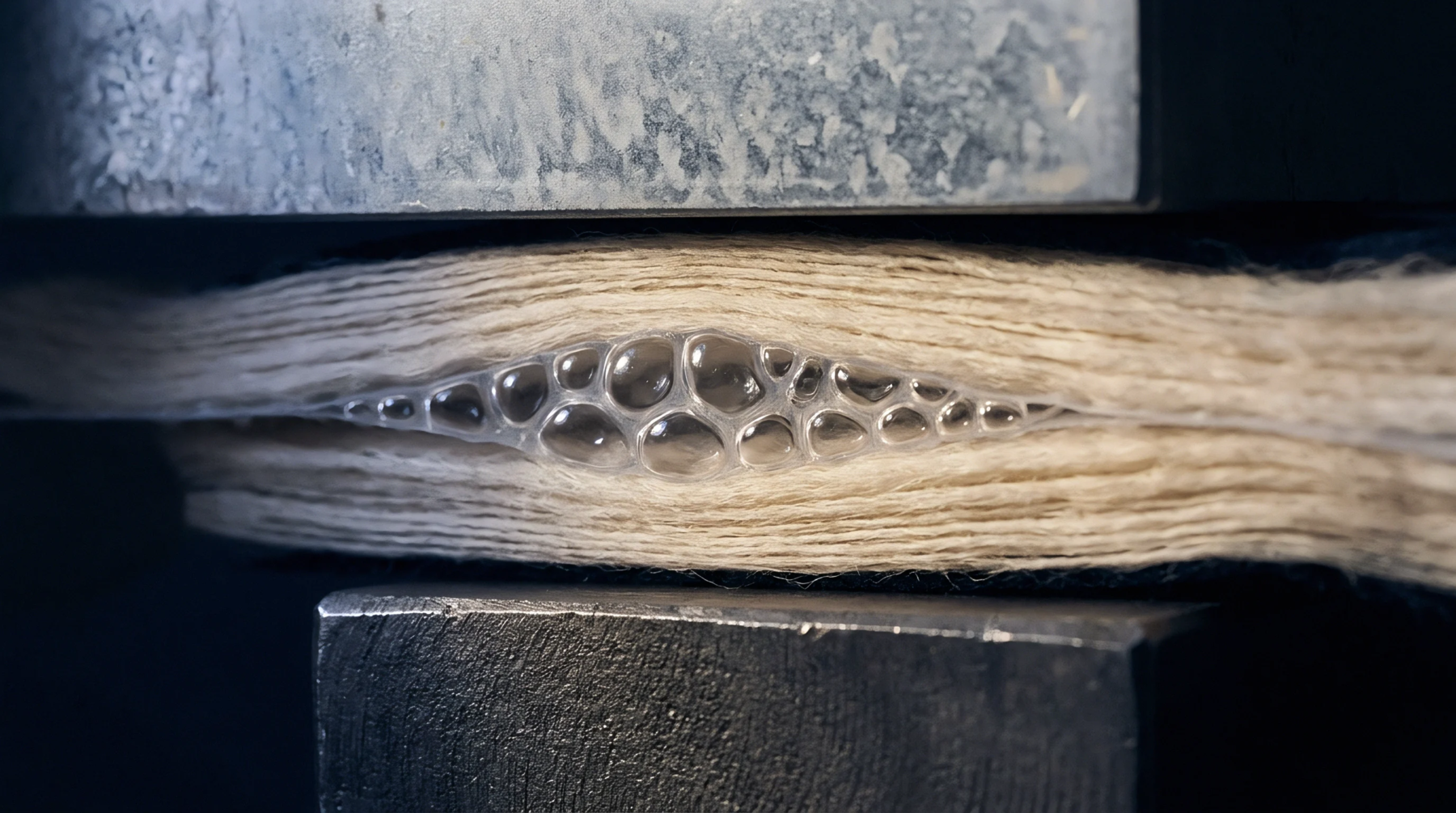
Biaxial thermal stenter extension alters yarn crimp balance through coupled viscoelastic relaxation and Peirce geometry shifts, dictating final fabric dimensional stability.

Continuous stenter overfeed forces must balance longitudinal yarn buckling thresholds against friction to set finished course density without cloth corrugation.
Symmetric nozzle velocity between 18 and 22 m/s during intermediate drying prevents dye migration and maintains shade uniformity in polyester cotton blends.
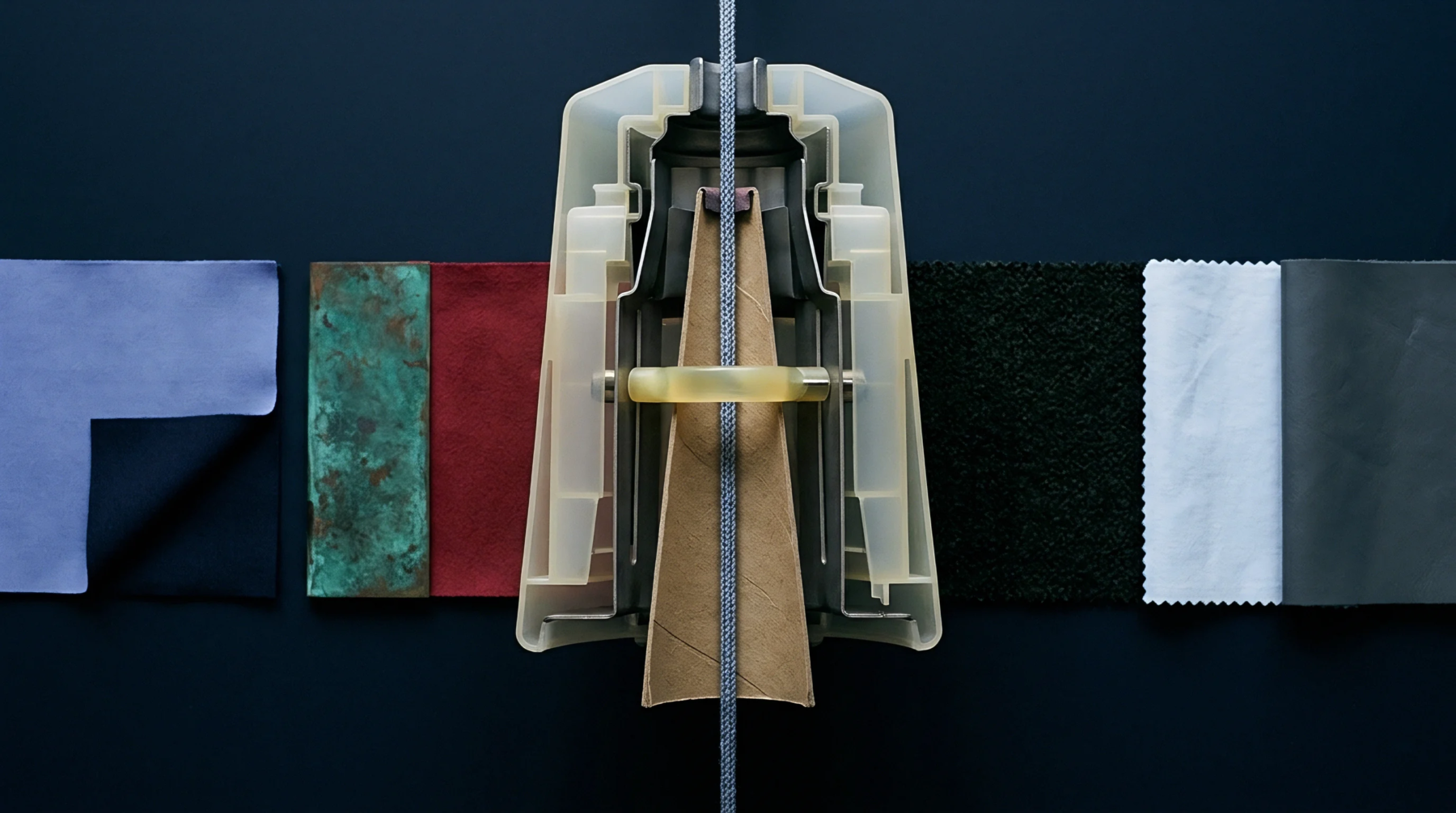
Thermal setting over 190°C and jet nozzle pressures above 0.30 MPa degrade polyurethane cores, causing permanent set and elasticity loss in synthetic knits.
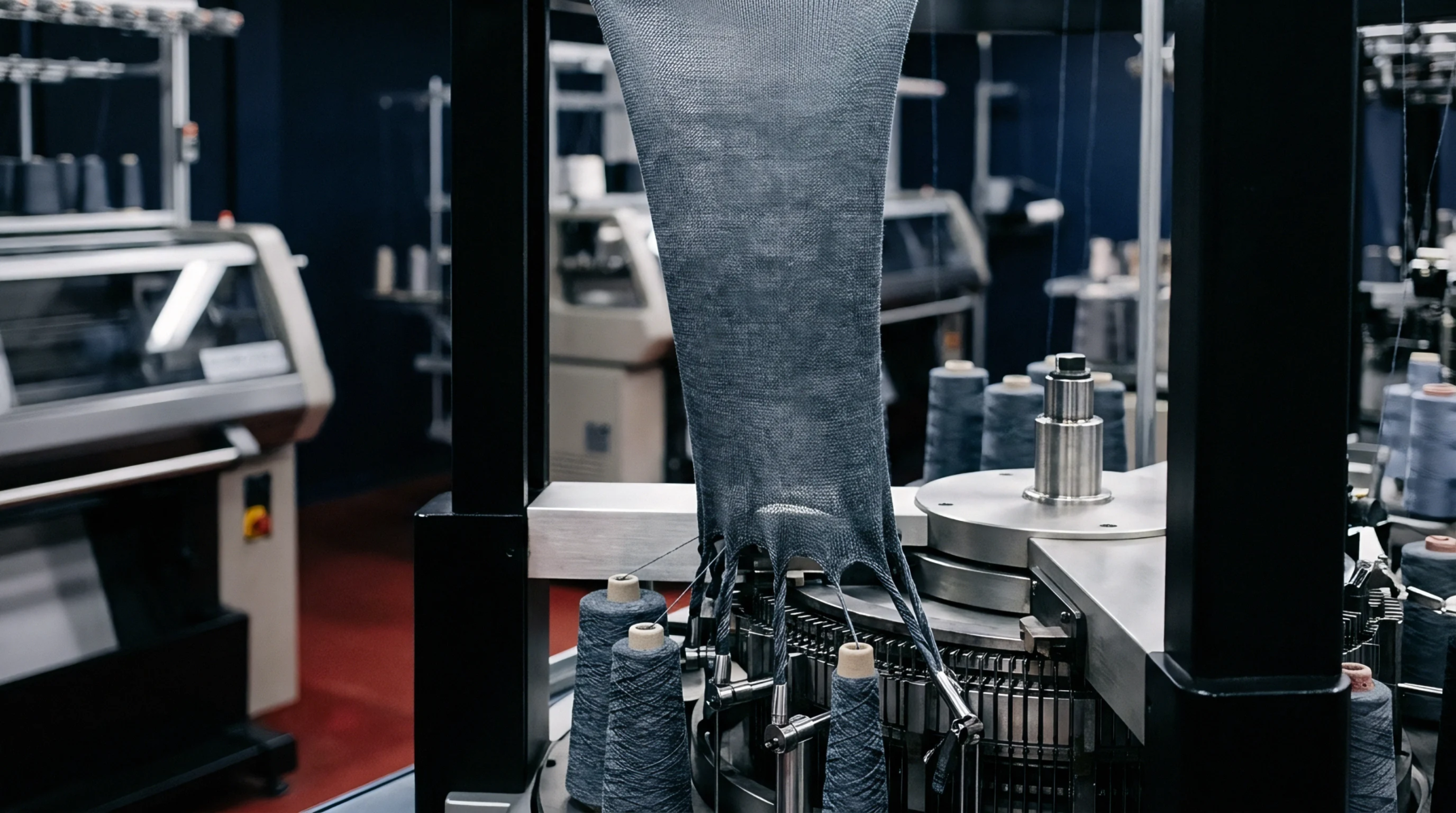
Matching knitting machine gauge to yarn linear density fixes loop tightness factor, setting the upper limit for aqueous dimensional contraction during wet finishing.

Declining repeat volume forces shifts from continuous to exhaust routes, driving up unit setup waste, expanding liquor ratios, and requiring wider shade tolerances.
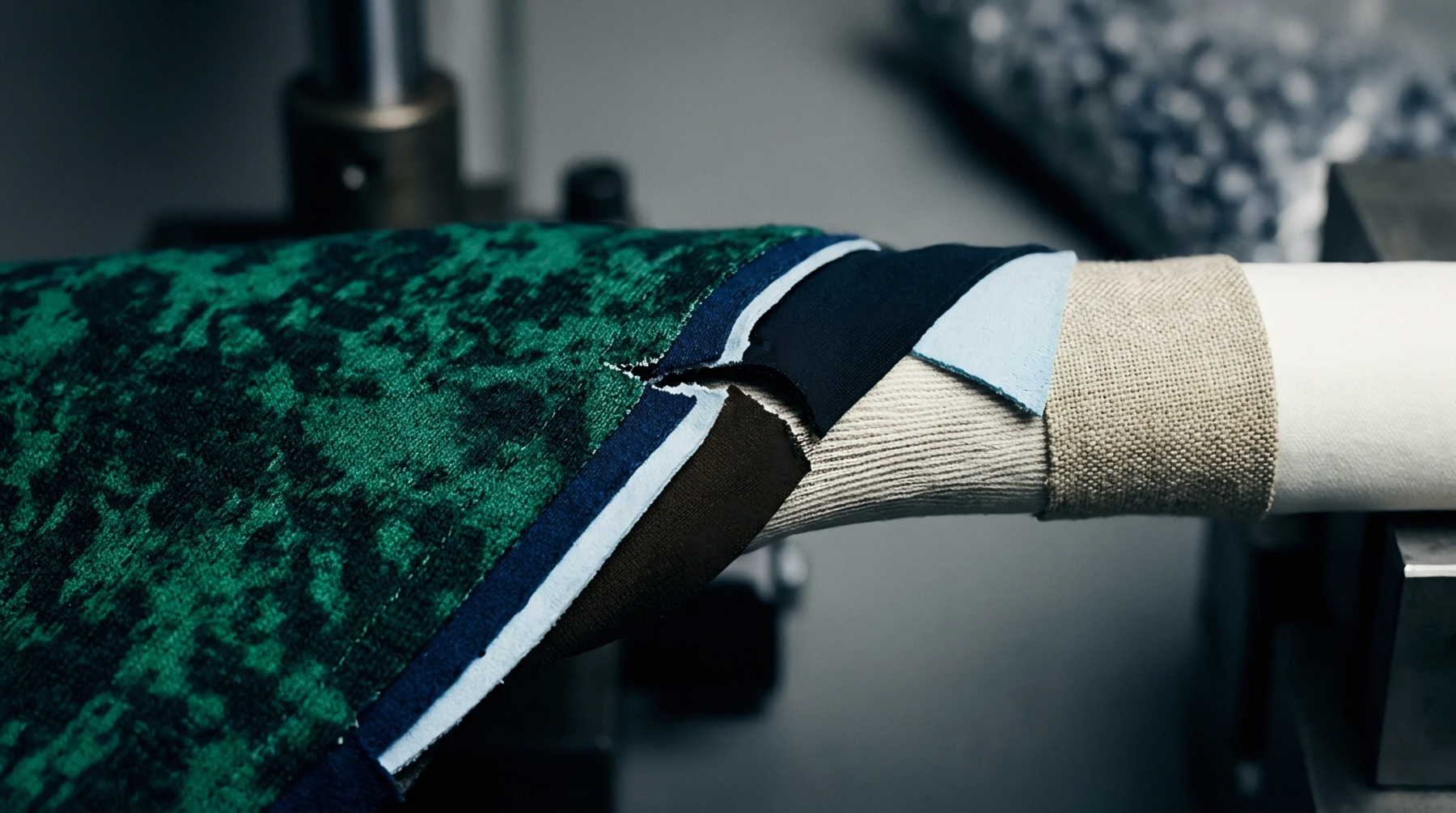
Calibrate stenter line speed to effective core dwell time above 190°C rather than total chamber residence to prevent spandex degradation and knit shrinkage.

Warp and weft crimp exchange during wet finishing balances longitudinal overfeed and lateral rail draft to set fabric weight and arrest post-wash shrinkage.

Dimensional and cover loss disputes require binding retain-swatch testing under ISO 5077 to isolate mill finishing strain from spreading room tension.
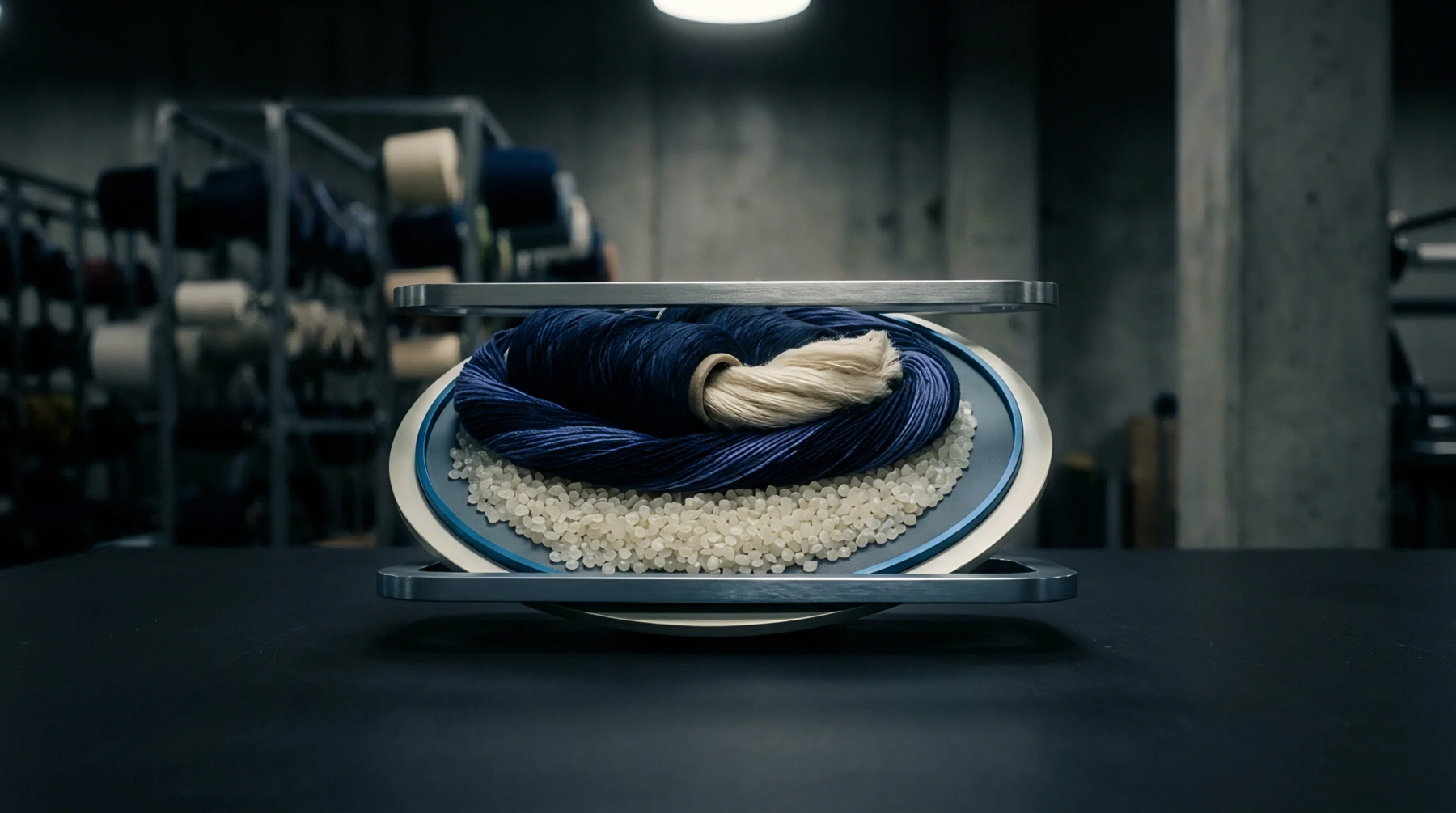
Determining required loom reed width requires converting unraveled weft yarn takeoff data into take-up fractions and adding wet processing shrinkage allowances.

Geometrical modeling of crimp interchange predicts width collapse during wet finishing by balancing yarn swelling against mechanical jamming boundaries.

Fabric specifications mandate exact finished thread densities, stitch lengths, and test conditions to enforce supplier compliance and control landed costs.
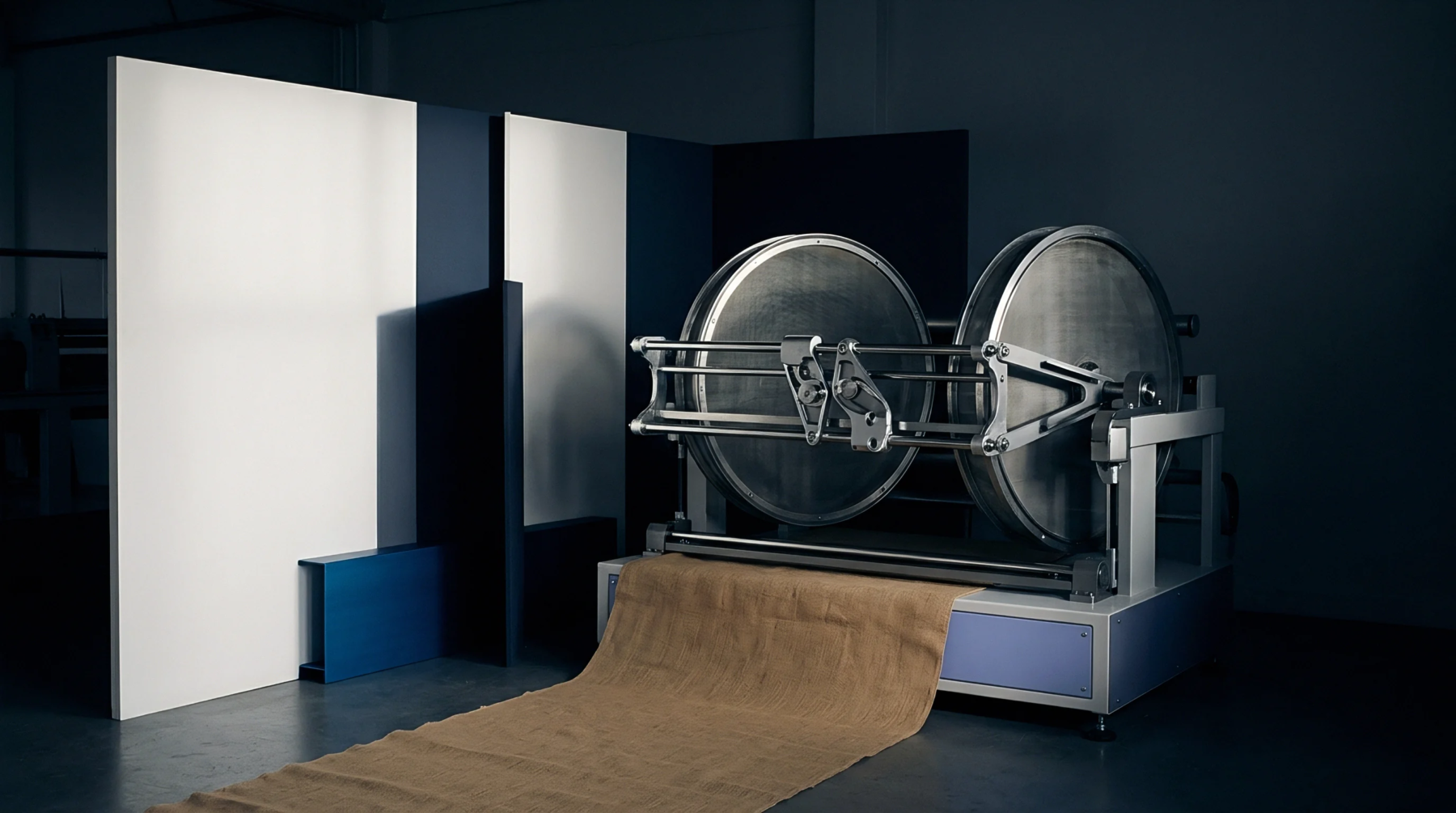
Mathematical overfeed modeling balances longitudinal compressive force against thermal viscoelastic relaxation to lock target crimp geometry and control finished GSM.

Wet finishing contraction alters fabric mass per square metre and relative fiber weight fractions, driving tariff classification drift and landed cost escalation.
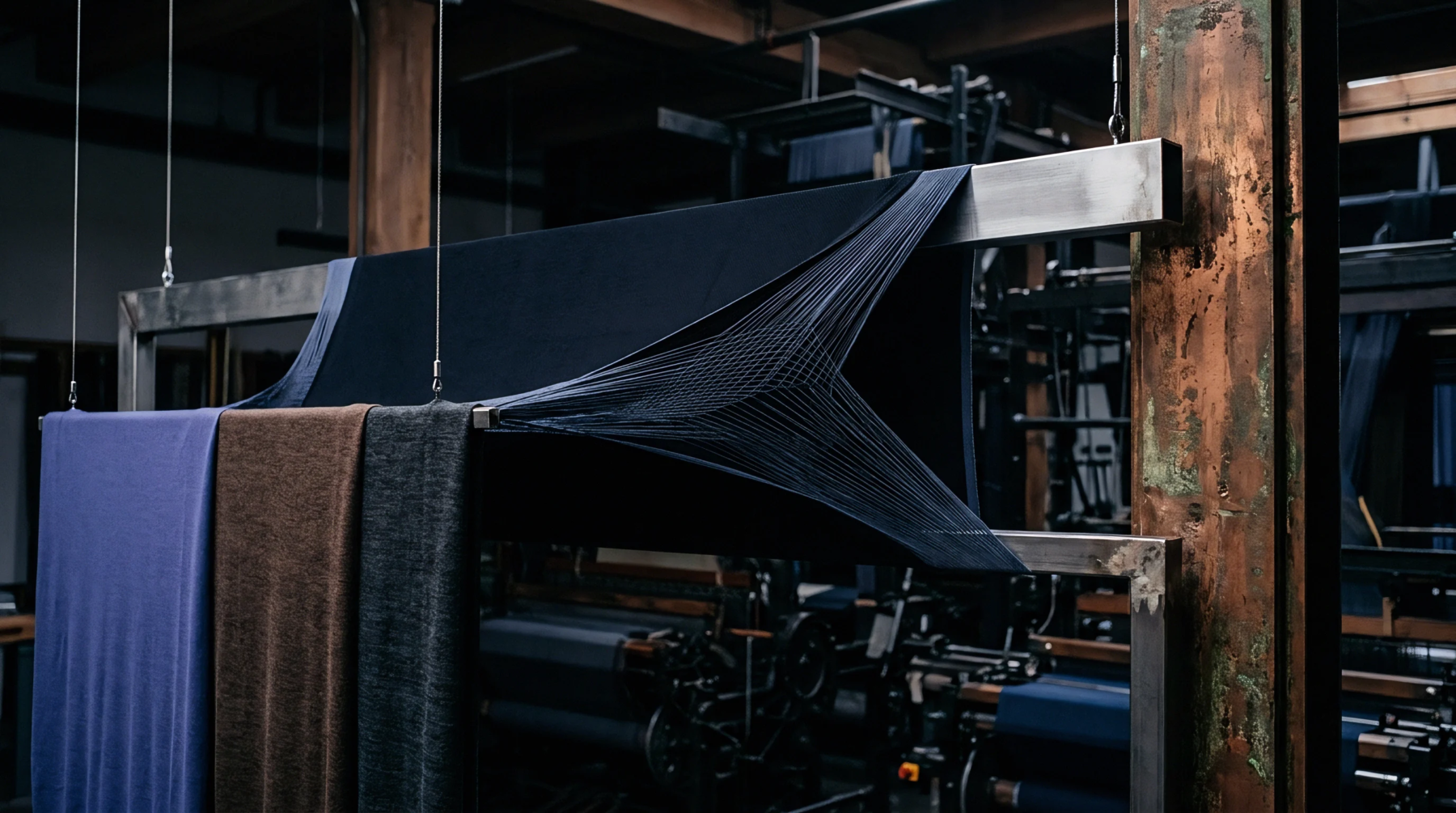
Calculating correct loom reed width requires combining off-loom grey contraction, finished warp sett, and weft crimp percentage into one unified formula.
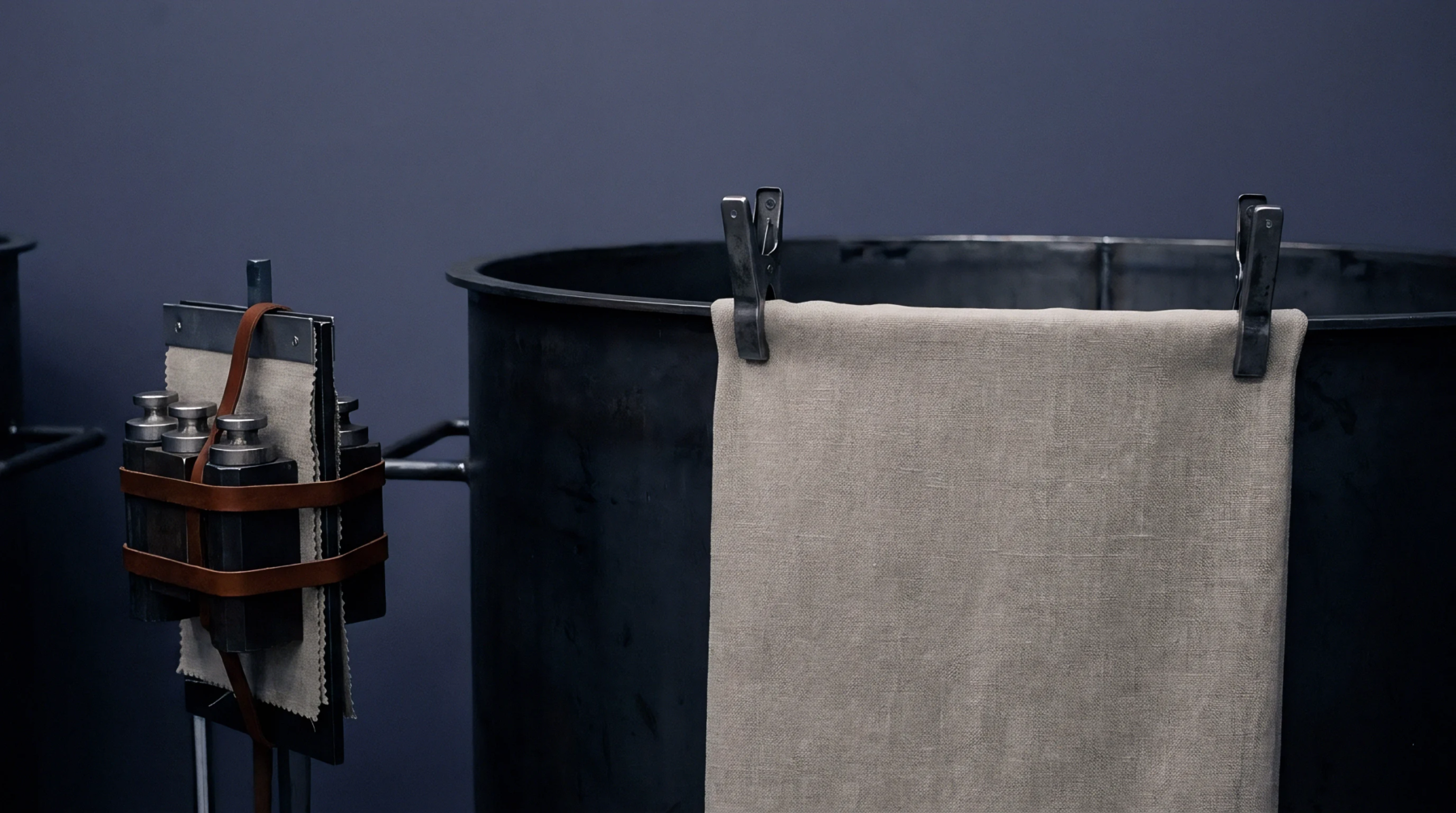
Reconciling master greige orders across multi-tube jet vessels requires matching greige linear mass to individual tube capacities while maintaining fixed liquor ratios across all operational runs.
Correlating loom sett and machine gauge to wet shrinkage requires matching grey thread density and stitch length to wet relaxation limits before finishing.

Fabric performance depends on greige interlacing geometry, wet processing relaxation, and multi-mill supply chain lead times.

Aligning woven greige warp minimums with dyehouse vessel capacities requires calculating dry mass yields and vessel fill limits to prevent shade variation.

Cold pad-batch dyeing prevents crease marks and cuts energy costs on heavy cotton twill, whereas jet dyeing risks surface friction damage in dark shades.
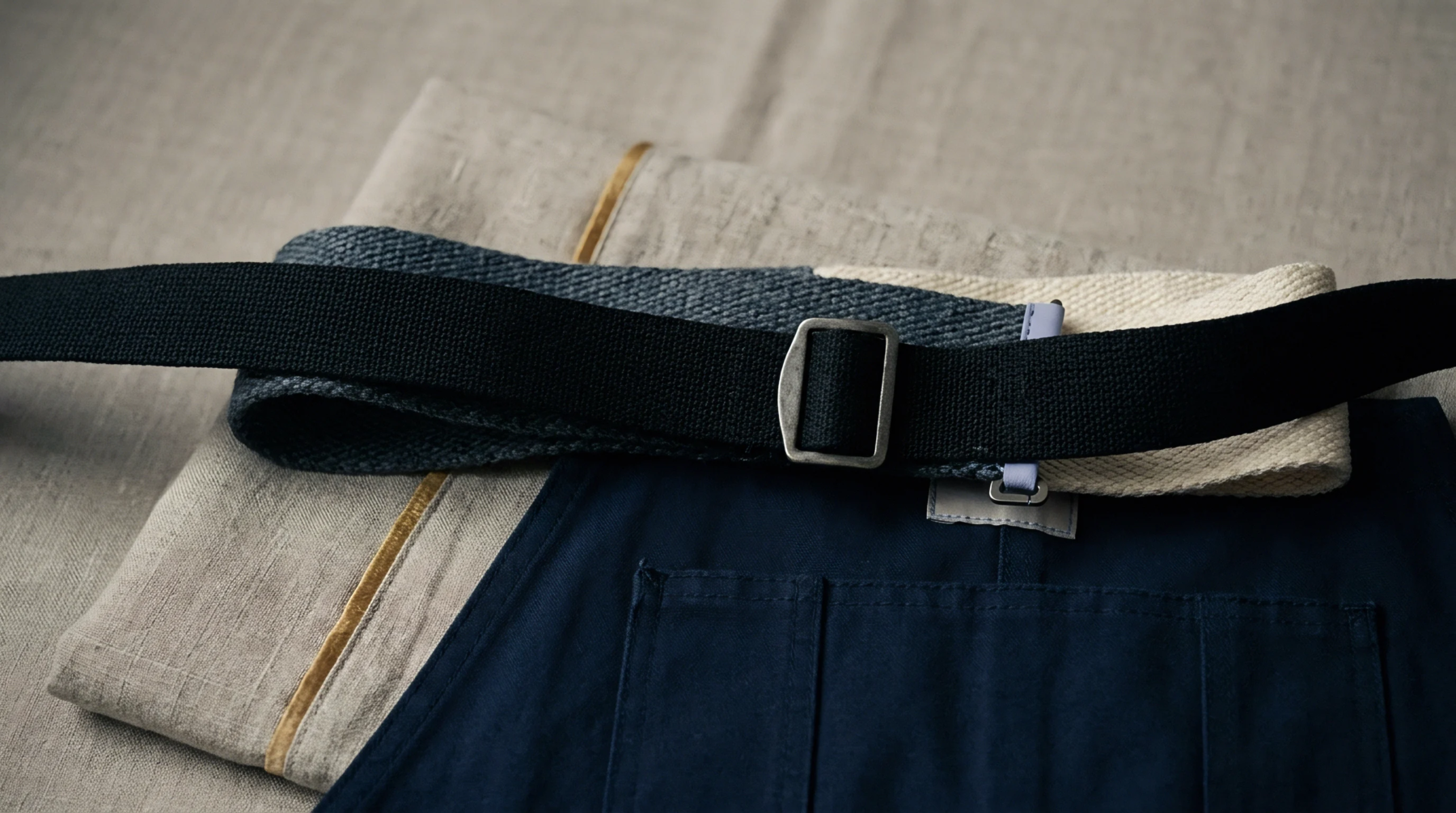
65/35 poly-cotton workwear performance relies on ring twist multipliers near 4.4 and early shed timing to maximize warp cover factor without pilling failure.

Standard one cycle wash tests hide progressive shrinkage; verifying dimensional stability requires multi cycle laundering data and mill finishing tension audits.
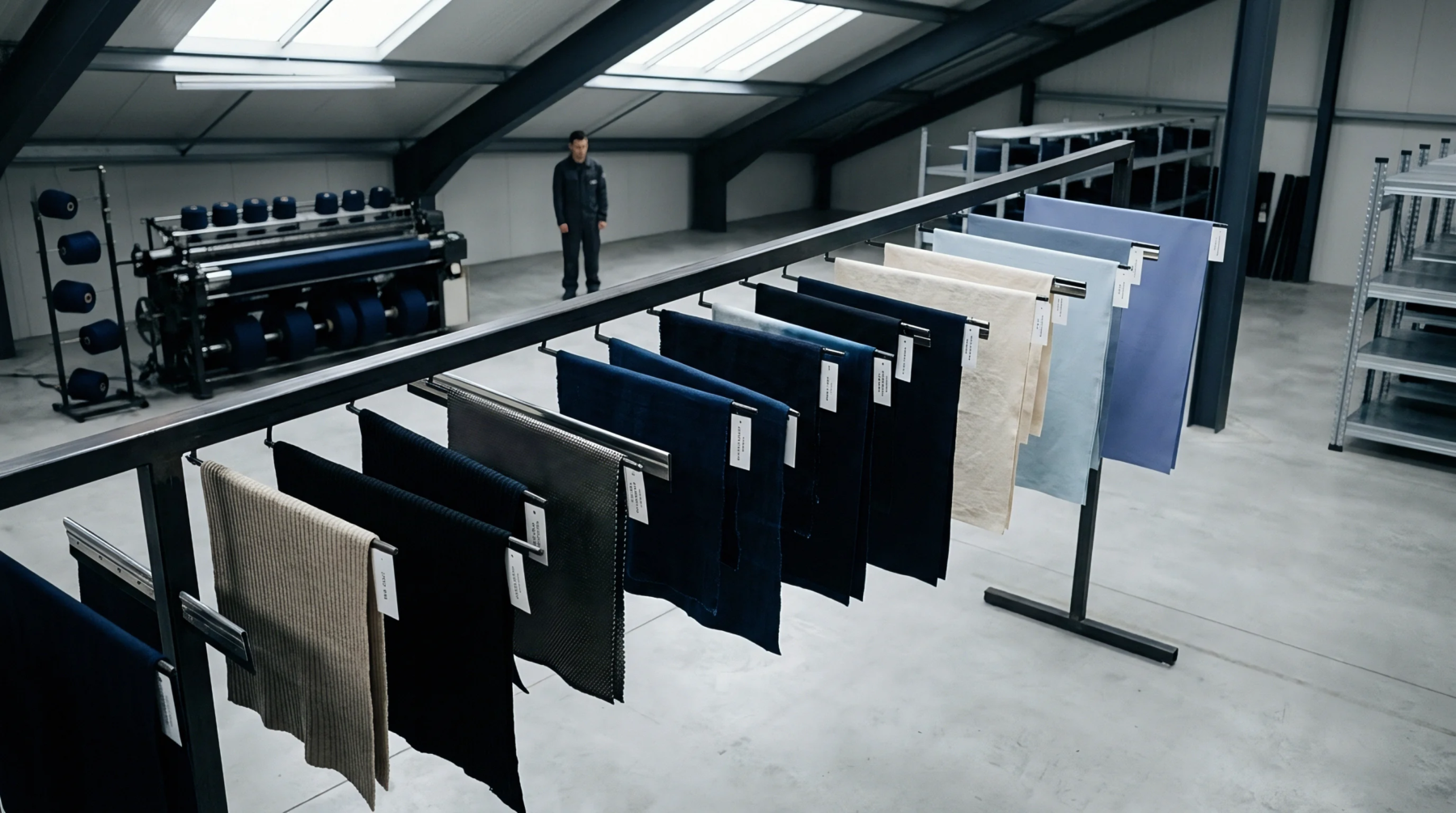
Fabric weight tolerance written as a mill range holds commercial validity only when tested under ISO 139 standard atmosphere using ISO 3801 methods.
Expertise is a utility, not a secret. sentiention™ publishes its working knowledge as open reference: intelligence layer covering the materials it sources, the markets it enters, and the reference that serves both.