Fabric Structure
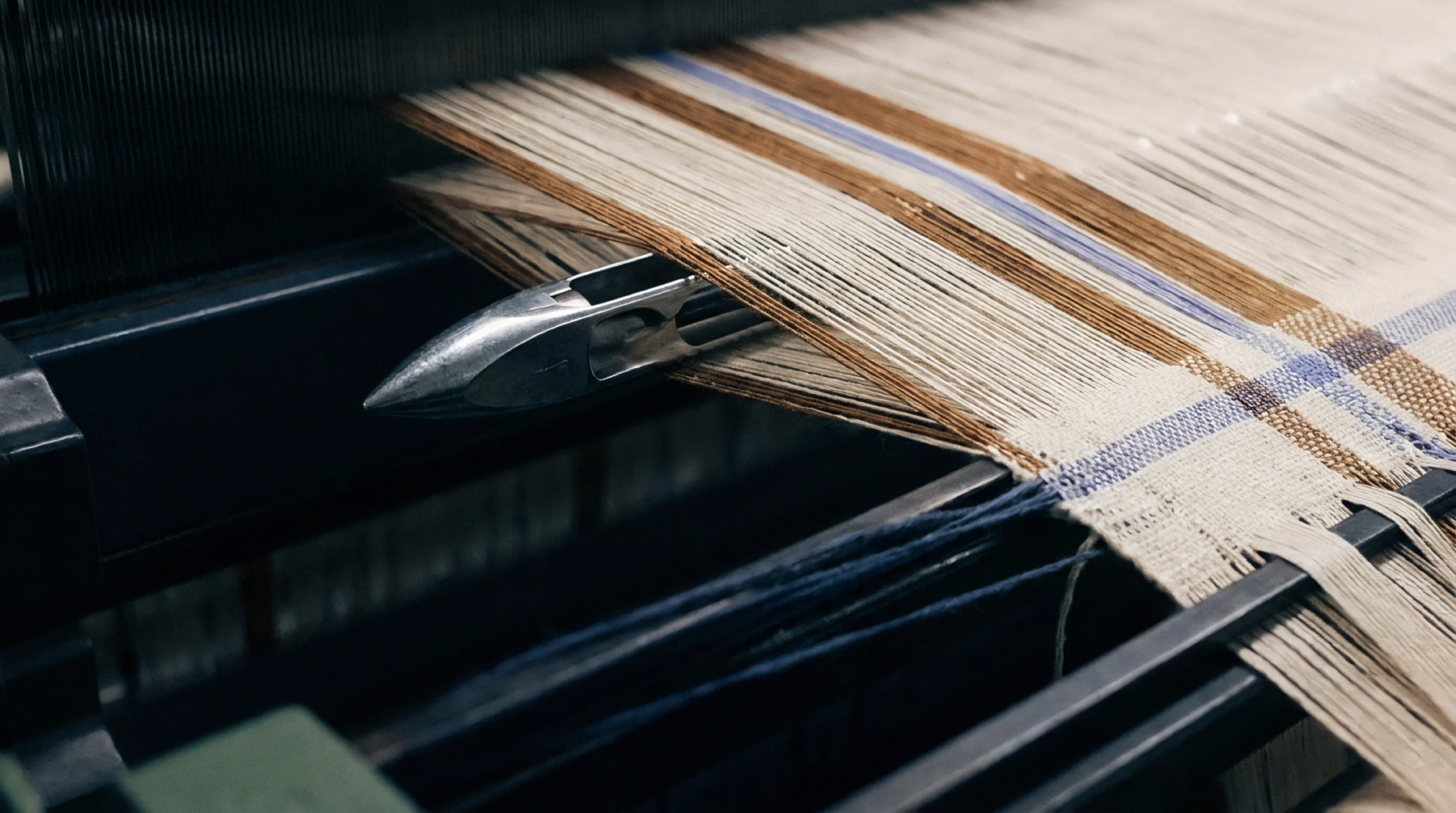
Geometric measure of the waviness of warp yarns caused by their interlacing with weft yarns in a woven fabric determines the elasticity and strength of the material. This structural metric is the warp crimp percentage, which expresses the difference between the straightened yarn length and the length of the fabric it occupies.
Yarn Consumption
Calculating the amount of yarn required to weave a specific length of fabric relies on the crimp values of both the warp and weft systems. A high warp crimp percentage means that a significantly longer length of warp yarn is needed to produce a meter of fabric on the loom. The crimp is influenced by the yarn thickness, the pick density, and the tension settings on the loom beam.
Technicians must measure this value accurately to avoid running out of yarn before the warp beam is completely woven, preventing costly production delays.
Mechanical Testing
Standard testing involves removing a warp yarn from a fabric sample of known length and stretching it under a specified tension to measure its straight length. The warp crimp percentage is calculated by dividing the length difference by the fabric length and multiplying by one hundred.
Production Planning
Weavers use this value to calculate the weight of yarn needed for a production order and to adjust loom tension. Proper crimp control ensures that the finished fabric meets density and thickness specifications.