
Establishing Chemical Compliance Verification Frameworks for Recurrent Fabric Orders
Recurrent fabric compliance demands batch-level analytical testing, scope-matched transaction certificates, and mill auxiliary chemical audit controls.

Recurrent fabric compliance demands batch-level analytical testing, scope-matched transaction certificates, and mill auxiliary chemical audit controls.

Commercial cotton weight relies on standard moisture regain adjustments, calculating dry mass through oven drying to settle invoices accurately on net dry fibre.

Polymer crosslinks in cellulosic fabric wet processing degrade via acid-catalyzed glycosidic cleavage during high-temp baking and wet post-reprocessing cycles.

Standardizing thermal history via annealing before acid dissolution eliminates rPET crystallinity variance, securing exact chemical separation accuracy.

Commercial moisture allowances in binary synthetic mixtures weight statutory polymer regains against clean dry mass fractions to establish legal invoice weights.

Finishing overfeed and widthwise stenter tension dynamically shift finished warp ends per inch, defining final fabric mass and commercial acceptance thresholds.

Cover factor analysis requires direct conversion to Tex linear density and adjustment for fiber packing density before computing fractional surface area.

Resolving total organic fluorine discrepancies requires washing inorganic fluorides and isolating organofluorine dyes before running combustion chromatography.

Textile moisture determination requires gravimetric oven drying at 105°C or Karl Fischer titration to calculate commercial weight and prevent invoice mass errors.

Combing combed sliver past critical migration limits triggers tensile decay by reducing radial fiber migration and core friction inside the rotor groove.

Warp cover factor quantifies yarn area coverage using thread density and yarn diameter equations to control fabric porosity, mechanical strength, and production speed.

Validating transaction certificates demands digital QR verification, line-item invoice reconciliation, and mass-balance accounting prior to customs entry.
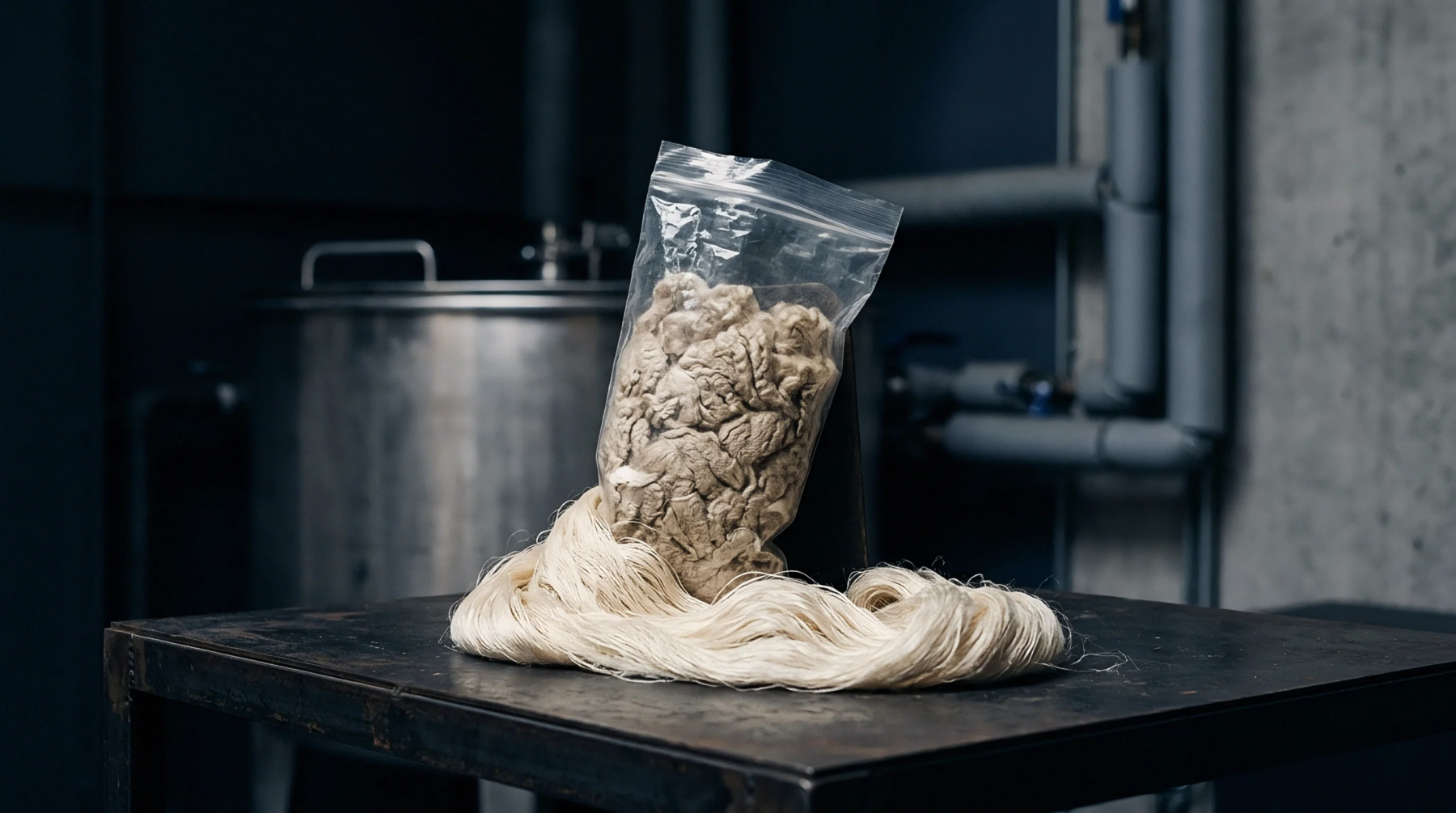
Combed rotor yarn tenacity drops 0.35 cN/tex per 1% short fiber increase, requiring combed sliver SFC by weight below 8.0% for Ne 30 strength targets.
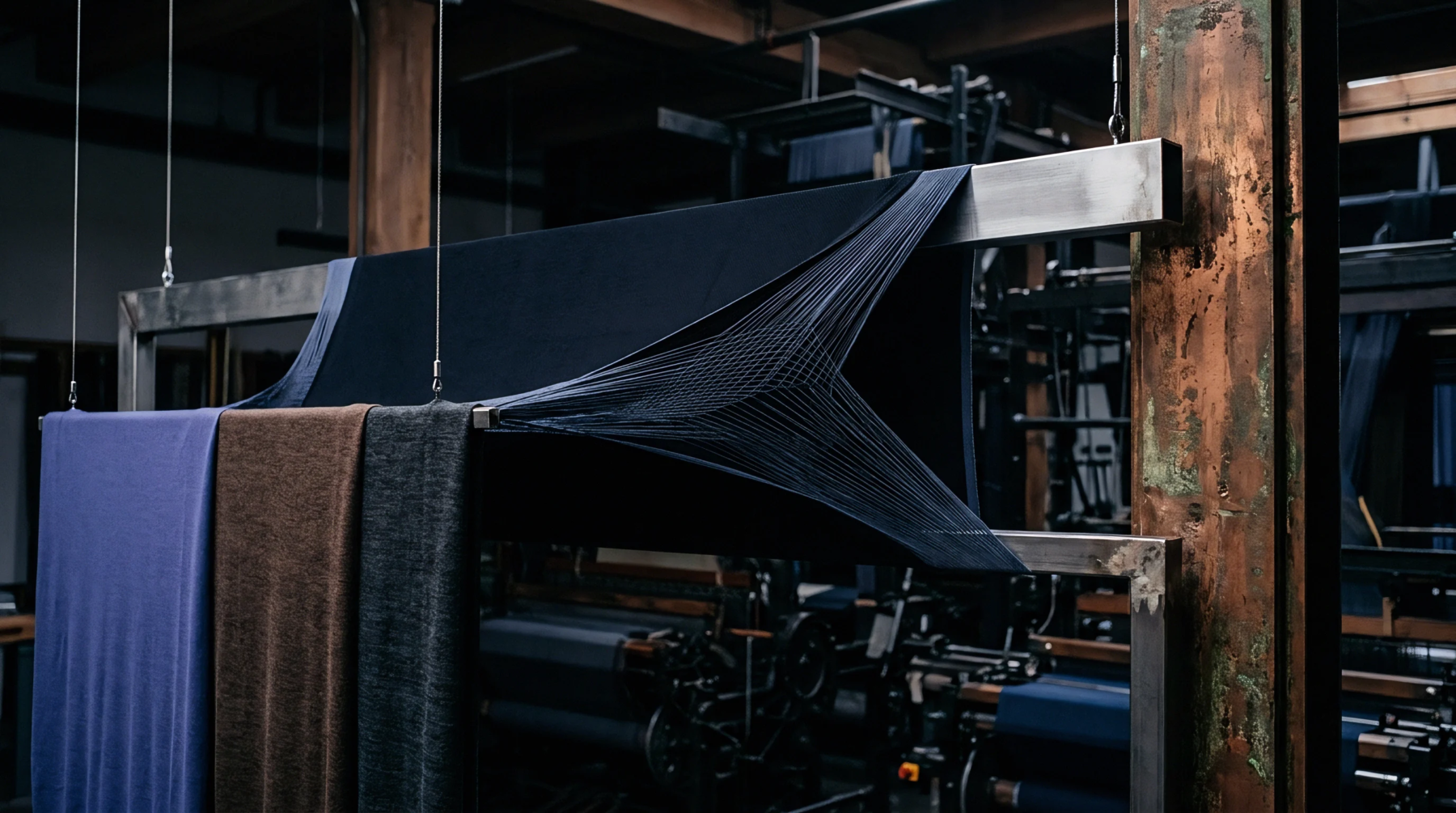
Loom warp tension, crimp interchange, and stenter overfeed directly govern finished fabric mass and dimensional yield stability across production runs.

Cuttable width excludes defective margins, converting linear metres directly to true usable area and determining actionable garment output per bulk lot.

Global textile clearance mandates matching chemical laboratory extraction limits to batch-specific transaction certificates before containers arrive at border entry.

Subcontracted dyehouse failures create direct financial liabilities through unverified chemical additions, requiring strict retest protocols and PO cost allocation.
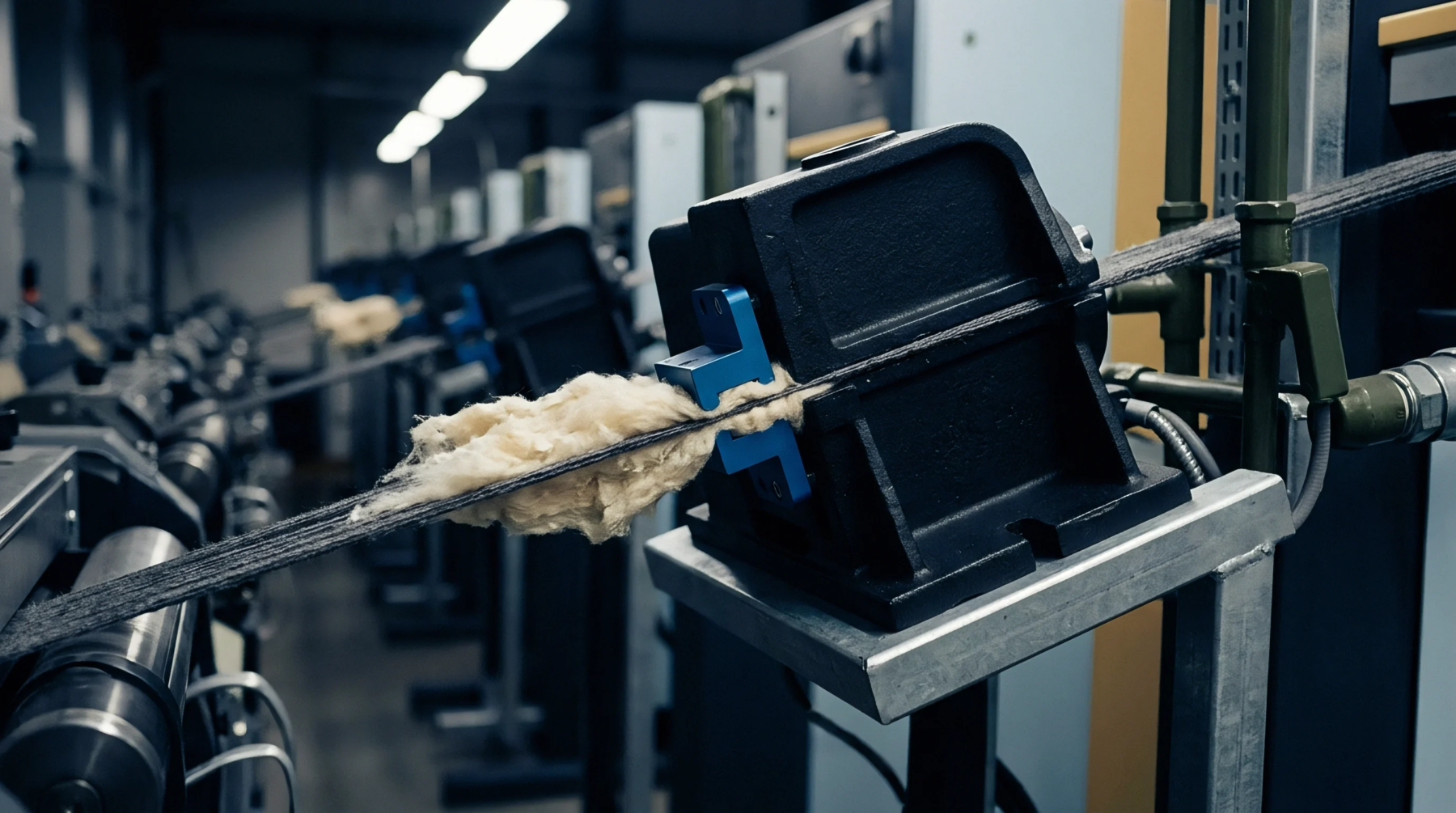
Exceeding twelve percent short fiber content by number in combed cotton sliver accelerates rotor accumulation, increases wrapper fibers, and drops yarn tenacity.

Specify conditioned mass under ISO 3801 and minimum cuttable width excluding selvedges to lock in garment yield and protect unit production economics.

Single fiber length skewness dictates carded ring spun tenacity by governing floating fiber drafting waves and ineffective stress transfer lengths.

Stabilizing hard segment crystallization via controlled thermal quenching and stenter dwell times eliminates elastomeric creep and width variation in stretch goods.

Tight card cylinder gauges and high licker-in speeds increase fiber breakage, elevating short fiber content by up to four percent and reducing yarn tenacity.

Mass balance verification in cross-border organic cotton requires reconciling raw lint transaction certificates, spinning waste loss, and customs origin proofs.

HVI span metrics quantify cotton length through optical beard scanning, where 2.5 percent span length dictates drafting gauges and uniformity governs noil extraction.

Dynamic replenishment dosing calibrated to dyestuff substantive affinity factors eliminates longitudinal tailing across high-speed continuous pad dye lines.
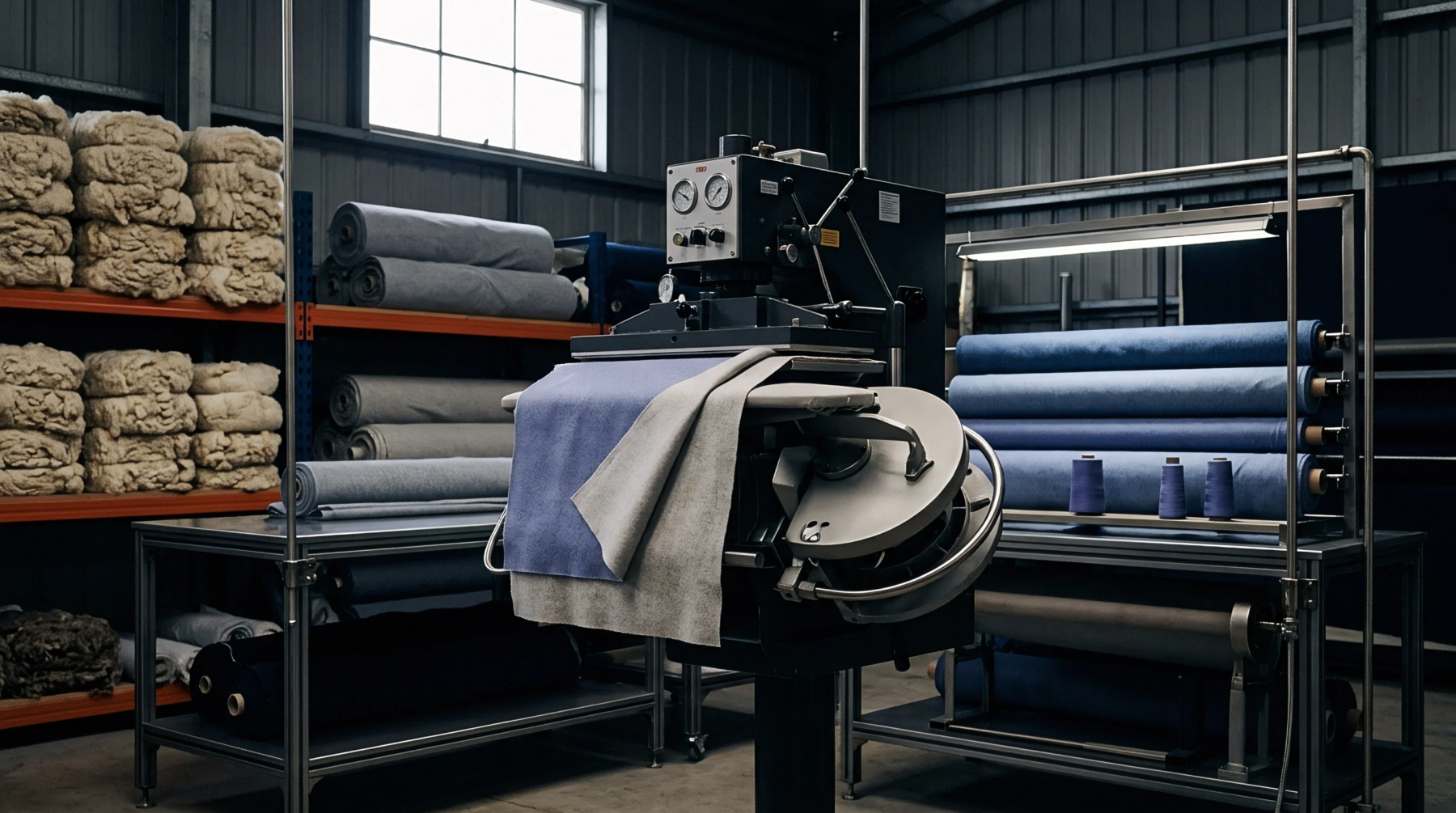
Controlled stenter dwell at 185-195°C stabilizes polyurethane hard segments to minimize viscoelastic force decay and garment bagging in stretch wovens.

Uneven roller pressure and lateral thermal migration create severe chemical disparities across roll width, causing localized compliance failures.

Non-enzymatic deamidation during digestion distorts peptide ratios in historic animal fiber analysis, requiring kinetic rate corrections for species accuracy.

Air jet core-spun yarns deliver torque-free, pill-resistant elastic wovens by locking polyurethane filaments inside parallel staple cores bound by vortex wrappers.

Correcting isobaric peptide mass shifts in proteomic fibre testing prevents false wool detections and protects cashmere customs declarations from penalties.
Expertise is a utility, not a secret. sentiention™ publishes its working knowledge as open reference: intelligence layer covering the materials it sources, the markets it enters, and the reference that serves both.